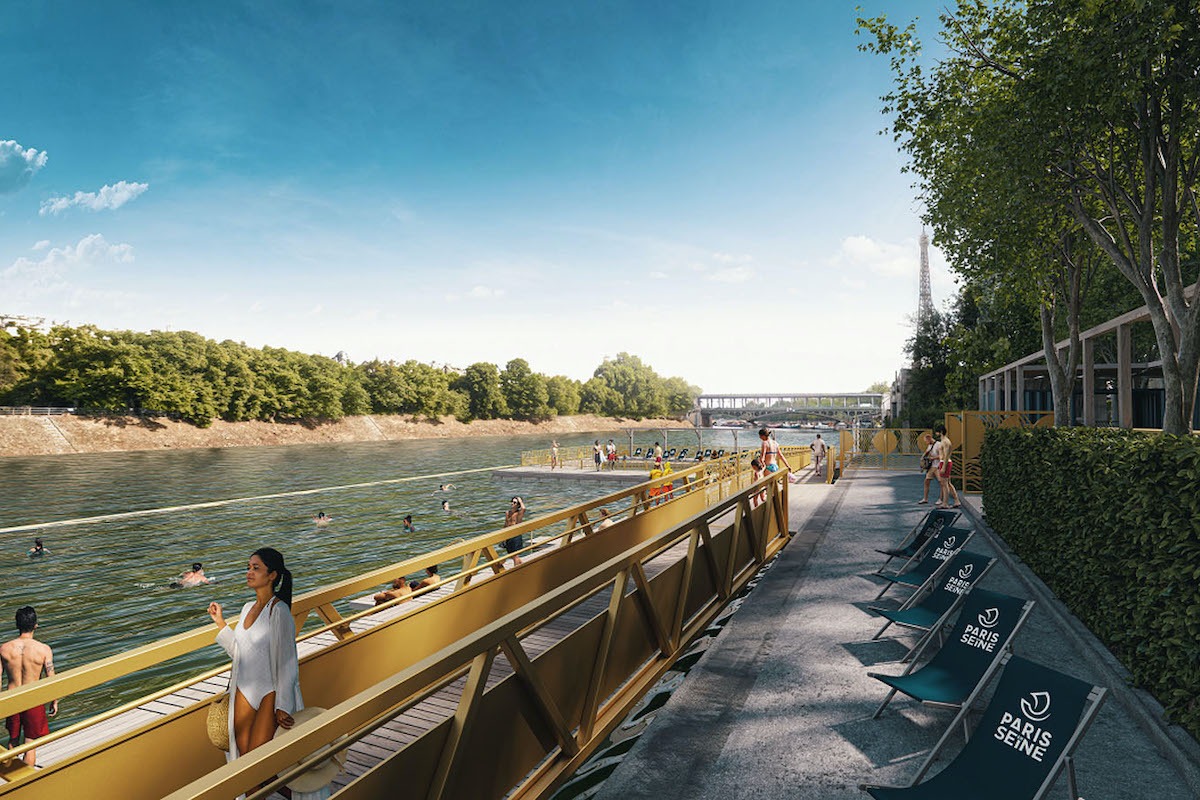
Swimming in the River Seine is set to return in Paris this summer, more than a century after it was banned, after the city approved three supervised bathing sites along the waterway.
The move comes after a major clean-up project linked to the 2024 Olympic Games, which included work to improve water quality and reduce sewage entering the river. Officials say the reopening is intended to give residents and visitors a new way to use one of the French capital’s best-known landmarks.
The three sites are expected to open in designated areas with safety measures and lifeguard supervision. The project marks the most significant step yet in efforts to make parts of the Seine safe for public swimming again.
For Parisians, the return of swimming to the river carries both practical and symbolic importance. The Seine has long been central to the city’s identity, but for generations it has remained off limits to bathers because of pollution and safety concerns.
The ban on swimming in the Seine dates back to 1923, when authorities prohibited public bathing in the river. The new scheme effectively reverses that restriction in selected places, although swimming will remain tightly controlled and limited to approved zones.
City officials have framed the plan as part of a wider effort to leave a lasting legacy from the Olympics. Paris spent years preparing the river for the Games, with environmental work aimed at improving bathing conditions and supporting future public use.
The reopening is also likely to attract tourists looking for seasonal activities beyond the city’s museums and monuments. The Seine runs through the heart of Paris and is one of its most recognisable features, but access to the water itself has traditionally been limited.
Even with the new bathing areas, the city is expected to keep a close watch on water quality. River conditions can change quickly after heavy rain, and officials have in the past warned that safety will depend on ongoing monitoring and weather conditions.
The project reflects a broader European trend of bringing urban waterways back into public life. From river bathing to waterfront regeneration, cities across the continent have increasingly invested in cleaner, more usable rivers and canals.
In Paris, however, the return of swimming in the Seine is especially striking because of the river’s history. What was once banned for health reasons is now being presented as a public amenity, but only within carefully managed limits.
That balance between access and control is likely to define how the scheme develops over the summer. If the sites prove popular and safe, the city could build on them in future years as part of its long-term river restoration plans.