One of Paris’s most controversial landmarks, Montparnasse Tower, is set to close for a big reconstruction that will reshape both its appearance and purpose.
The 210-metre skyscraper, the only high-rise in the historic centre of Paris, will undergo a complete transformation expected to last at least four years, with reopening planned around 2030.
A divisive symbol of modern Paris
Since its completion in 1973, the tower has remained a subject of intense debate.
Many Parisians have long criticized the building’s dark, monolithic design, which sharply contrasts with the city’s traditionally low skyline, where most buildings rise no higher than seven storeys. The backlash was so strong that it led to strict limits on high-rise construction in central Paris.
Despite the criticism, the tower has also become an integral part of the city’s identity, standing as a reminder of a different architectural era.
A popular viewpoint despite criticism
Ironically, the tower’s greatest appeal lies in what visitors can see from it rather than the building itself.
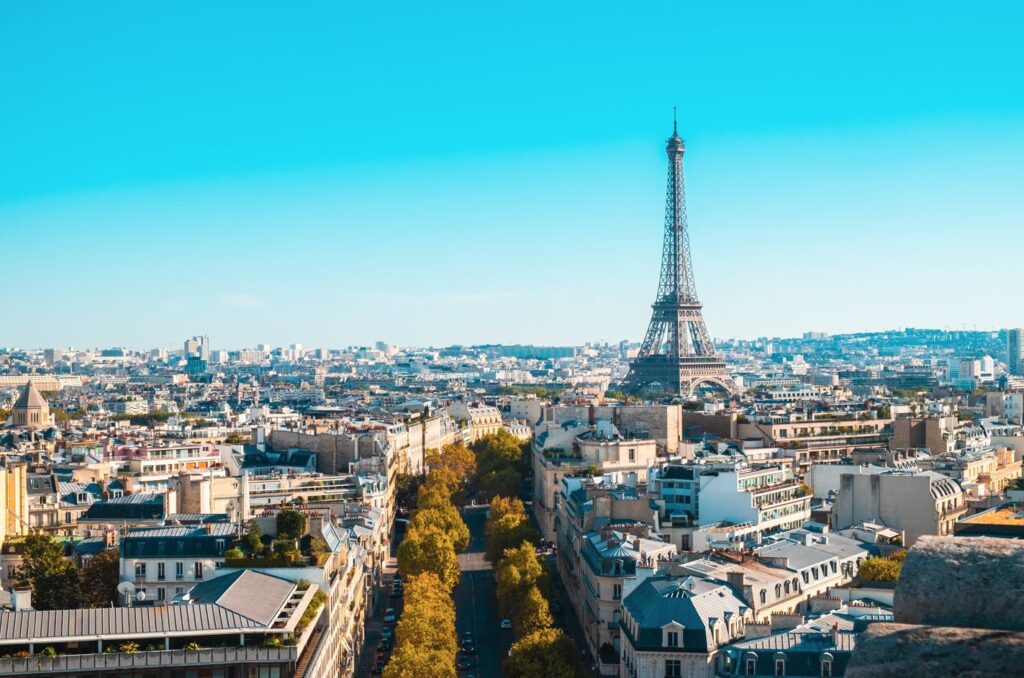
Its observation deck on the 56th floor has attracted more than 30 million visitors since opening, offering panoramic views stretching up to 40 kilometres on clear days.
From this vantage point, tourists can take in some of Paris’s most iconic landmarks, including the Eiffel Tower, Notre-Dame Cathedral and the Luxembourg Gardens.
From dark tower to transparent landmark
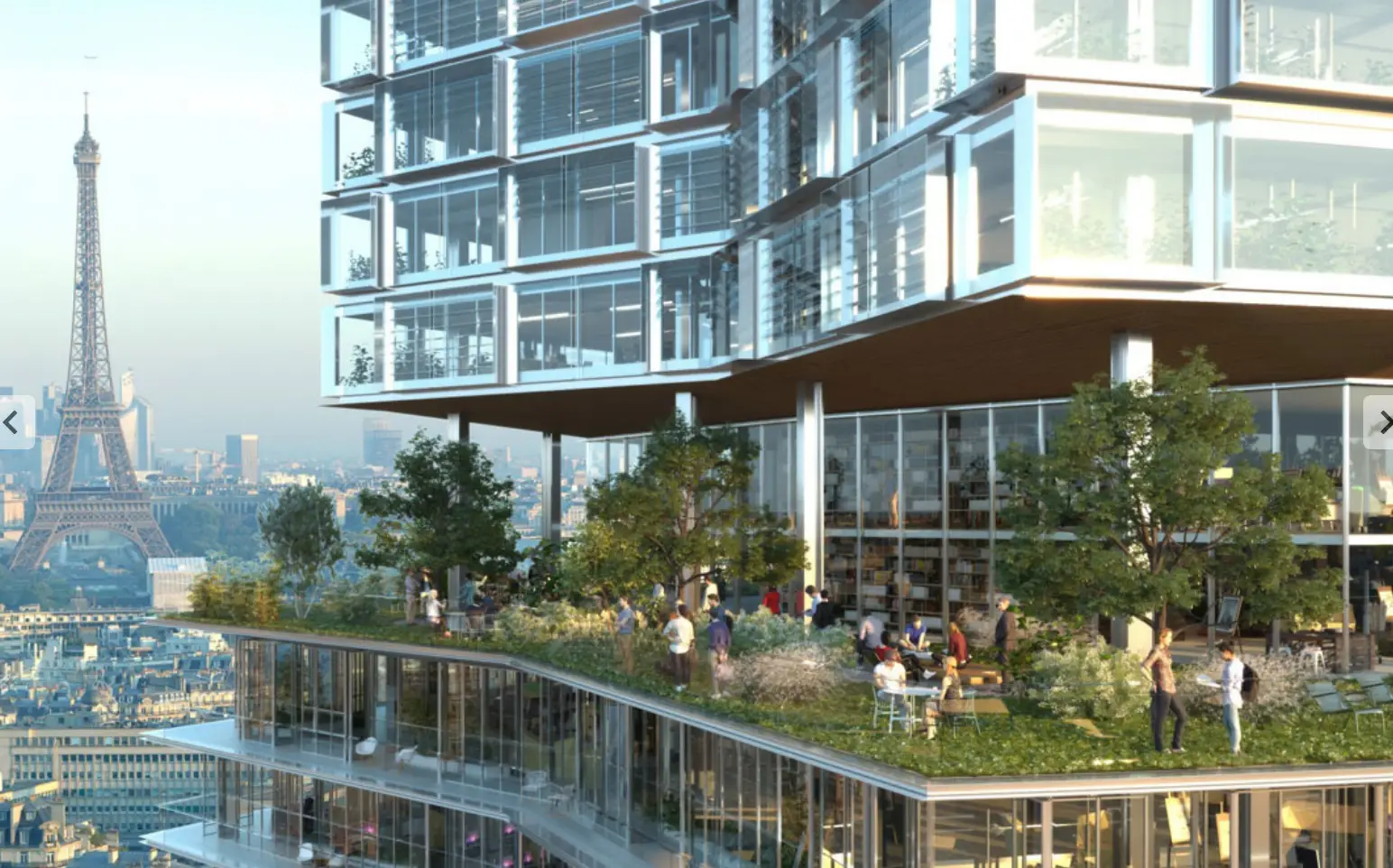
The upcoming renovation aims to completely redefine the building’s image.
Architects plan to replace the current dark façade with a lighter, transparent glass exterior, transforming the tower into a more open and visually integrated structure within the Paris skyline.
Inside, the function of the building will also change significantly. Office spaces will be reduced in favor of a mixed-use concept that includes a hotel, student housing and service-oriented businesses, reflecting evolving urban needs.
A rooftop designed for the future
One of the most ambitious elements of the project is the redesign of the rooftop.
Plans include the creation of an urban agricultural greenhouse, alongside solar panels and recreational spaces such as tennis and mini-football courts. The concept aims to combine sustainability with public use, turning the roof into a multifunctional urban space.
Reinventing a landmark for a new era
The transformation of Montparnasse Tower represents more than a renovation. It reflects a broader effort to reconcile modern architecture with Paris’s historic identity, while adapting to contemporary expectations around sustainability and mixed-use urban spaces.
For travelers, the closure means the temporary loss of one of the city’s most famous viewpoints. But when it reopens, the tower is expected to return not just as a redesigned building, but as a reimagined landmark for the next generation of Paris.
Image: arquitecturaviva.com