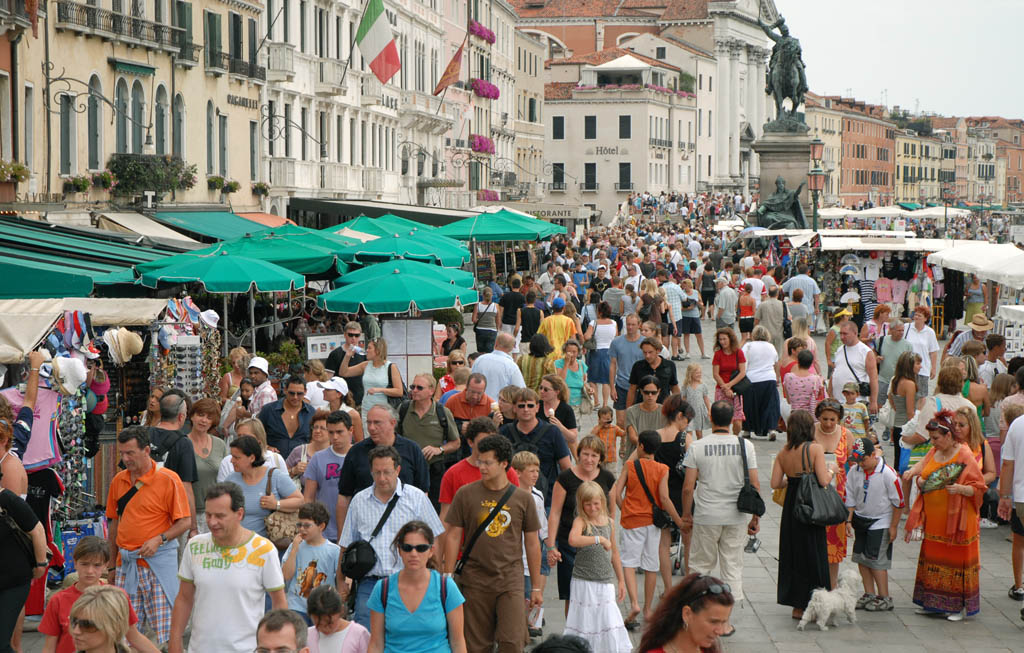
Copenhagen is facing fresh pressure over overtourism as the Danish capital attracts more visitors, putting strain on streets, transport and popular neighbourhoods. The debate has sharpened as city leaders and tourism officials weigh how to keep the destination welcoming without damaging daily life for residents.
The issue reflects a wider challenge for many European cities that are seeing record visitor demand while trying to protect liveability. In Copenhagen, the question is not whether tourism is valuable, but how much growth the city can absorb before it begins to change the character that draws visitors in the first place.
Travel businesses, local authorities and residents are now being forced to confront a difficult balance: supporting the economic benefits of tourism while reducing crowding, noise and pressure on infrastructure. The discussion has become part of a broader conversation about sustainable tourism in one of Scandinavia’s best-known city breaks.
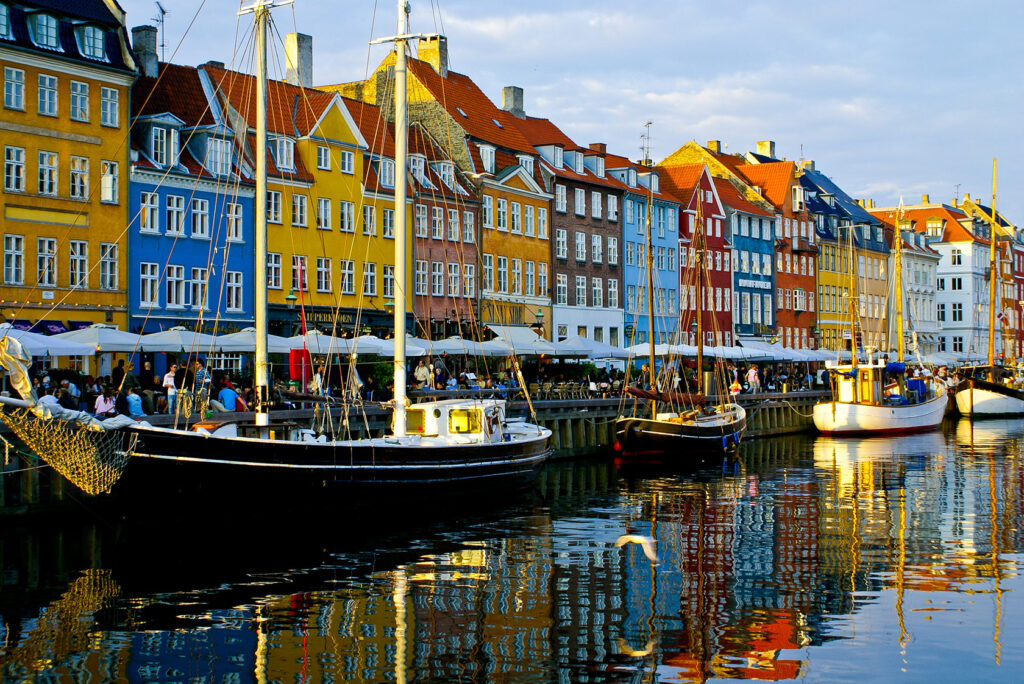
Overtourism has become a defining issue for popular destinations around the world, and Copenhagen is no exception. The city has long promoted itself as a compact, walkable and bicycle-friendly capital with a strong design culture, food scene and waterfront attractions. Those same qualities help draw large numbers of visitors, especially in peak seasons.
When tourism grows quickly, the effects are often felt first in the most visited districts. Public spaces can become busier, local services more stretched and housing pressure more acute if short-term stays compete with residential use. For many residents, the problem is not simply the number of tourists, but the way concentrated demand can reshape everyday life.
Copenhagen’s situation also reflects the changing nature of travel. Visitors increasingly look for city experiences that combine culture, food, sustainability and easy transport links. That trend can bring valuable spending to hotels, restaurants and museums, but it can also create bottlenecks in the places most promoted on social media and in travel guides.
Across Europe, city authorities have responded in different ways, from managing cruise arrivals and limiting short-term rentals to encouraging visitors to explore outside peak times or beyond the main centre. Copenhagen is likely to face similar choices if it wants to maintain its appeal while easing pressure on crowded areas.
The debate matters because tourism is central to the local economy. Hotels, attractions, retailers and restaurants depend on visitor spending, and any move to curb numbers can have economic consequences. But without action, cities risk undermining the very qualities that make them attractive in the first place.
For Copenhagen, the challenge is especially visible because the city markets itself as liveable as well as visitable. That means policies aimed at visitors are often judged not only by their effect on tourism, but also by whether they improve conditions for people who live and work there year-round.
The question now is how far the city is prepared to go. If leaders decide that the current pace of growth is too much, they may look at better dispersal of visitors, stronger regulation in sensitive areas and more promotion of lesser-known districts. If they do not, pressure on the capital is likely to continue.
For travellers, the message is likely to be familiar: Copenhagen remains open, popular and highly attractive, but it is also part of a wider European reckoning over how to manage success. The city’s next steps could shape not only its own future, but also the debate about overtourism in other major destinations.