Barcelona is taking another bold step in its ongoing battle against overtourism: the city will shut down two of its cruise ship terminals next year, reducing the number of operational terminals from seven to five. The move, announced Friday in a joint statement from the Port of Barcelona and the city council, is part of a wider strategy to ease the pressure of mass tourism on local life.
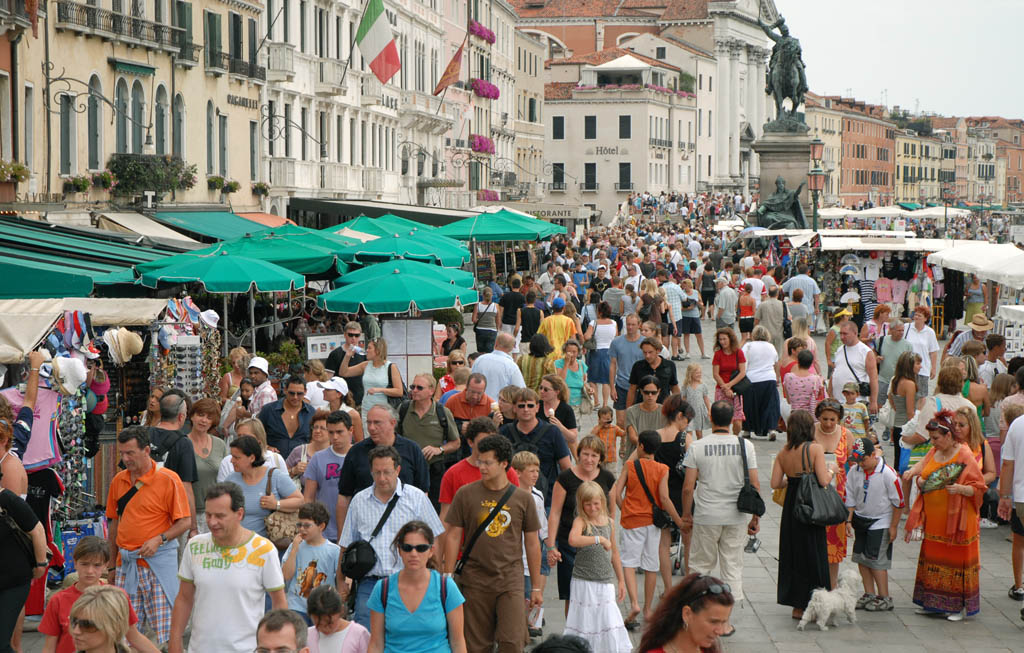
The decision follows years of rising discontent among residents, many of whom blame cruise tourism for overcrowding, strained infrastructure, and a worsening housing crisis driven by short-term vacation rentals. The closures come just months after protesters armed with water pistols confronted tourists in the Gothic Quarter, a symbolic flashpoint in the ongoing tension between locals and the booming tourism industry.
Reimagining Cruise Tourism
As part of the new agreement, the city and port authorities will invest €185 million ($216 million) in a public-private initiative to modernize cruise infrastructure. A key component of that modernization is the installation of green onshore power supplies at the port, allowing docked ships to switch off their engines and cut emissions while in Barcelona.
The initiative will also fund a mobility study – the first of its kind – to analyze how cruise passengers move through the city. This data will inform a future sustainable mobility plan, with the goal of reducing the disruption caused by day-trippers who disembark en masse in the morning and return to their ships by late afternoon.
In 2024, 1.6 million cruise passengers passed through Barcelona in transit, making it the busiest cruise port in Europe, according to the Port of Barcelona. Most head straight to the city’s most iconic areas – La Rambla, the Gothic Quarter, and the Sagrada Família – contributing to the daily surge of foot traffic in already saturated spaces.
Building on Past Efforts
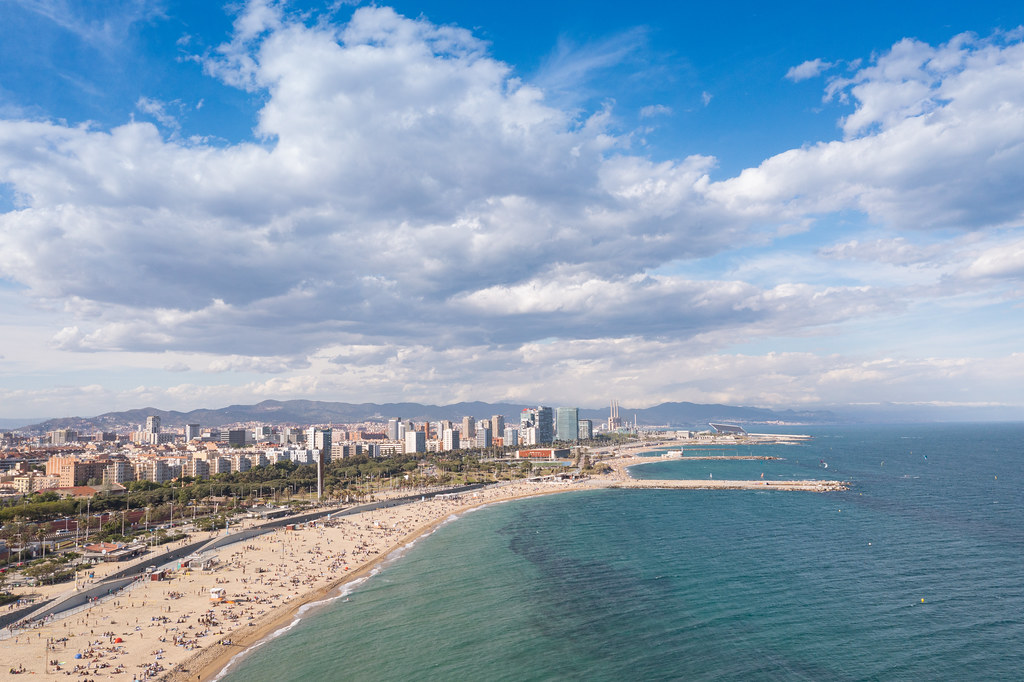
The 2025 terminal closures are the latest in a series of moves by Barcelona to distance cruise traffic from the city’s urban core. In October 2023, the city shut down its northern cruise terminal and rerouted traffic to piers further south, following through on a 2018 sustainability agreement between port authorities and the city council.
That same agreement led to the closure of the Maremagnum cruise terminal, which has since been transformed into a vibrant mixed-use waterfront area with restaurants, shops, a marina, and an aquarium – a model for how Barcelona might reclaim more space from mass tourism in the future.
Barcelona’s leaders have been vocal about balancing the city’s economic dependence on tourism with the need to protect residents’ quality of life. The new cruise policy, they say, is a critical part of that equation.
As cities across Europe grapple with the downsides of popularity, Barcelona’s port strategy could become a blueprint for other destinations looking to limit the negative effects of cruise tourism without cutting it off entirely. For now, the city seems intent on rewriting the rules — putting sustainability and local well-being at the heart of its tourism future.