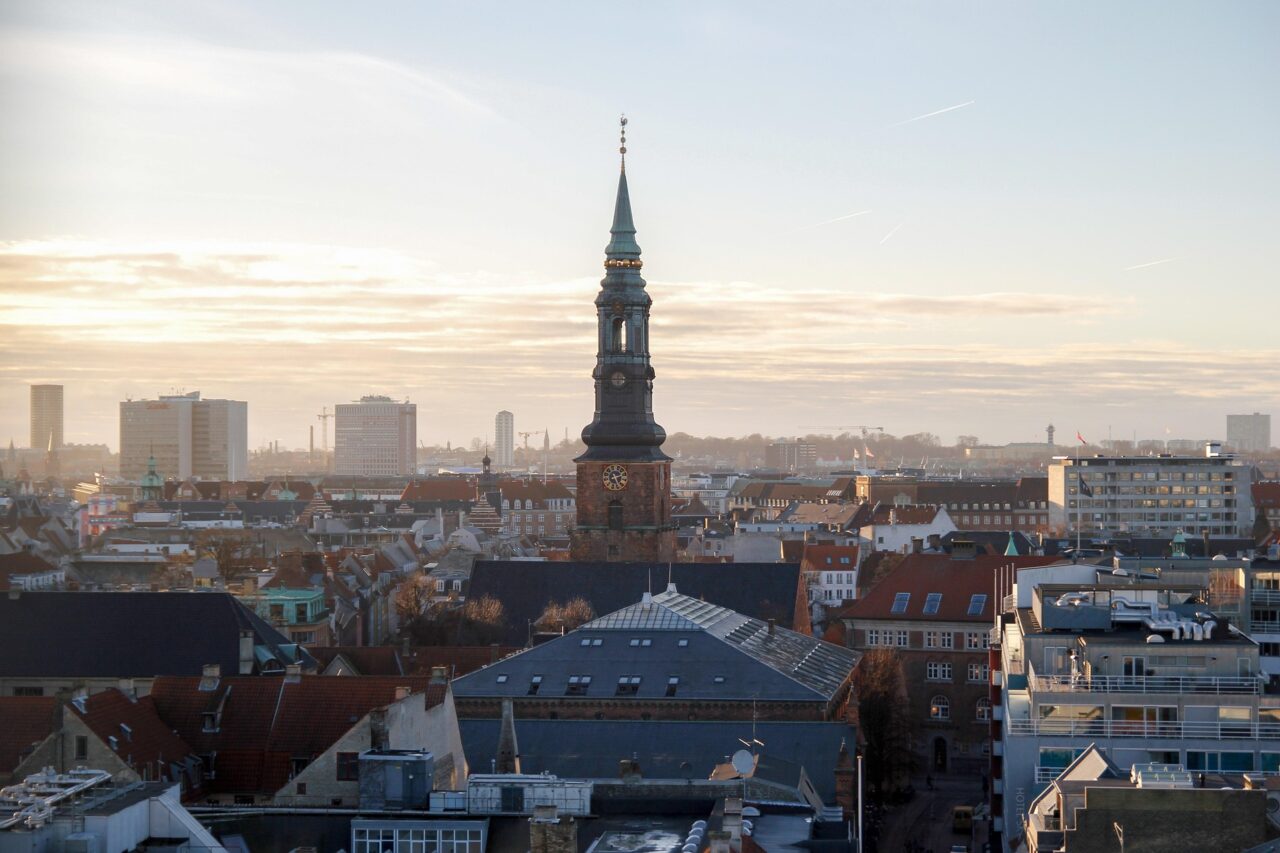
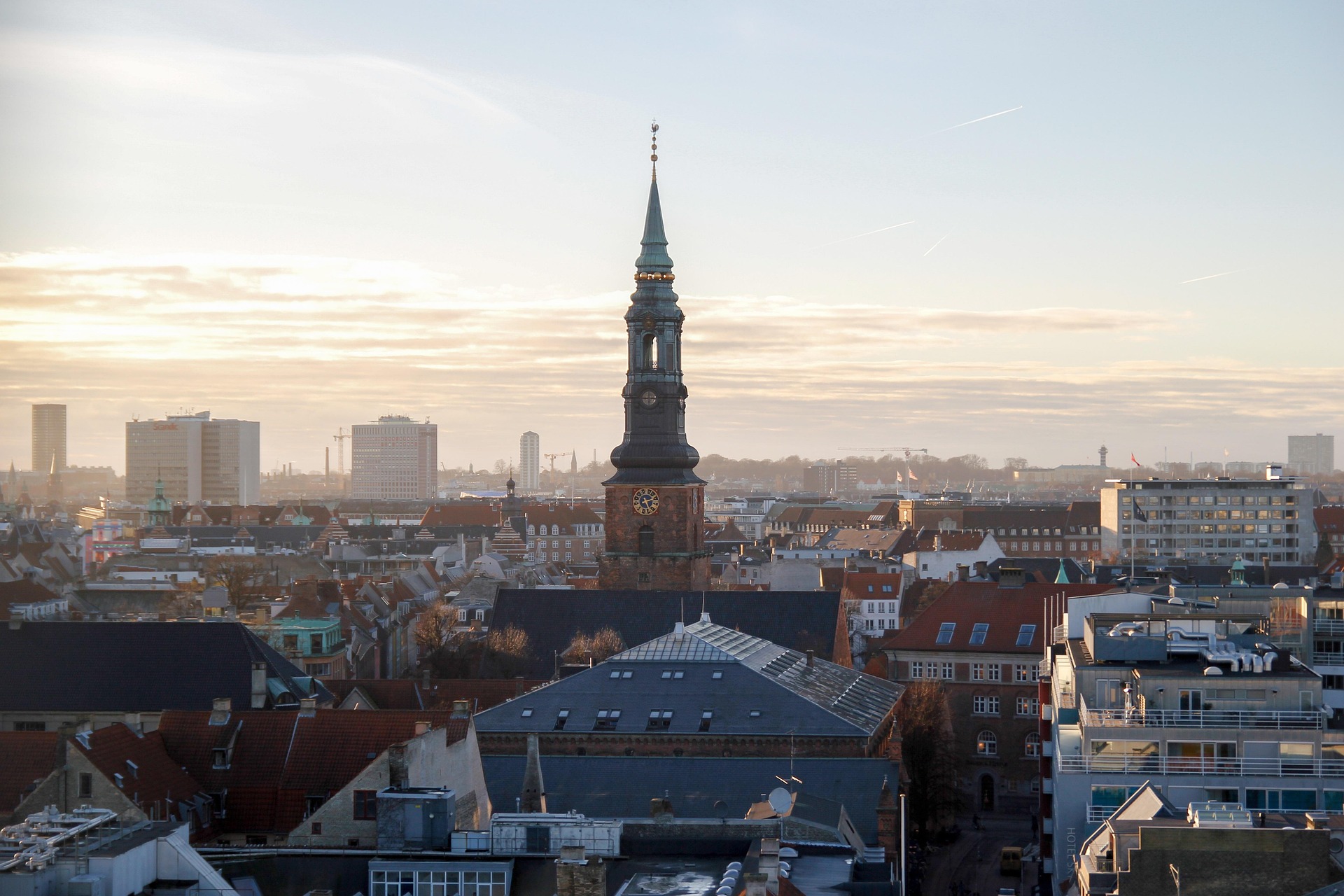
Copenhagen’s city council has approved a plan to ban new hotels from opening in the Danish capital’s historic centre, in a move aimed at easing pressure from mass tourism and protecting the area’s character.
The proposal focuses on the most crowded parts of the city and is expected to change how hotel developers approach central Copenhagen. It comes as European destinations continue to look for ways to manage visitor numbers while keeping tourism income.
The council said the measure is intended to stop further concentration of accommodation in the old city core, where residents and local businesses have raised concerns about noise, congestion and the loss of neighbourhood life. Existing hotels would not be forced to close under the plan.
The decision marks one of the most direct interventions yet by a major European city to limit hotel growth in its centre. Supporters say it could help preserve the area’s liveability and historic setting. Critics are likely to argue that it may restrict investment and reduce choice for visitors.
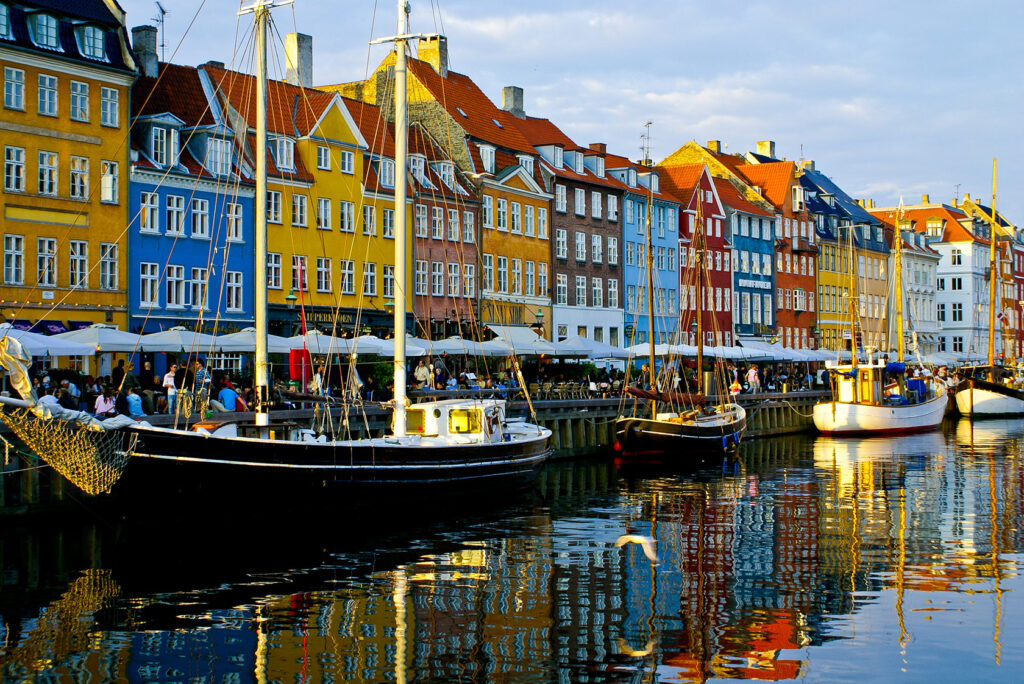
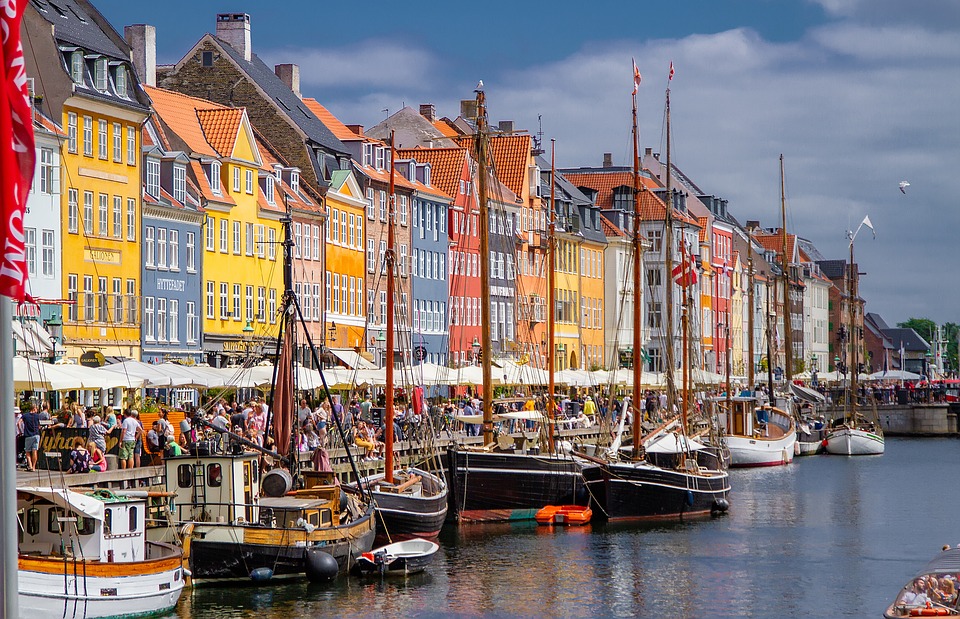
Copenhagen has long been a popular short-break destination, known for its canals, museums, design scene and walkable streets. But like many cities in Europe, it has faced growing debate over how to balance tourism with everyday urban life.
The new restriction is part of a wider trend among cities trying to manage the effects of rising visitor numbers. Some have introduced caps on short-term lets, while others have raised tourist taxes or tightened rules on cruise ship arrivals.
In Copenhagen, the centre has been under particular pressure because of its appeal to first-time visitors and the limited amount of available land. As a result, hotel expansion has become a sensitive issue in planning discussions.
The council’s decision will now shape future development proposals in the area. It also sends a signal to the wider hospitality sector that the city’s planning priorities are shifting towards preservation and residential quality rather than further tourism growth.
For travellers, the move is unlikely to affect the city’s existing hotel stock in the short term, but it could influence prices and availability over time if fewer new rooms are added in the centre. Visitors may eventually be directed to stay in districts beyond the historic core.
The policy reflects a broader European response to overtourism, as cities try to protect heritage sites and maintain livable neighbourhoods without shutting out visitors entirely. Copenhagen’s approach may be watched closely by other destinations considering similar steps.