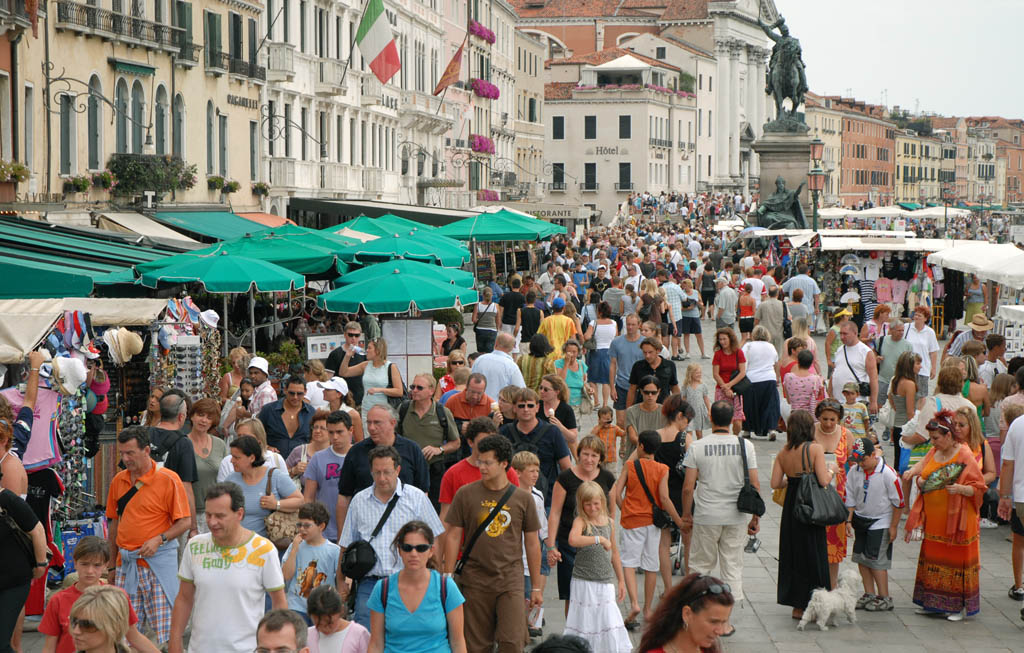
Travel across Europe could soon look very different, as lawmakers move to rebalance tourism away from overcrowded hotspots and toward lesser-known destinations.
A key committee in the European Parliament has approved a proposal aimed at reshaping how visitors explore the region, with a strong focus on sustainability, infrastructure, and local impact. The plan, backed by the Transport and Tourism committee, now awaits a full parliamentary vote that could pave the way for a broader EU-wide tourism strategy.
At the heart of the proposal is a clear objective: reduce pressure on heavily visited destinations while encouraging travellers to discover new areas. Lawmakers highlighted that 80% of global tourism is concentrated in just 10% of destinations – a pattern that has led to overcrowding, environmental strain, and growing local resistance in some of Europe’s most popular cities.
To counter this, the plan promotes travel to rural regions, mountain areas, and lesser-visited destinations that have the capacity to welcome more visitors. It also encourages niche travel experiences – including gastronomy, wine, heritage, and cycling tourism – as a way to spread demand throughout the year rather than concentrating it in peak seasons.
For travellers, this could mean a shift toward more diverse and less crowded itineraries, with emerging destinations becoming easier to access and more actively promoted.
Improving transport links is a central pillar of the strategy. Lawmakers are calling for better air, rail, and sea connections to under-visited areas, alongside practical upgrades such as expanded night train services and integrated ticketing systems that allow seamless multi-modal journeys. Investments in electric vehicle infrastructure are also part of the plan, aligning tourism growth with sustainability goals.
Short-term rental platforms are another major focus. While new EU rules are already set to come into force in May, lawmakers believe additional measures may be needed to manage their impact. Proposals include clearer regulations for hosts, limits on rental durations, and zoning rules to help protect local housing markets and community character.
The strategy also touches on funding and workforce challenges. Tourism taxes, already used in some destinations, could be expanded to support infrastructure and environmental protection. Meanwhile, a proposed “tourism skills card” aims to improve job mobility across the EU and address ongoing labor shortages in the sector.
Cultural heritage remains a key priority. Lawmakers emphasized the role of local communities, volunteers, and cultural workers in maintaining Europe’s appeal, calling for stronger support and guidelines to encourage sustainable cultural tourism.
With tourism contributing more than 10% of the EU’s GDP and supporting millions of jobs, the stakes are high. The proposal reflects growing recognition that future growth must be managed carefully to avoid undermining the very destinations travellers come to experience.
A final vote is expected in the coming weeks. If approved, the plan would guide the European Commission in developing a comprehensive strategy that could redefine how, and where, people travel across Europe in the years ahead.