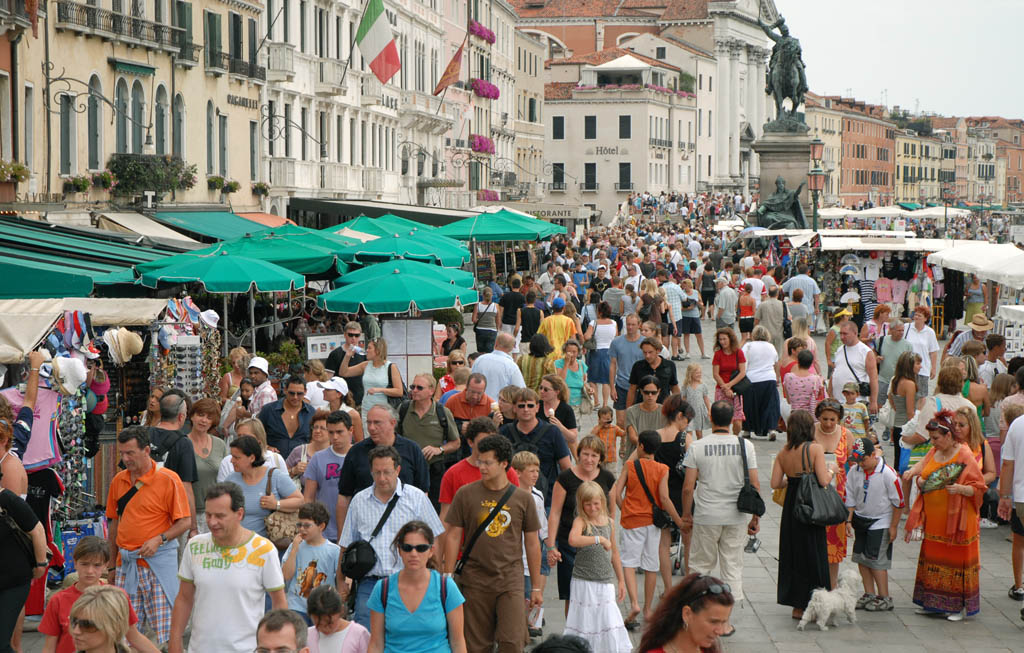
As overtourism continues to strain Europe’s most popular destinations, local authorities are taking decisive action to protect residents, heritage, and the environment. From smoking bans on Spain’s beaches to new restrictions on electric scooters in Prague and steep fines in Portugal, a wave of travel reforms is reshaping how visitors experience the continent’s most iconic spots.
In Spain, the Basque resort city of San Sebastián has announced plans to introduce stricter rules to preserve its iconic coastline. The most notable proposal is a complete ban on smoking on all beaches, which would make San Sebastián the second city in the Basque Country after Zarautz to enforce such a measure.
The city council also intends to restrict dogs on beaches during summer, allowing them to be walked only between 9 p.m. and midnight. Previously, residents could take their pets to the beach freely between September and May. To further maintain peace and order, officials are also considering a ban on loudspeakers after a rise in noise complaints.
Elsewhere in Spain, the city of Palma de Mallorca is moving to prohibit party boats altogether starting next season. The ban will apply to vessels that typically dock along the city’s seafront, aiming to reduce noise, pollution and antisocial behaviour.
In neighbouring Portugal, the popular resort town of Albufeira has introduced hefty fines ranging from €150 to €1,800 for leaving shopping trolleys in the streets, lighting barbecues on beaches, or generating excessive noise – a move designed to improve public order and safety for both tourists and locals.
Meanwhile, Prague has approved a decision to ban electric scooter rentals across the Czech capital starting in January 2026, citing pedestrian safety concerns and the growing clutter of parked e-scooters in historic areas.
Even in Greece, authorities are cracking down on seemingly harmless habits: tourists now face steep fines for collecting shells or pebbles from beaches, part of an effort to protect fragile coastal ecosystems that have been depleted by mass tourism.
Across Europe, such measures signal a turning point – a collective recognition that tourism must evolve from unrestricted growth to responsible coexistence. Cities and resorts are increasingly prioritising sustainability, community well-being and environmental preservation over sheer visitor numbers – marking what may become the new era of travel in Europe.