
Athens is considering new restrictions on hotel development as authorities look for ways to manage the growing pressure of mass tourism on the city.
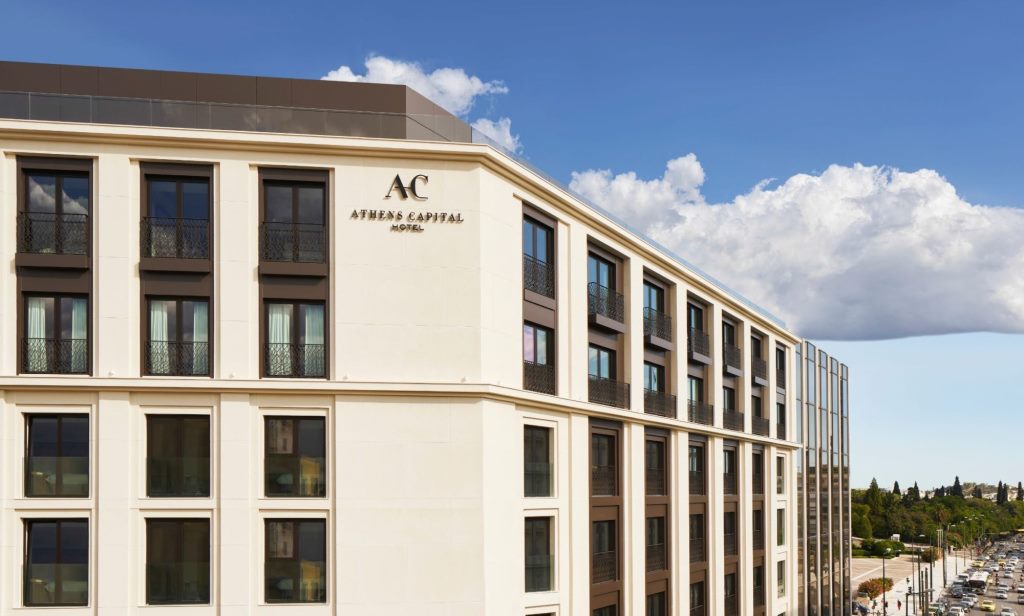
Local officials are discussing the possibility of limiting the issuance of licenses for the construction of new hotels, following earlier measures that already froze permits for short-term rental properties in certain districts. The move reflects rising concerns that the rapid expansion of tourism infrastructure is outpacing the city’s ability to absorb visitors.
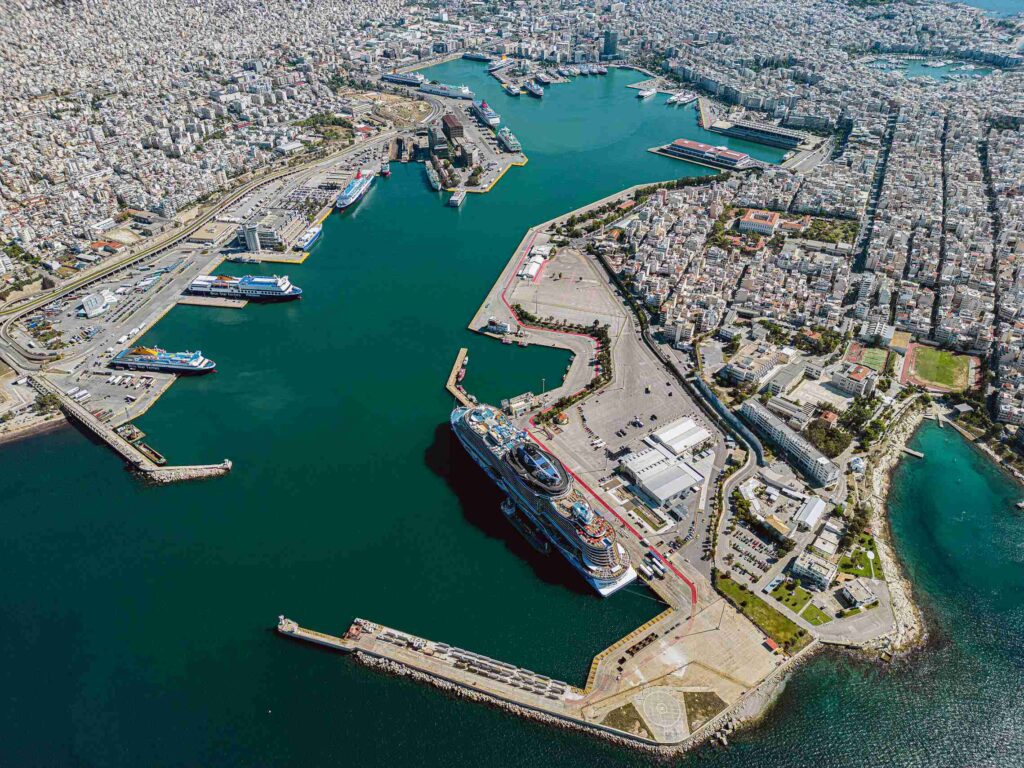
Athens has become the most popular tourist destination in Greece, welcoming around 12 million international visitors last year. This influx significantly exceeds the population of the broader metropolitan area, which stands at approximately 3.6 million residents.
The imbalance is increasingly felt by locals, who face rising housing costs, overcrowding and strain on public services. Authorities are now exploring ways to balance economic benefits from tourism with quality of life for residents.
Restricting hotel development would mark a significant policy shift, signaling a move away from growth-at-all-costs tourism strategies toward more controlled and sustainable models.
Athens joins a growing list of European destinations reassessing their tourism policies as visitor numbers reach record highs. Measures such as limiting short-term rentals, regulating accommodation supply and managing visitor flows are becoming more common across major cities facing overtourism challenges.
While no final decision has been announced, the proposed restrictions highlight the increasing urgency for cities like Athens to rethink how tourism growth is managed in the long term.