The Abercrombie & Kent-owned camp resumed operations in June with 10 redesigned tented suites, a new hillside setting overlooking the Serengeti and a stronger emphasis on regional craftsmanship, local sourcing and more immersive safari experiences beyond traditional game drives.
The move is part of a broader East Africa push by A&K Sanctuary and comes in the same month as the brand opened Kitirua Plains Lodge near Amboseli National Park in Kenya.
Ngorongoro Crater Camp moves to a new location
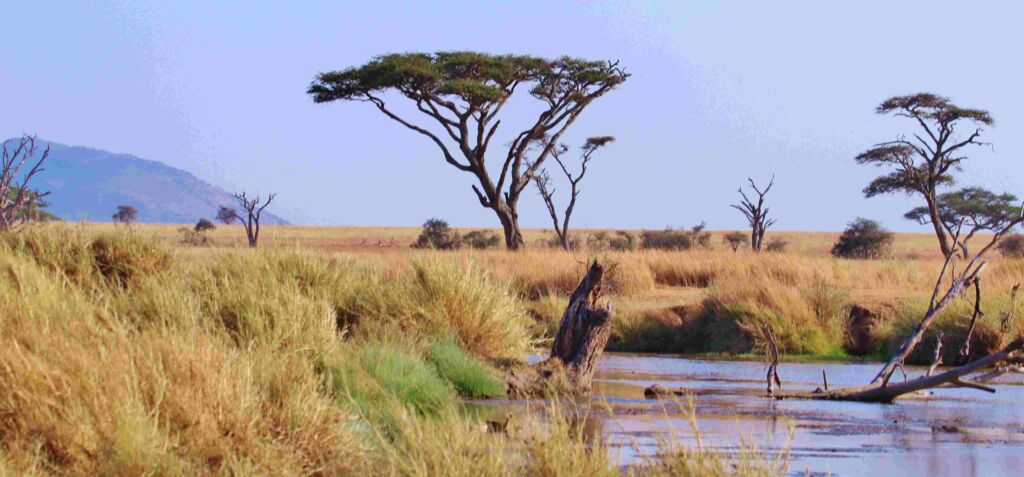
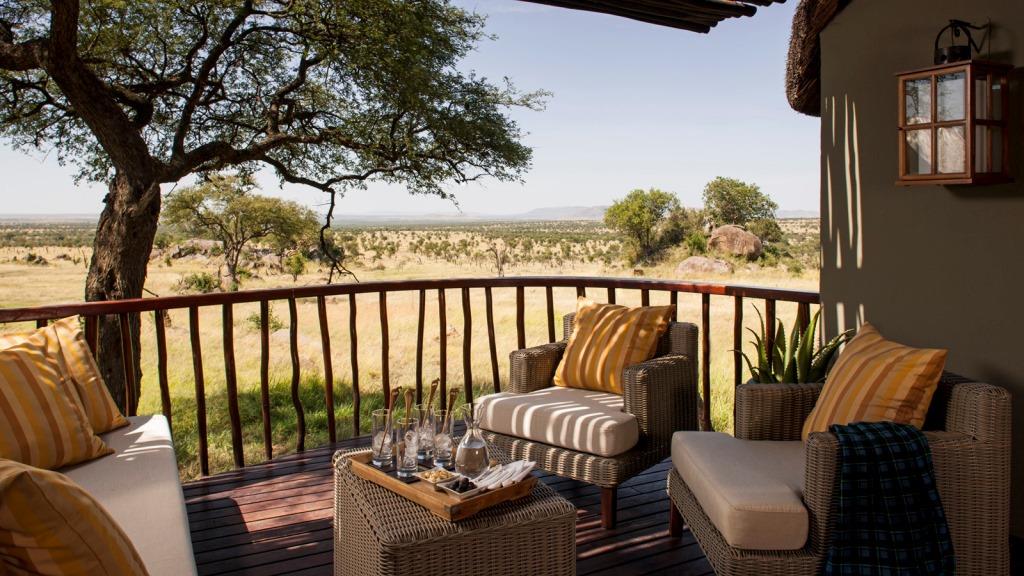
The relocated Ngorongoro Crater Camp now sits on a hillside within the wider Ngorongoro conservation area, offering expansive views across the surrounding landscape and closer alignment with the kind of secluded, design-led safari experience luxury travellers increasingly expect.
The new site is positioned around 25 minutes from the Ngorongoro Crater descent road, giving guests access to one of Africa’s most iconic wildlife destinations while also placing the camp in a setting that feels more private and visually dramatic than a purely transit-oriented base near the crater floor route.
That balance matters. Ngorongoro remains one of Tanzania’s flagship safari destinations, but luxury operators are increasingly trying to offer more than just proximity to wildlife. They are also selling atmosphere, design, privacy and a deeper sense of place.
Redesign leans heavily into East African identity
A&K says the reimagined camp was developed to feel more immersive and more reflective of East Africa than the previous version, and the interior design strategy appears central to that repositioning.
The property was redesigned in collaboration with East African studio JPN Interior Design, with a deliberate focus on regional artistry and locally produced interiors. According to the company, 97% of the camp’s interiors were made locally, with furniture handcrafted in Arusha and decorative pieces sourced from artisans across the region.
That is a notable detail because it places the camp firmly within a growing trend in high-end safari design: moving away from generic luxury lodge aesthetics and toward a more locally grounded design language that still feels polished enough for international luxury travellers.
Ten tented suites reimagined with more space and comfort
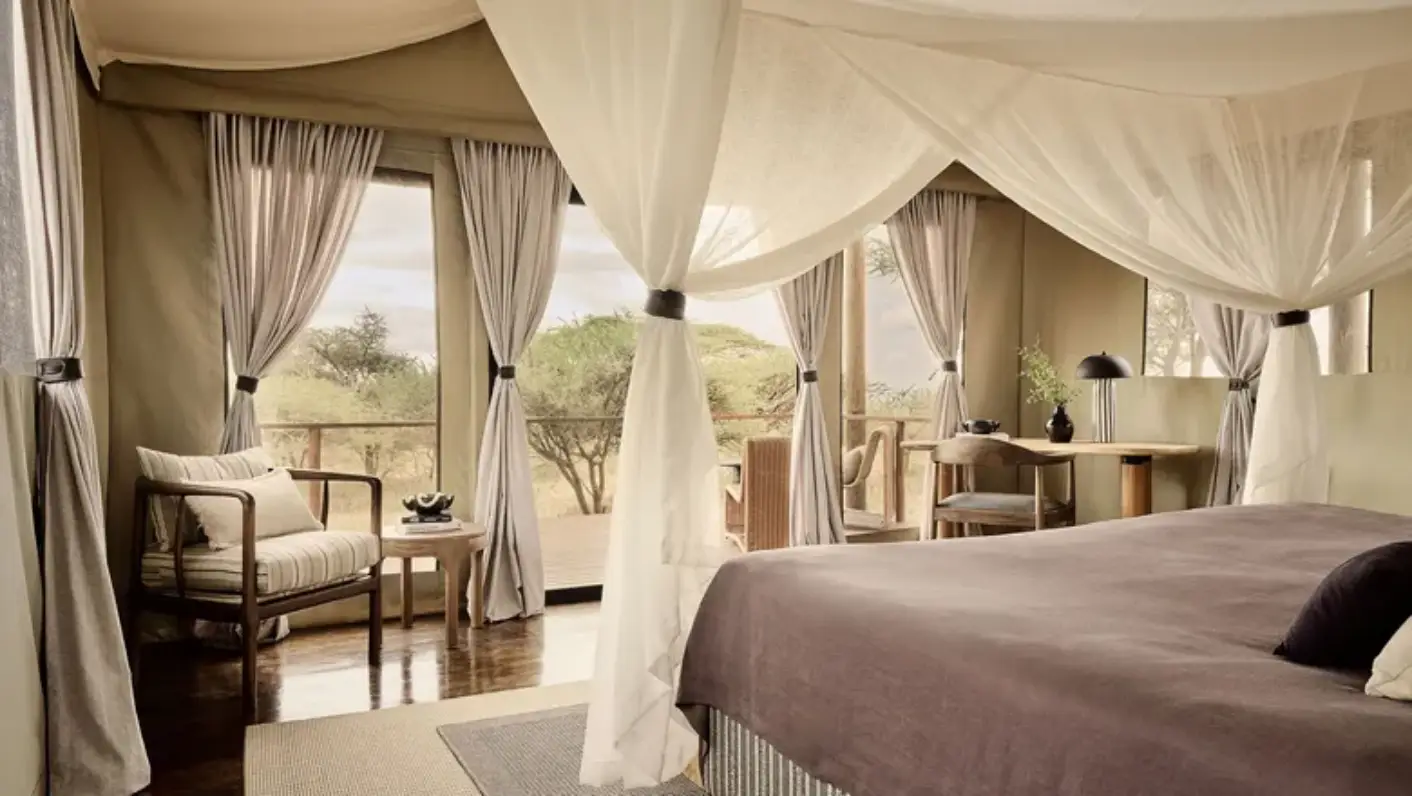
The new camp has reopened with 10 tented suites, each of which has been expanded and upgraded as part of the relocation.
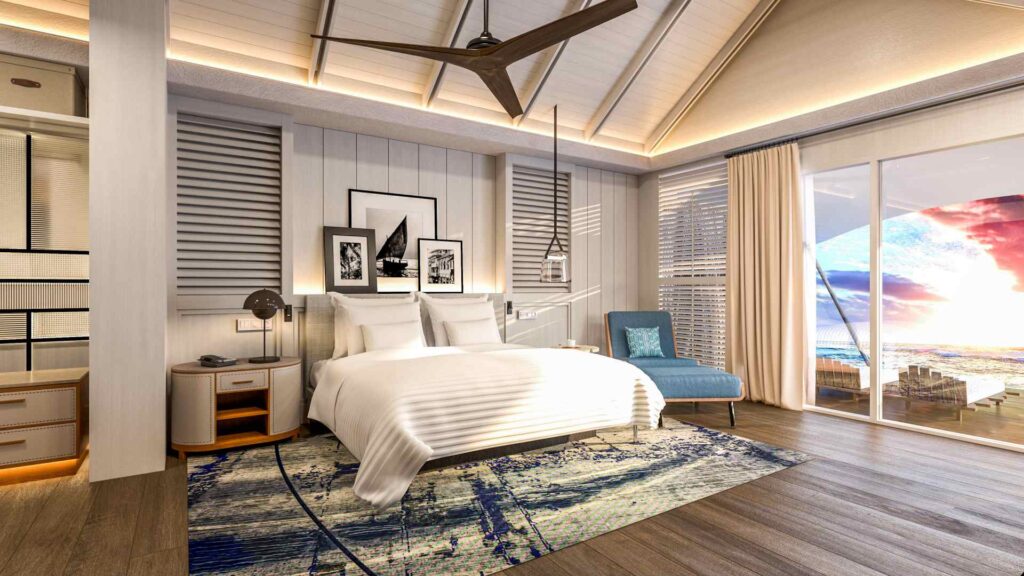
The suites now include hardwood floors, king-size beds, ensuite bathrooms and private viewing decks, creating a more residential level of comfort while retaining the tented safari format. The design palette uses greys, browns, charcoal and sage green tones inspired by the surrounding landscape, while also referencing traditional Maasai motifs and materials.
One of the more distinctive design details is a chandelier made from jacaranda seed pods, a small but telling example of how the camp is trying to fuse regional identity with boutique luxury styling.
Wildlife access remains a major draw
Despite the emphasis on design and atmosphere, wildlife remains central to the property’s appeal. The Ngorongoro conservation area is home to more than 25,000 animals, including the Big Five, and the crater itself remains one of the most concentrated wildlife-viewing environments in Africa.
For guests, that means the camp continues to serve as a base for classic Ngorongoro game drives, with access to one of Tanzania’s most important safari landscapes still at the heart of the experience.
But A&K is clearly trying to widen the proposition beyond the crater alone.
Relocation broadens the range of safari experiences
One of the strategic advantages of the new location is that it opens up a broader set of experiences beyond standard crater excursions.
A&K says the repositioned camp is better placed for access to sites such as the Ndutu Plains, known for Great Migration calving season activity, as well as the Nasera rock art site and the Shifting Sands. That matters because luxury safari guests increasingly expect a trip to feel layered and varied, rather than limited to a single daily wildlife circuit.
By presenting the camp as a gateway to a wider range of landscapes and cultural sites, A&K is effectively turning Ngorongoro Crater Camp into a more rounded northern Tanzania safari base rather than simply a lodge near a famous crater.
Part of a wider East Africa investment push
The reopening also fits into a broader strategic moment for A&K Sanctuary in East Africa. In the same month as the Ngorongoro relocation, the brand launched Kitirua Plains Lodge near Kenya’s Amboseli National Park, suggesting a coordinated effort to refresh and expand its footprint in the region.
That is significant because East Africa remains one of the most competitive luxury safari markets in the world, with operators under pressure to differentiate through design, conservation credentials, access and guest experience rather than just location alone.
The investment in Ngorongoro appears to be A&K’s answer to that challenge: a stronger design story, a more compelling setting and a wider experience mix wrapped inside a high-end safari product.
A more modern version of classic safari luxury
What A&K has done with Ngorongoro Crater Camp is not simply move a lodge from one site to another. It has used the relocation to reposition the property for the next phase of luxury safari demand.
Travellers in this segment still want wildlife and exclusivity, but they also increasingly want a sense of place, thoughtful design, locally rooted storytelling and accommodation that feels both intimate and highly considered. The new Ngorongoro Crater Camp appears built around that logic.
For A&K Sanctuary, the project signals that its East African strategy is not just about opening new lodges. It is also about reworking legacy properties so they feel relevant to how high-end safari travel is evolving now.