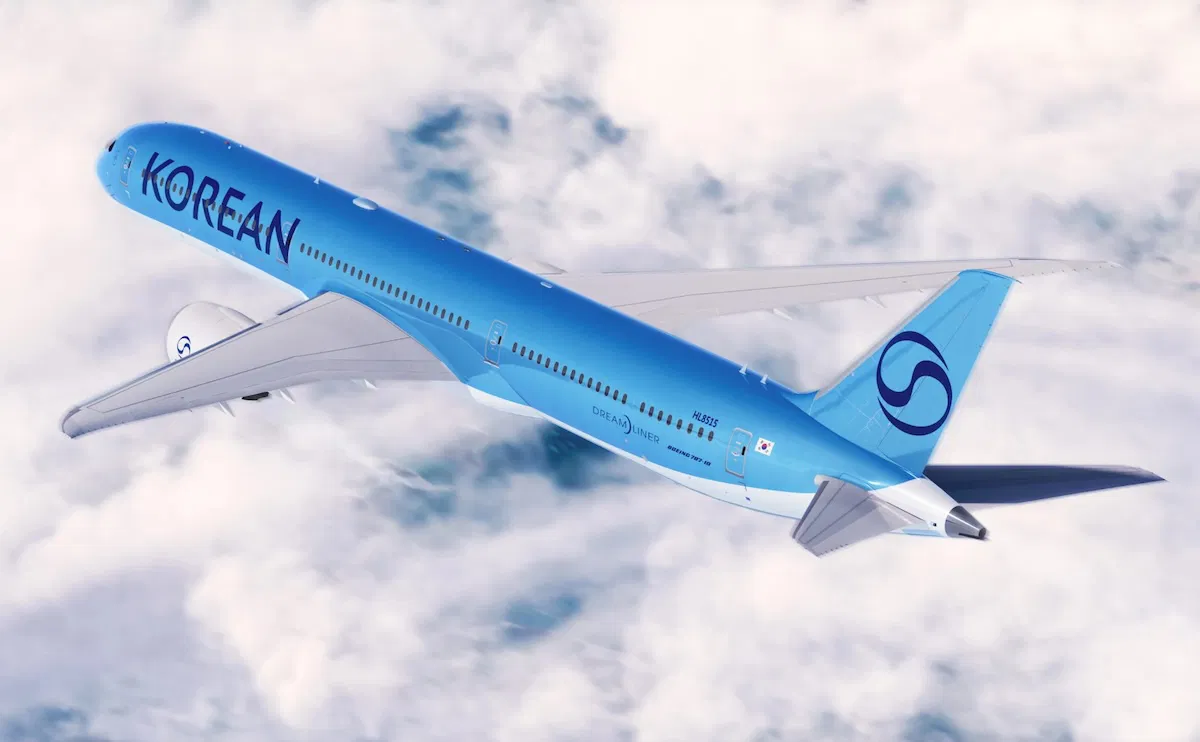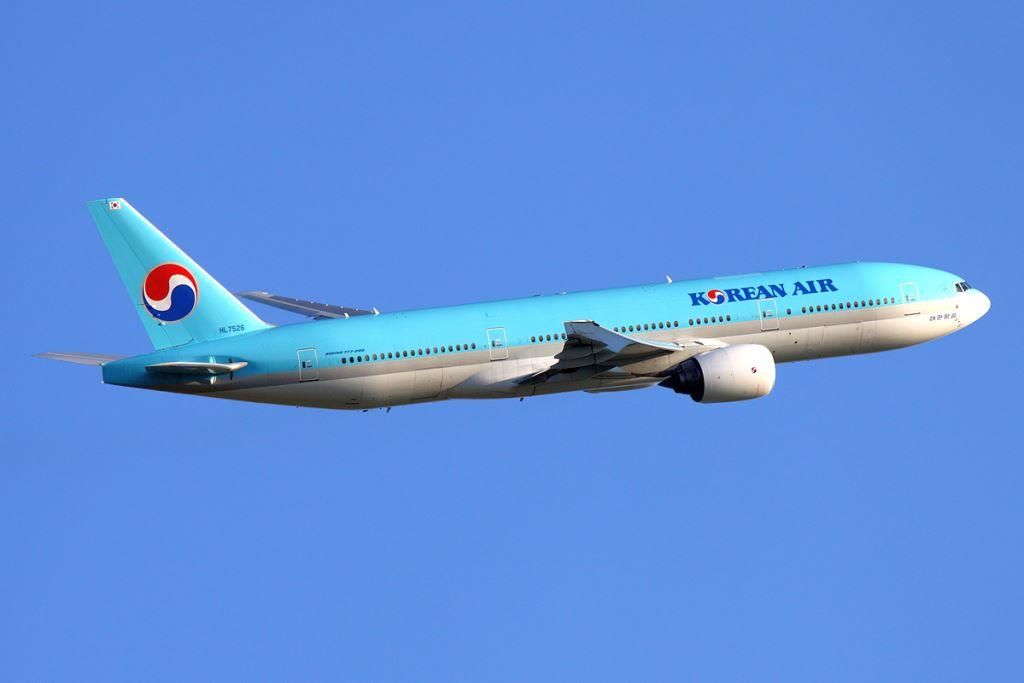
The two airlines have added Seattle-Tacoma International Airport and Los Angeles International Airport to the service, extending a programme that already allows eligible passengers to have their checked bags screened before arrival in the US. For travellers connecting onward after flying from Seoul Incheon, the change means baggage can continue through the journey without being reclaimed and rechecked at the first US airport.
The move is a small but strategically important upgrade to the international transfer experience, particularly for passengers connecting from Asia onto domestic US flights, where customs and baggage formalities can often add significant time and stress to the journey.
Remote baggage screening now available at Seattle and Los Angeles
Under the expanded arrangement, Delta and Korean Air customers flying from Seoul Incheon to Seattle or Los Angeles and then connecting onward can have their checked baggage screened remotely before arriving in the United States.
That means eligible bags no longer need to be physically collected by the passenger after clearing customs and then dropped off again for the onward flight. Instead, the screening process takes place behind the scenes, allowing travellers to proceed more directly to their next gate once formalities are complete.
For passengers making tight connections or simply trying to reduce friction on long-haul itineraries, the benefit is clear: fewer queues, less luggage handling and a smoother transfer through two of the busiest gateways on the US West Coast.
The programme began in Atlanta and has expanded steadily
The service is not entirely new. Delta first introduced remote baggage screening in August 2025 on flights arriving in Atlanta from Seoul Incheon and London Heathrow, using it as a way to simplify the international arrival and transfer process at one of its largest hubs.
Since then, the programme has gradually widened. In April this year, it was extended to Detroit and Minneapolis, both important Delta gateways for onward domestic connectivity. The addition of Seattle and Los Angeles now broadens the programme further across the airline’s US network and gives Korean Air passengers more transfer options on the West Coast.
The steady rollout suggests both carriers see the concept as operationally viable and commercially valuable, especially on high-volume transpacific routes where connection convenience can influence airline choice.
Why the service matters for connecting passengers
For international travellers arriving in the United States, one of the most cumbersome parts of the journey is often the baggage process. Even when luggage is tagged to a final destination, passengers on many itineraries still need to collect their checked bags after clearing immigration, carry them through customs and then recheck them for the domestic leg.
That process can be time-consuming, particularly at large airports during peak periods, and it adds another layer of uncertainty for travellers with shorter connection windows.
Remote baggage screening is designed to remove that extra step. By screening bags before the passenger arrives in the US, the system allows luggage to continue onward more seamlessly, bringing the US transfer process closer to the kind of through-checked experience passengers often expect in other international markets.
A deeper Delta-Korean Air partnership is shaping the passenger experience
The expansion also reflects the continuing depth of the partnership between Delta and Korean Air, which have spent recent years building one of the most significant transpacific joint ventures in the market.
That partnership is not just about route networks and codeshares. Increasingly, it is also about operational integration and the customer journey – from lounge access and schedules to airport handling and transfer experience. Remote baggage screening fits directly into that strategy because it tackles a real pain point for passengers while making the joint network feel more connected.
For Korean Air, the service enhances the attractiveness of Seoul Incheon as a transfer hub for onward travel into the United States. For Delta, it helps strengthen the value of its domestic network connections for inbound international customers.
West Coast expansion makes strategic sense
Adding Seattle and Los Angeles is particularly logical because both airports are major entry points for traffic from Asia and both feed extensive onward domestic networks.
Los Angeles is one of the busiest international gateways in the United States and a key destination for Korean Air, while Seattle has become increasingly important within Delta’s transpacific strategy and also serves as a strong connecting hub for the Pacific Northwest and beyond.
By extending the baggage screening programme to these airports, Delta and Korean Air are targeting high-volume routes where a smoother connection process can have a meaningful impact on customer satisfaction and airport throughput.
A practical improvement rather than a flashy one
This is not the kind of airline announcement that comes with a new cabin, a major route launch or a headline-grabbing aircraft order. But from a passenger experience perspective, it may be more useful than many larger announcements.
Airport friction is one of the biggest weaknesses in long-haul travel, especially in the US, where international-to-domestic transfers can be more cumbersome than travellers expect. Anything that reduces that friction without compromising security has the potential to become a competitive advantage.
Delta and Korean Air appear to understand that. Their remote baggage screening programme is a technical, back-end improvement, but one that directly changes what passengers feel during a journey. And if the rollout continues to prove successful, it would not be surprising to see the service expand to additional airports in the future.