Have you ever stood in a place and felt history breathing around you? Maybe it was a ruined temple, an old cobbled street, or a massive stone structure that’s somehow survived thousands of years. There’s something humbling about being in the presence of human achievement that has endured far longer than any of us will. It’s not just about the sights—it’s about the stories, the lives, and the ingenuity that made them possible.
Visiting ancient civilizations isn’t just a checkmark on a bucket list. It’s an experience that changes the way you see the world. It teaches lessons that no textbook can offer, opens your mind to cultures long gone yet still living through their legacies, and leaves you with memories that are hard to forget.
So why does this matter? Why should you, or anyone, go out of your way to see ruins, temples, or ancient cities? Let’s break it down.
Connecting With the Stories of the Past
Walking through ancient ruins is like stepping into a time machine. You’re not just seeing stones and columns—you’re feeling echoes of lives lived centuries or even millennia ago. The people who built these structures, lived in these cities, and carried out daily routines were just like us. They laughed, worked, celebrated, and wondered about the world around them.
Imagine wandering through the corridors of an Egyptian temple, tracing the carvings on walls that tell stories of gods, pharaohs, and everyday life. There’s a magic in realizing that someone, thousands of years ago, carved these details with their own hands. It’s intimate. Personal. Powerful.
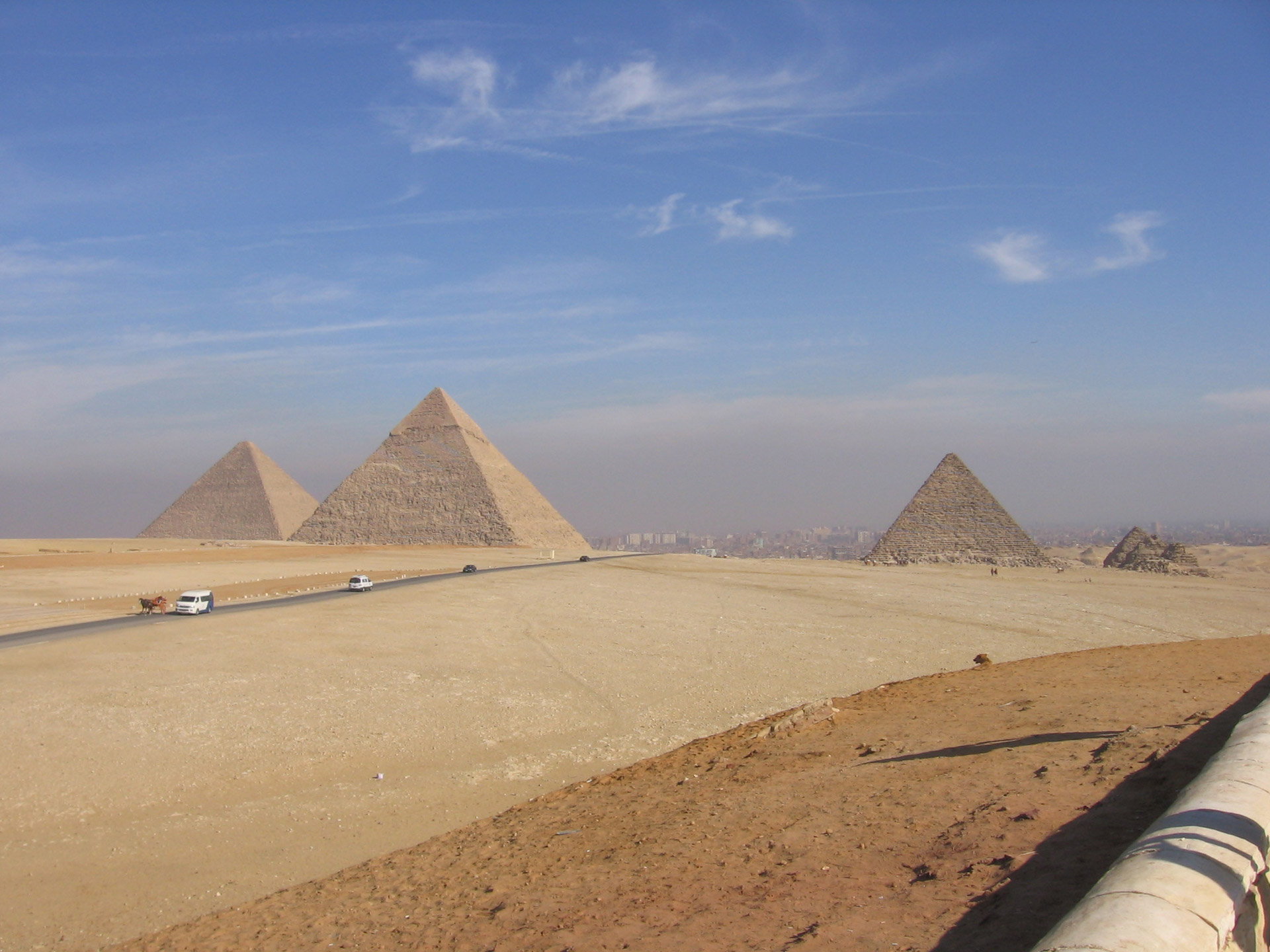
For travelers who crave depth, immersive experiences make all the difference. Some go on a tour of Egypt for 15 days, exploring multiple historical sites in a single journey. The beauty of such an adventure isn’t just in seeing landmarks—it’s in experiencing the layers of history that stack upon each other. One day you’re at a pyramid, the next at a centuries-old temple, and by the end, it all clicks together in a way that’s hard to explain.
And isn’t that what makes travel unforgettable? Those moments where you feel connected to something bigger than yourself, where the past feels alive, and you realize that history isn’t just in books—it’s right there under your feet.
Learning Lessons Beyond Textbooks
Sure, you can read about ancient civilizations. You can memorize dates, kings, wars, and inventions. But standing in the middle of an archaeological site gives you a perspective no classroom can. The scale of the structures alone teaches you about ambition, skill, and perseverance. The intricate details in carvings and artifacts speak to artistry and patience.
Have you ever thought about the fact that some ancient engineers designed buildings that have lasted thousands of years without modern tools? That’s not just impressive—it’s inspiring. It’s a reminder of what humans are capable of when creativity and necessity collide.
Visiting these sites isn’t just an educational exercise; it’s a mirror. You start thinking about your own achievements, your goals, and the small but meaningful ways you leave your mark on the world. Maybe it makes you more patient, more thoughtful, or even more curious. And honestly, who doesn’t need a little reminder that humans are capable of greatness?
Experiencing Cultures That Shaped the Modern World
Ancient civilizations aren’t frozen in time. They live in the languages we speak, the religions we practice, and even the architecture around us. Visiting these places lets you experience that influence firsthand. You smell the spices in local markets, hear the rhythm of traditional music, and see the echoes of ancient customs still alive today.
Walking through ancient streets, you might notice details that textbooks never mention—the way light falls on a carved doorway, the sounds of a bustling square, the scent of herbs and incense in the air. These sensory experiences are part of what makes history tangible. You don’t just learn about the past; you feel it.
It’s also humbling. Seeing the remnants of civilizations that shaped the modern world reminds you that progress is cumulative. Every generation builds on what came before. Every culture leaves an imprint, no matter how old or distant. And you get to witness that imprint with your own eyes.
You might catch yourself thinking, “How did they do this without the technology we take for granted?” That’s the kind of curiosity that turns a simple visit into a lifelong memory.
The Transformative Power of Travel
There’s a quiet power in traveling through history. It’s not just sightseeing—it’s life-changing. Witnessing the ingenuity and creativity of civilizations long gone can shift your perspective in ways you don’t expect. You start noticing patterns, appreciating detail, and valuing patience and craftsmanship more deeply.
And it’s not just about knowledge. It’s about perspective. Being in these places makes you slow down, notice more, and think about your place in the world. You start to ask questions like, “What kind of legacy do I want to leave behind?”
Some experiences stay with you in ways you can’t articulate. A sunrise over the pyramids, the quiet hush of a temple at midday, or the laughter of locals in a centuries-old marketplace—all of it seeps in. These are the moments that shift your understanding of life, art, culture, and even yourself.
Travel through history is transformative because it reminds you that life is bigger than your daily routine. It’s a reminder to explore, to question, and to experience fully. And honestly, isn’t that what makes life worth living?

Choosing the Right Experiences
Of course, not all travel experiences are created equal. A quick tour or a rushed visit barely scratches the surface. The real value is in immersing yourself, taking time to absorb, and letting curiosity guide you.
Guided tours, slow explorations, and multi-day adventures let you see more than just the surface. They allow you to understand context, appreciate artistry, and truly connect with the history around you. Even small moments—like lingering in a quiet corner of an ancient temple or chatting with a local artisan—can become unforgettable memories.
It’s why many travelers opt for experiences that go beyond a single site. A thoughtful, extended exploration, for example, lets you feel the rhythm of history in a way that a single visit can’t. And sometimes, that journey involves planning a longer adventure—like a multi-site itinerary where every day offers a new layer of discovery.
The point is simple: when you give yourself time and space to experience history, it sticks. You don’t just remember the facts—you remember the feeling.
Wrapping Up: The Lasting Impact of Ancient Civilizations
Visiting ancient civilizations isn’t just about checking off famous landmarks. It’s about connecting, reflecting, and growing. It’s about seeing the world through the lens of people who lived centuries before you, and realizing how their achievements still shape your life today.
Every temple, every ruin, every street carries a story. Some are grand and obvious, others subtle and quiet. And the magic of it all is that these stories aren’t confined to the past—they become part of your story too.
So next time you plan a trip, think beyond the sights. Think about the experiences that let you walk in history’s shoes. The moments that leave you inspired, reflective, and just a little bit changed. Because those are the moments that stay with you long after you’ve returned home.
Maybe the next story you tell won’t be from a book or a movie. Maybe it’ll be the one you lived—walking among wonders, feeling time itself, and knowing that history is alive under your feet.