Georgia’s tourism and hospitality sector is entering a new stage of development, supported by record visitor numbers, rising tourism revenues, expanding international hotel investment and growing interest in destinations beyond the country’s traditional tourism hubs.
Positioned at the crossroads of Europe and Asia, Georgia has established itself as one of the fastest-growing tourism destinations in the Caucasus. The country combines mountain landscapes, Black Sea resorts, wine tourism, cultural heritage, adventure travel and a rapidly evolving urban lifestyle offering.
While Tbilisi and Batumi remain the country’s primary tourism and hospitality centres, destinations including Kakheti, Gudauri, Svaneti, Borjomi and Samegrelo are attracting increasing investment as Georgia seeks to diversify its tourism economy and encourage visitors to explore a wider range of experiences.
Tourism demand reaches record levels
According to Georgia’s National Tourism Administration, the country recorded nearly 6.9 million international visits in 2025, representing a 6.2% increase compared with 2024 and one of the strongest tourism performances in the country’s history.
Tourism revenues have also continued to grow. According to the National Bank of Georgia, international tourism generated approximately US$4.69 billion in revenue during 2025, a 6% increase compared with the previous year. Tourism income exceeded US$1 billion during the fourth quarter alone, underlining the sector’s growing contribution to the national economy.
Georgia continues to attract visitors from neighbouring countries, Europe, the Middle East and Central Asia. Improved air connectivity, simplified travel procedures and the country’s reputation as a value-for-money destination have helped support sustained tourism growth.
According to industry forecasts published by investment bank Galt & Taggart, tourism revenues are expected to remain close to record levels as demand from Gulf countries, Europe and Asian markets continues to expand.
Tourism remains a major economic driver
The travel and tourism sector has become one of Georgia’s most important economic pillars.
According to the World Travel & Tourism Council (WTTC), the sector continues to make a significant contribution to national GDP, employment and visitor spending, with Georgia remaining one of the region’s most tourism-dependent economies. WTTC forecasts indicate continued growth in both domestic and international tourism spending over the coming decade.
The country’s long-term tourism strategy has focused on increasing visitor spending, extending average lengths of stay and promoting higher-value tourism segments including wine tourism, wellness travel, mountain tourism and cultural experiences.
Tbilisi and Batumi remain hospitality leaders
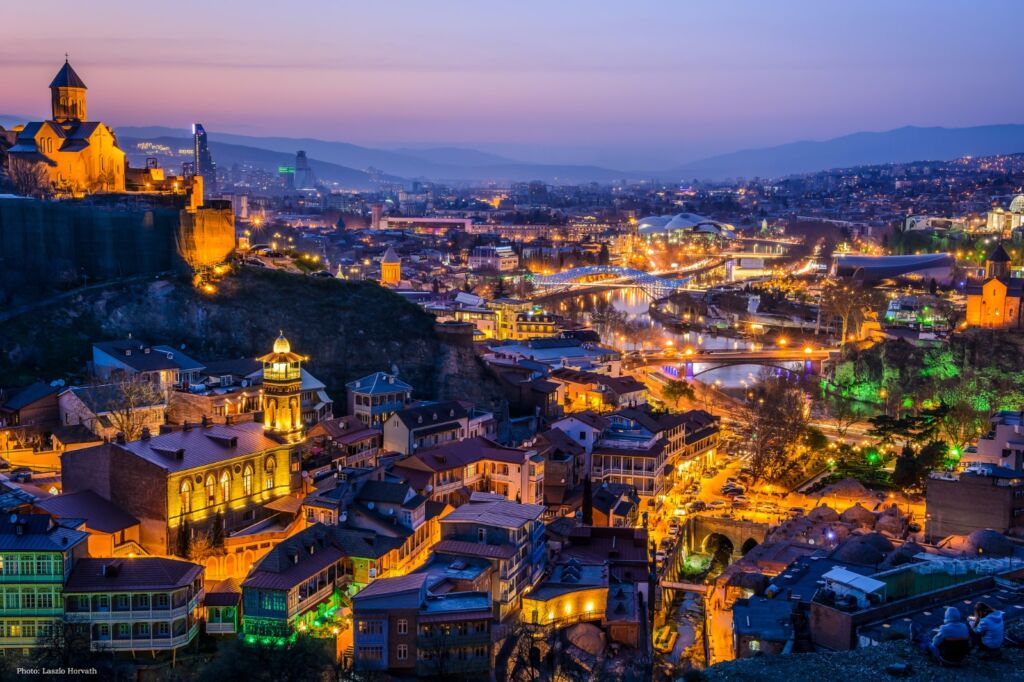
Tbilisi continues to serve as Georgia’s primary tourism gateway and largest hospitality market. The capital attracts visitors through its historic Old Town, growing culinary scene, cultural attractions and increasing reputation as a destination for digital nomads and international business travellers.
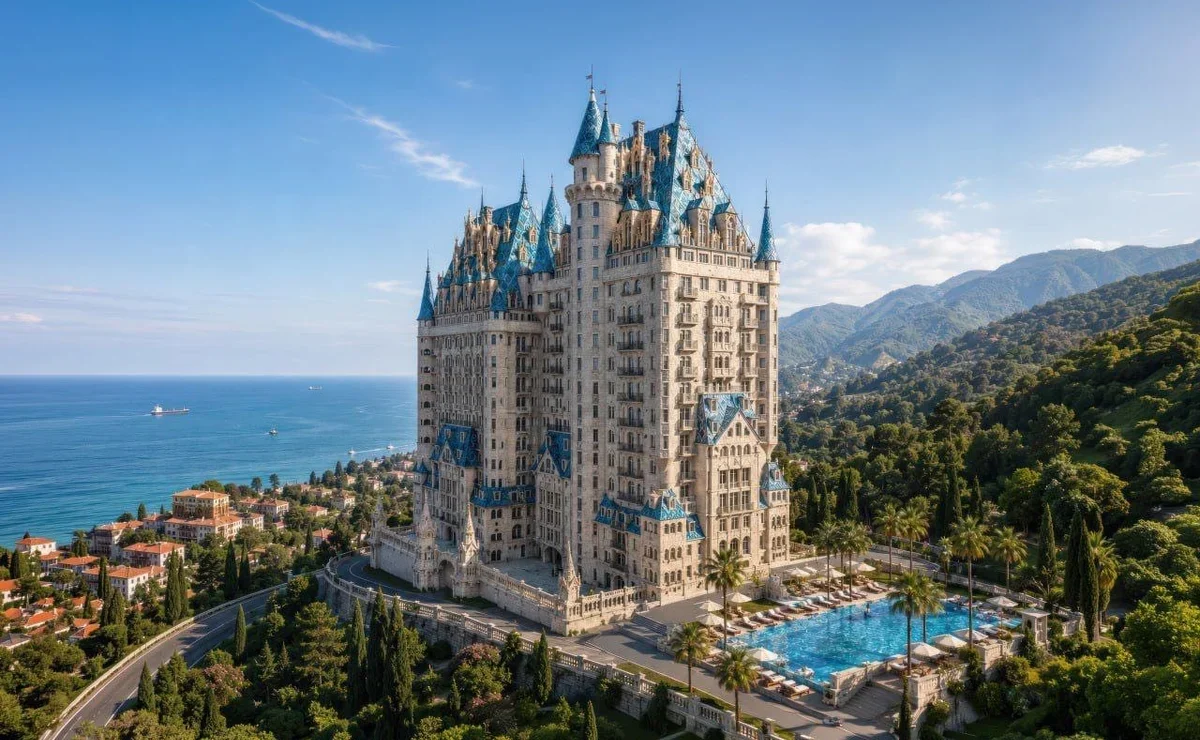
Batumi remains the country’s leading seaside destination, benefiting from continued investment in hospitality, residential tourism projects and entertainment infrastructure along the Black Sea coast.
Together, Tbilisi and Batumi account for the majority of Georgia’s internationally branded hotel supply and continue to attract the largest share of tourism investment.
Hotel development accelerates across the country
Georgia has become one of the most active hotel development markets in the Caucasus region.
According to investment and hospitality sector reports, the country currently has approximately 48,000 hotel rooms, supported by strong tourism demand and continued investor interest. Tourism revenues reached US$4.4 billion in 2024, significantly exceeding pre-pandemic levels and encouraging further development activity.
The expansion of international hotel brands has become a key feature of Georgia’s hospitality market. According to UN Tourism, the growth of internationally branded hotels and a robust real estate sector has attracted more than US$500 million in foreign investment in recent years.
Industry projections indicate that more than 300 new hotels could open across Georgia by 2028, including numerous internationally branded properties in Tbilisi, Batumi, Sighnaghi and other tourism destinations. Several global operators continue to expand their presence as confidence in Georgia’s long-term tourism prospects strengthens.
Hospitality industry representatives note that growing interest from international hotel groups is helping raise service standards, attract higher-spending visitors and strengthen Georgia’s position on the global tourism map.
Regional tourism destinations gain momentum
The Georgian government and tourism authorities are increasingly promoting regional destinations as part of a broader effort to diversify tourism beyond Tbilisi and Batumi.
Wine-producing Kakheti has become one of the country’s most successful tourism regions, while mountain destinations such as Gudauri and Svaneti continue to attract adventure travellers throughout the year. Borjomi remains a leading wellness destination, while Samegrelo and other western regions are benefiting from growing interest in nature-based and cultural tourism.
Industry analysts believe regional tourism development will play a critical role in extending visitor stays, increasing tourism spending and supporting local economic development across the country.
Outlook remains positive
Georgia’s tourism and hospitality sector appears well positioned for continued growth. Rising visitor numbers, record tourism revenues, strong international interest from hotel investors and continued government support are creating favourable conditions for further expansion.
As new hotel projects come online, regional destinations attract greater investment and international awareness continues to increase, Georgia is strengthening its position as one of the most dynamic tourism and hospitality markets in the wider Caucasus region.