
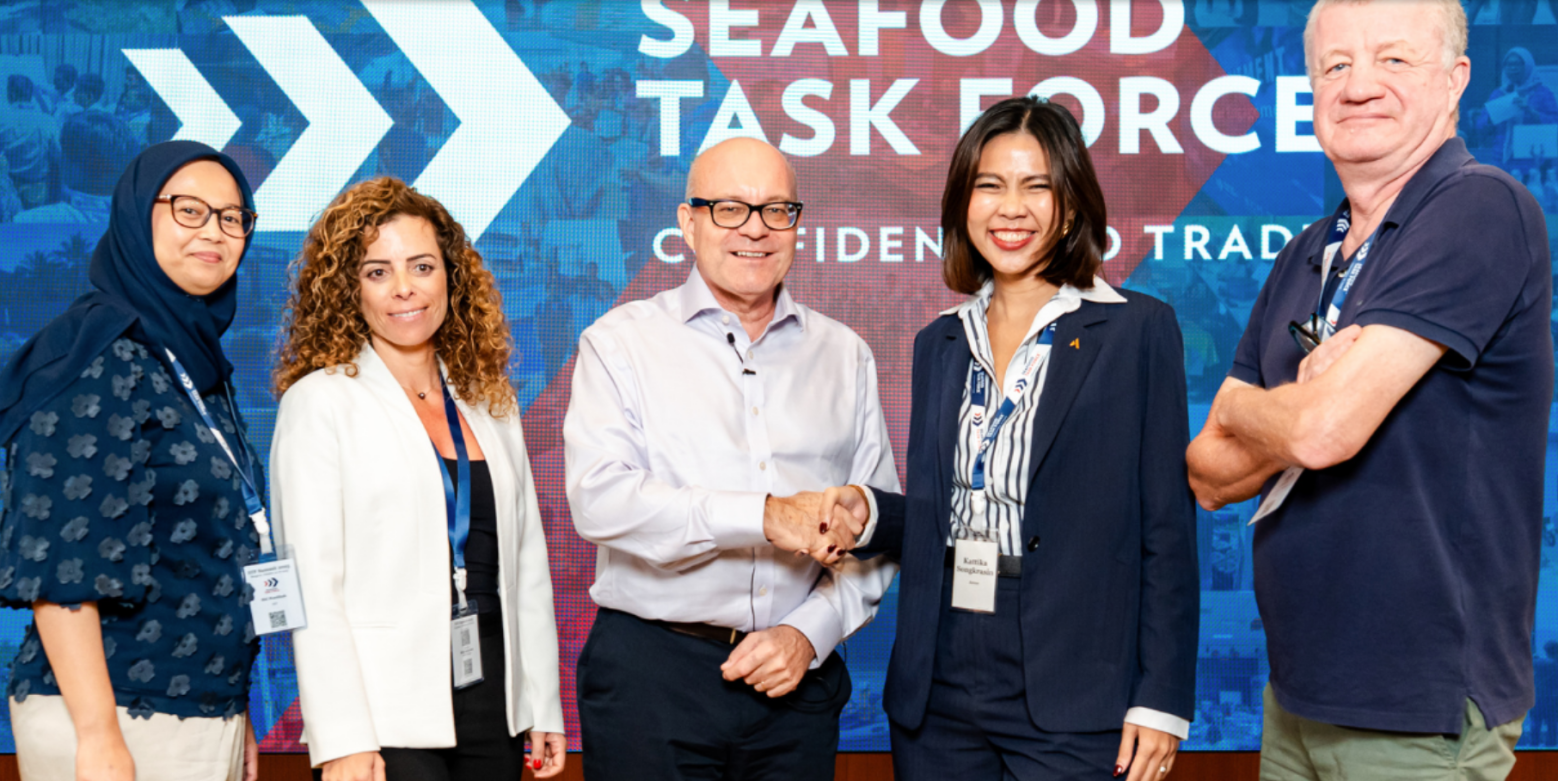
In a move that signals shifting expectations for the global hotel sector, Novotel has joined the Seafood Task Force, becoming the first hospitality brand to enter the influential coalition focused on cleaning up some of the world’s highest-risk seafood supply chains. The partnership marks a new chapter in how hotels approach seafood sourcing at a time when governments, NGOs and guests are increasingly scrutinising what ends up on menus.
The Seafood Task Force brings together more than 50 major retailers, seafood companies and suppliers in a bid to tackle human rights abuses, illegal fishing and traceability gaps in tuna and shrimp supply chains. Its work spans vessel oversight, labour standards, environmental risk and the creation of supply chain data systems that allow seafood to be traced “from vessel to plate”.
For hotels, these risks are no longer an abstract upstream issue. Regulators in the UK, EU and elsewhere are tightening human rights due diligence requirements and expanding modern slavery reporting rules. Foodservice companies that buy large volumes of seafood for restaurants, buffets, events and all-day dining are increasingly expected to prove that their procurement policies address environmental and social risks in the seafood sector.
As a global mid-scale brand with around 600 hotels across more than 60 countries, Novotel sits at the intersection of operational complexity, brand reputation and rising guest expectations. By joining the Seafood Task Force, it is positioning sustainable seafood sourcing as part of a broader ESG strategy rather than a niche culinary initiative.
The partnership will begin with a focus on tuna and farmed shrimp supply chains in Thailand, Vietnam and Indonesia, regions known for both environmental sensitivity and documented labour risks. The decision follows a mapping exercise that identified where Novotel’s largest seafood volumes overlap with the industry’s highest-risk geographies.
Working through the task force will place the brand at the same table as retailers, processors, importers and fishing and aquaculture businesses already active in the same supply chains. The STF’s working groups tackle issues that would be difficult for individual hotel brands to address alone, from vessel risk assessments and worker voice mechanisms to harmonised traceability requirements.
Novotel’s engagement fits into a broader ocean roadmap developed with WWF France in 2024. Under its Sustainable Seafood Principles, the brand has committed to removing more than 350 endangered species from menus by 2027, sourcing only MSC-certified wild seafood where possible, and using ASC or organic-certified farmed seafood for salmon and shrimp. It has also launched a fishery improvement project for Indian squid in Kerala, worked with digital platform Seafood Souq to track seafood across 19 Middle East hotels, and partnered with European suppliers to increase visibility into seafood origins.
For the Seafood Task Force, the addition of a hotel brand broadens its reach into the hospitality channel, a sector that has significant buying power but historically limited visibility into seafood supply chains. The organisation describes itself as the only global trade association where retailers, seafood brands and supply chain partners collaborate directly on improvements from vessel to plate.
The implications for hotel procurement and ESG reporting are considerable. As investigations continue to expose links between seafood products and issues such as forced labour, ghost gear, unsafe vessel conditions and overfishing, hotel groups face growing pressure to show exactly how their sourcing policies mitigate such risks. Membership in a multi-stakeholder platform allows brands to access detailed risk data, align procurement with recognised standards, and demonstrate participation in industry-wide efforts when reporting under modern slavery or due diligence frameworks.
Novotel has already rolled out ocean awareness training to staff across its global network and supports WWF projects on seagrass protection, ghost gear removal and marine turtle conservation. Over time, STF membership is expected to lead to clearer requirements for suppliers, more systematic data collection, and deeper collaboration with partners in Southeast Asia and other regions where supply chain challenges are most acute.
For the wider hotel industry, Novotel’s move will be closely watched. If the collaboration proves effective in strengthening traceability, labour conditions and environmental safeguards in high-risk seafood supply chains, other hotel groups may be encouraged to join similar initiatives. As scrutiny of seafood sourcing intensifies, what was once a specialist sustainability topic is quickly becoming a central operational concern for global hospitality businesses.