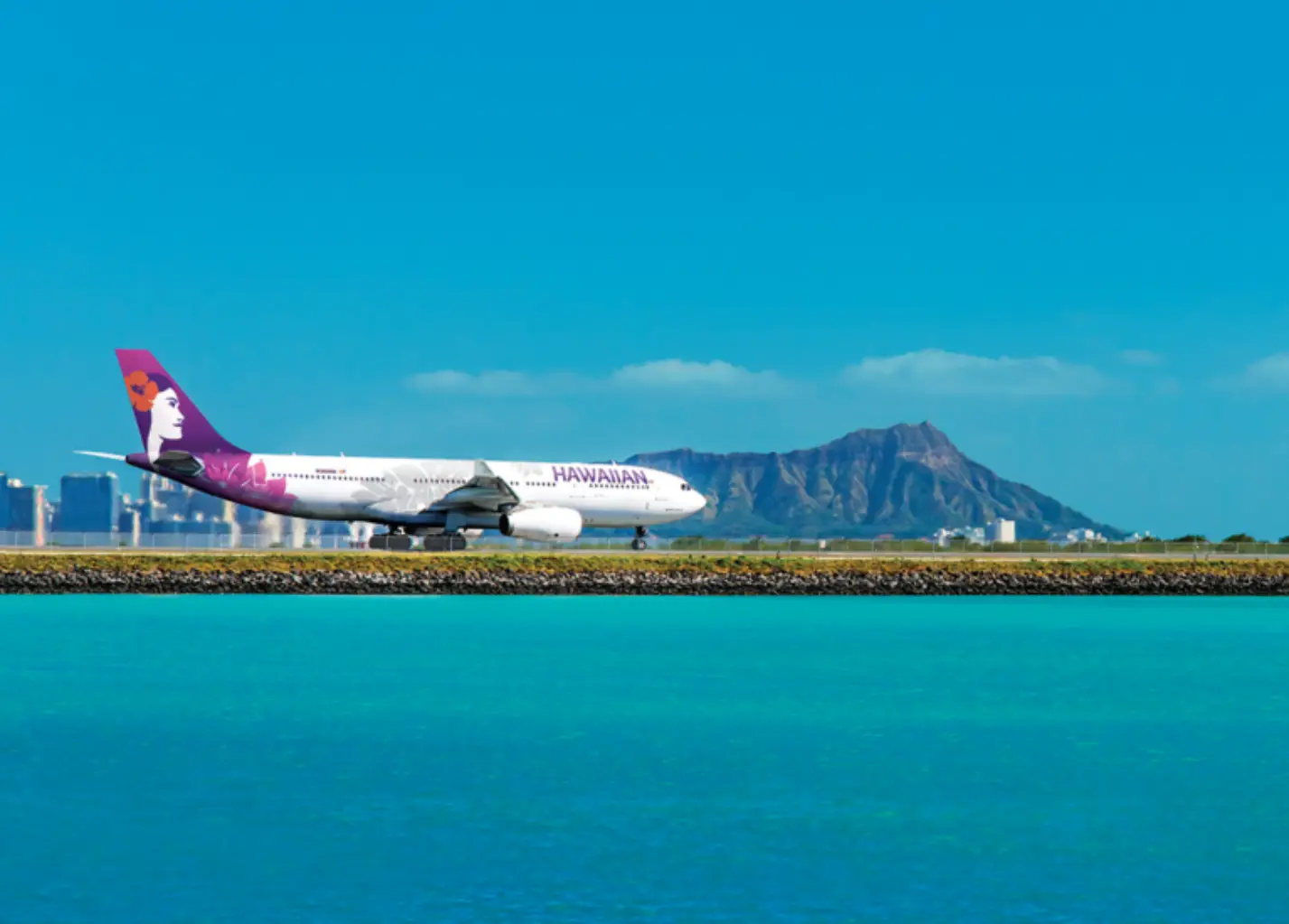
Hawaiian Airlines is ending free meals for economy passengers on most of its flights between Hawaii and the US mainland, marking the end of a long-running perk on one of America’s most recognisable airlines.
The carrier was the last operator in the United States to offer a free hot meal on all long domestic routes. The change affects most services on the airline’s longer mainland network and removes a feature that had set Hawaiian apart from many rivals for years.
The move is a symbolic shift in US air travel, where complimentary meals in economy have become increasingly rare on domestic flights. Hawaiian did not frame the change as a temporary measure, and the decision means the airline will no longer maintain the same meal service across all of its long-haul domestic routes.
For many travellers, the cut will be noticeable because Hawaii-to-mainland flights are among the longest domestic journeys in the country. Free meal service on those routes has often been seen as part of the carrier’s premium experience, even in economy class.
Hawaiian Airlines’ decision also highlights the broader pressure airlines face to trim costs while keeping fares competitive. Food service is one of the most visible areas where carriers can reduce expenses, especially on long routes where catering adds to operating costs.
Although some airlines still sell snacks or buy-on-board items, Hawaiian’s policy stood out because it covered all of its long domestic flights. The end of that service leaves fewer US routes where economy passengers can expect a full complimentary meal.
Travelers booked on the affected flights may now find different onboard options depending on route length and fare type. The airline has not said that every passenger will receive a replacement meal offer, and the change is likely to be felt most on flights connecting the islands with the mainland.
The decision carries extra weight because it affects a well-known brand in a market where passenger expectations have shifted sharply over the past decade. Once a standard part of long-haul flying, complimentary meals in economy now survive mainly on a limited number of premium or international services.
For US domestic passengers, the move is another sign that the in-flight experience continues to be pared back as airlines focus on efficiency. For Hawaiian Airlines, it ends a distinctive tradition that had helped define its service on some of the country’s longest flights.