Hawaiian Airlines is entering a new era. In partnership with Alaska Airlines, the carrier has announced the ambitious Kahu’ewai Hawai’i Investment Plan, a five-year, $600 million strategy designed to modernize infrastructure, elevate premium service and reinforce its competitive standing in global aviation.
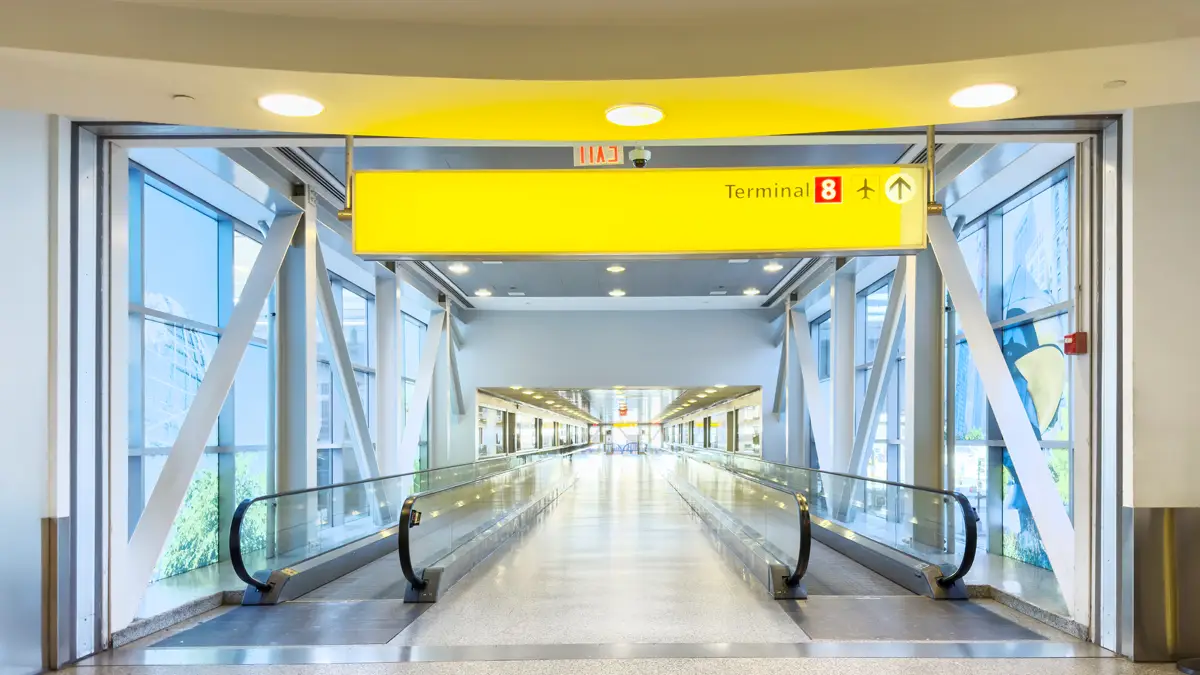
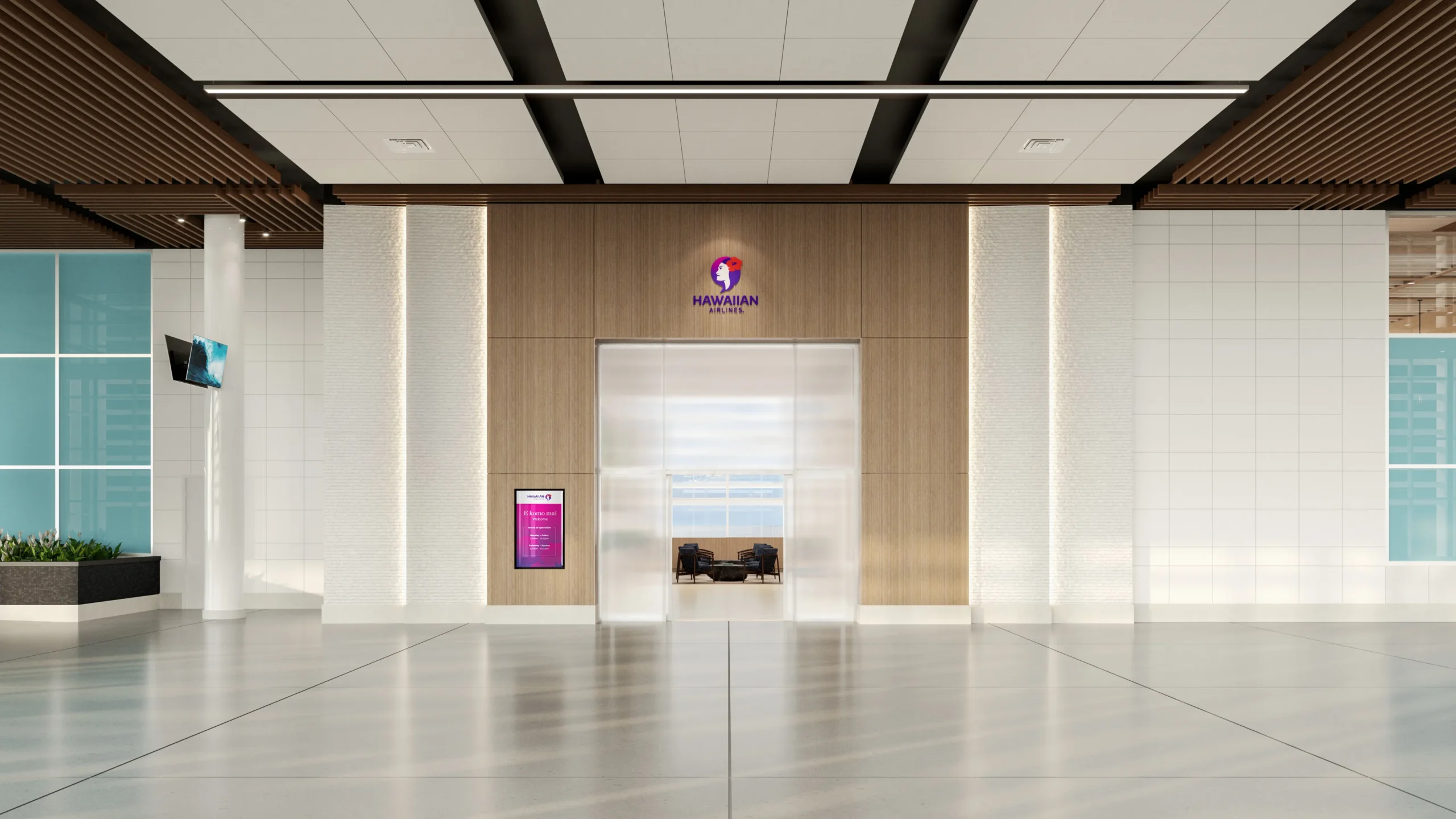
The plan extends well beyond aircraft interiors. Major renovations are slated for key Hawai‘i gateways, including Daniel K. Inouye International Airport, Lihue Airport, Kahului Airport, Ellison Onizuka Kona International Airport, and Hilo International Airport. Planned upgrades include refreshed lobbies, redesigned gate areas and enhanced passenger amenities intended to reflect the islands’ cultural heritage while improving operational flow.
Revamping the Airbus A330 fleet
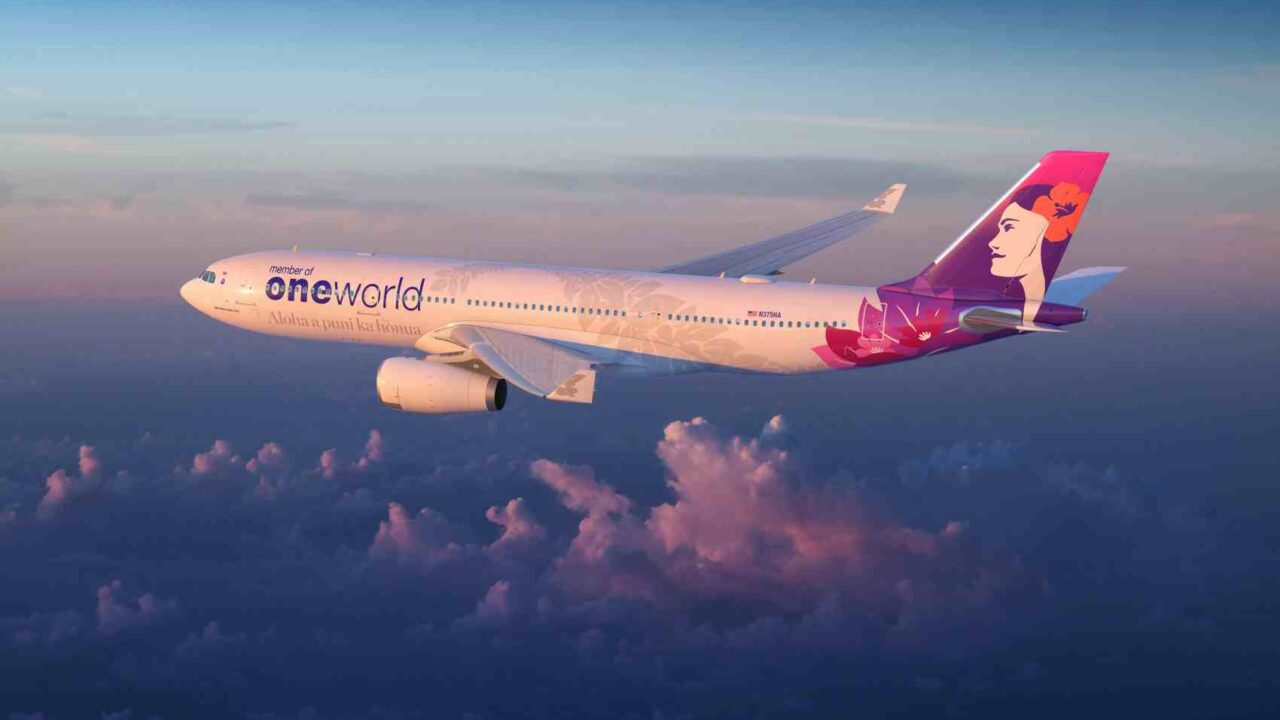
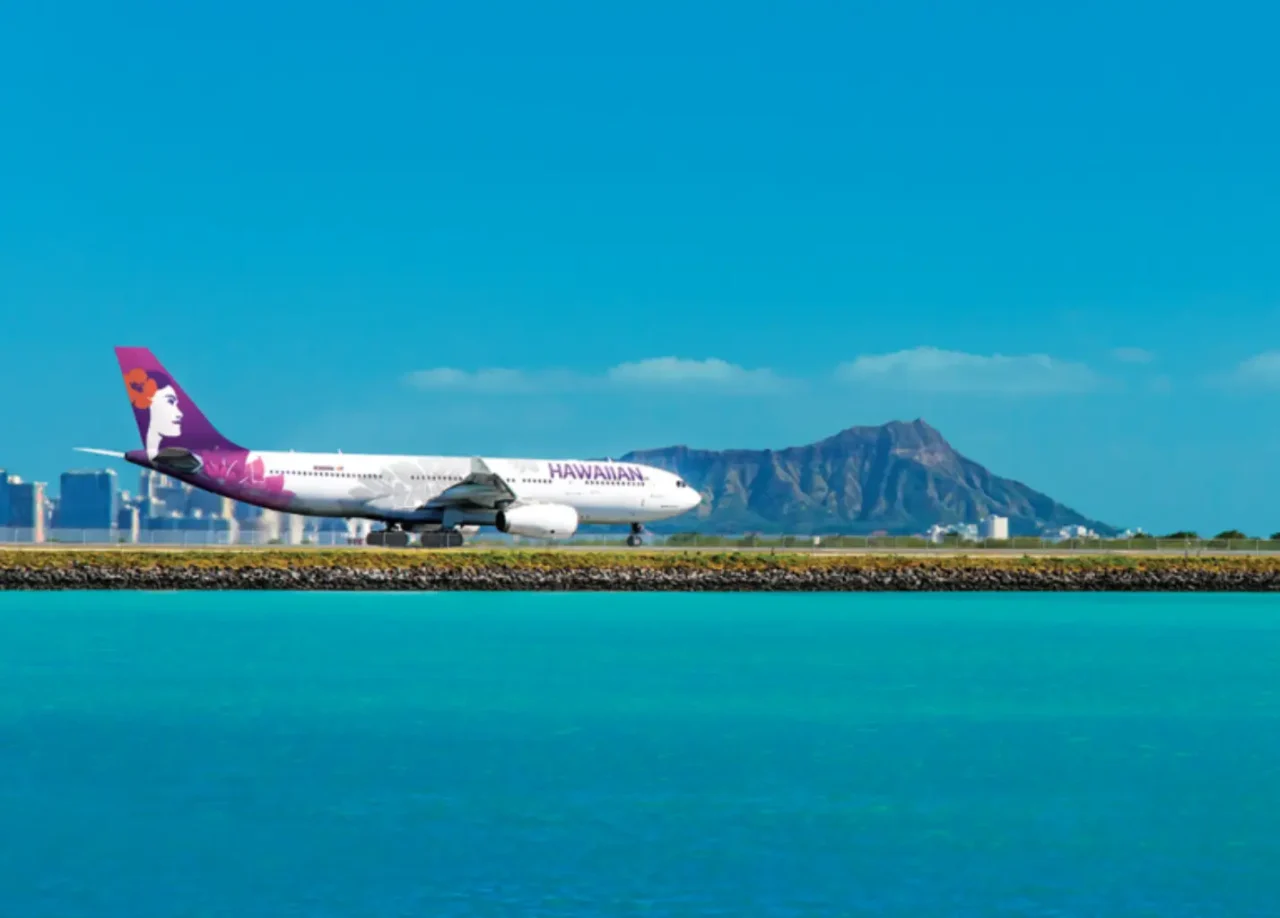
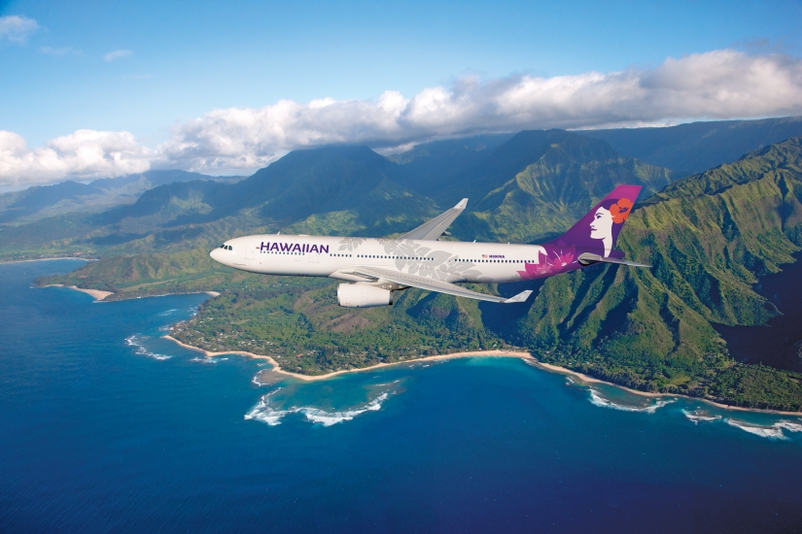
At the center of the transformation is the complete overhaul of Hawaiian Airlines’ Airbus A330-200 fleet. The airline currently operates 24 A330-200 aircraft, which have served as the backbone of its long-haul network since 2010. Configured in a 2-4-2 layout and typically seating 278 passengers, these aircraft are now approaching mid-life and due for modernization.
The upgrade program includes:
- New seating configurations across all cabins
- Redesigned premium suites in first class
- Updated lighting systems and soft furnishings
- Enhanced in-flight entertainment technology
The most significant change will be the conversion of the current 2-2-2 first-class layout into private, suite-style business cabins offering direct aisle access and increased privacy — aligning Hawaiian’s long-haul product with global premium standards.
Elevating comfort and premium positioning
The premium economy segment will also see a major refresh. Existing “Extra Comfort” seats will be replaced with wider, more reclined options offering enhanced personal space and upgraded amenities — a strategic move aimed at capturing growing demand in the mid-premium market.
In-flight technology will advance significantly, with Bluetooth connectivity, upgraded seatback systems and expanded content libraries. Enhanced dining concepts are also expected, reinforcing Hawaiian’s brand identity rooted in island hospitality.
Strategic implications
This investment arrives at a pivotal moment. Hawaiian Airlines’ integration within the Alaska Air Group strengthens its network depth, while its planned entry into the Oneworld alliance in 2026 expands global connectivity.
The fleet modernization and airport upgrades serve several strategic objectives:
- Defend and grow share on long-haul Pacific routes
- Compete more effectively with Asian, North American and Australian carriers offering lie-flat premium cabins
- Capture higher-yield travelers in business and premium leisure segments
- Reinforce Hawai‘i as a premium global destination
With international travel increasingly shaped by passenger experience rather than fare alone, Hawaiian Airlines is positioning itself to compete not just on route map, but on cabin sophistication.
Broader industry impact
The scale of this $600 million commitment reflects broader aviation trends. Airlines worldwide are reallocating capital toward:
- Premium cabin densification
- Cabin redesigns emphasizing privacy
- Technology-driven passenger personalization
- Airport environment enhancements
As carriers across the U.S., U.K., Canada and Australia intensify premium competition, Hawaiian Airlines’ transformation may signal a wider shift in Pacific aviation markets.
Projected outcomes
If executed successfully, the Kahu’ewai Hawai’i Investment Plan could deliver:
- Increased premium revenue per available seat mile
- Strengthened brand loyalty among high-value travelers
- Improved alliance feed traffic through Oneworld integration
- Enhanced operational synergies within Alaska Air Group
Beyond financial returns, the initiative reinforces Hawaiian Airlines’ identity — blending cultural authenticity with contemporary luxury.
For a carrier synonymous with island hospitality, this modernization represents more than a fleet refresh. It is a strategic repositioning designed to redefine how travelers experience Hawai‘i from the moment they step into the airport to the time they land across the Pacific.