
Syria is experiencing an unexpected aviation revival as international airlines increasingly route flights through its airspace, transforming skies once considered untouchable during years of conflict into one of the region’s busiest transit corridors.
New figures show nearly 12,000 flights crossed Syrian airspace in May, highlighting how rapidly changing geopolitical realities are reshaping global aviation networks.
The surge follows months of disruption across the Middle East that forced airlines to rethink traditional flight paths and search for faster, more cost-effective alternatives.
Flight Traffic Through Syria Surges
According to Syria’s General Authority for Civil Aviation, 11,801 aircraft transited Syrian airspace during May.
That represents a dramatic increase compared with the 4,267 overflights recorded in February before regional conflict intensified and created widespread disruption across neighboring airspace.
Compared with the same month last year, traffic volumes increased by approximately 375%.
The growth is particularly significant given that Syria’s skies remained largely avoided throughout more than a decade of civil war.
Regional Conflict Forces Airlines To Change Routes
Airlines began reassessing route networks after conflict involving Iran triggered disruptions across traditional Middle Eastern air corridors.
Temporary closures affecting Iraqi and Gulf airspace forced airlines to identify alternative pathways connecting Europe with major Gulf aviation hubs.
Although ceasefires and partial reopenings eventually restored access to some airspace, airlines increasingly continued using Syria because of operational advantages.
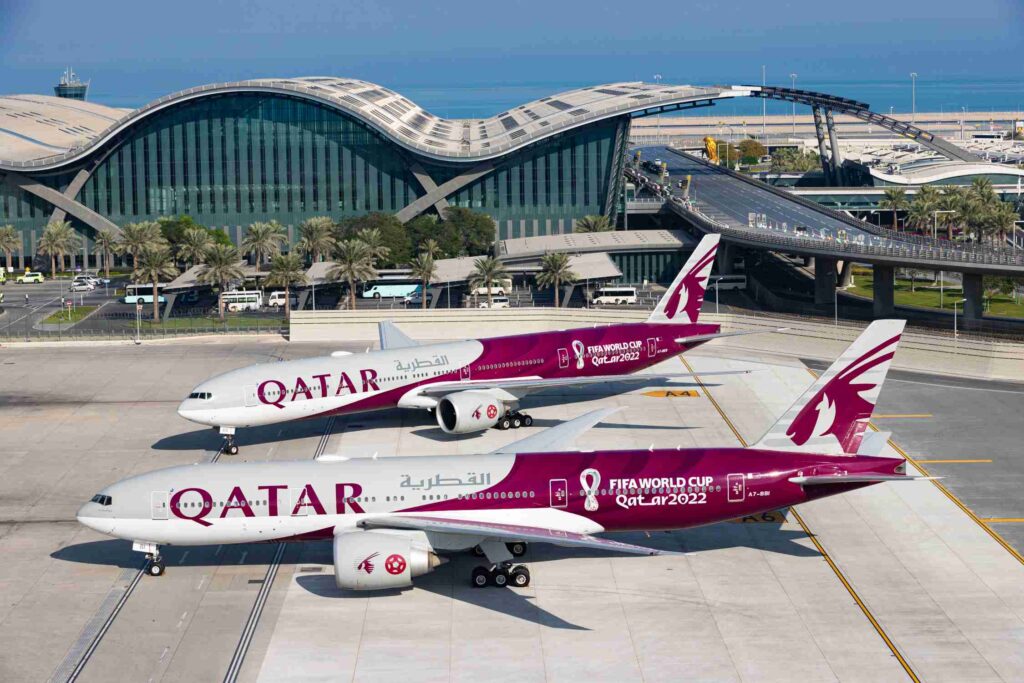
Flight tracking data suggests many services operating between Europe and major hubs such as Dubai and Doha now regularly cross central Syria rather than traditional Iraqi routes.
Shorter Routes Mean Lower Costs
For airlines, flying through Syria offers important economic advantages.
Shorter routing reduces flight times, lowers fuel consumption and helps offset rising operating costs created by higher oil prices and regional instability.
As airlines face increasing pressure to maintain profitability while minimizing operational disruption, efficiency gains have become increasingly valuable.
The return to Syrian airspace therefore reflects not only geopolitical changes but also financial realities shaping airline decisions.
New Revenue Opportunity For Syria
The growth in overflights could create a significant new revenue stream for Syria’s aviation sector.
Earlier this year, authorities introduced new overflight charges using a flat fee structure of approximately $499 per flight.
Based on May traffic volumes, overflight revenues could potentially approach $5.9 million for a single month.
Officials have not publicly commented on revenue expectations or long-term financial projections.
Aviation Networks Continue Adapting To Instability
The rapid return of aircraft to Syrian skies highlights how quickly aviation networks can change when geopolitical pressures alter traditional routes.
Only a short time ago, Syria remained one of the least accessible airspaces in global aviation.
Today, it is increasingly becoming a major transit corridor once again.
For airlines, the decision is largely operational. For Syria, however, the reopening of its skies could represent one of the country’s most significant economic shifts since conflict reshaped the region.