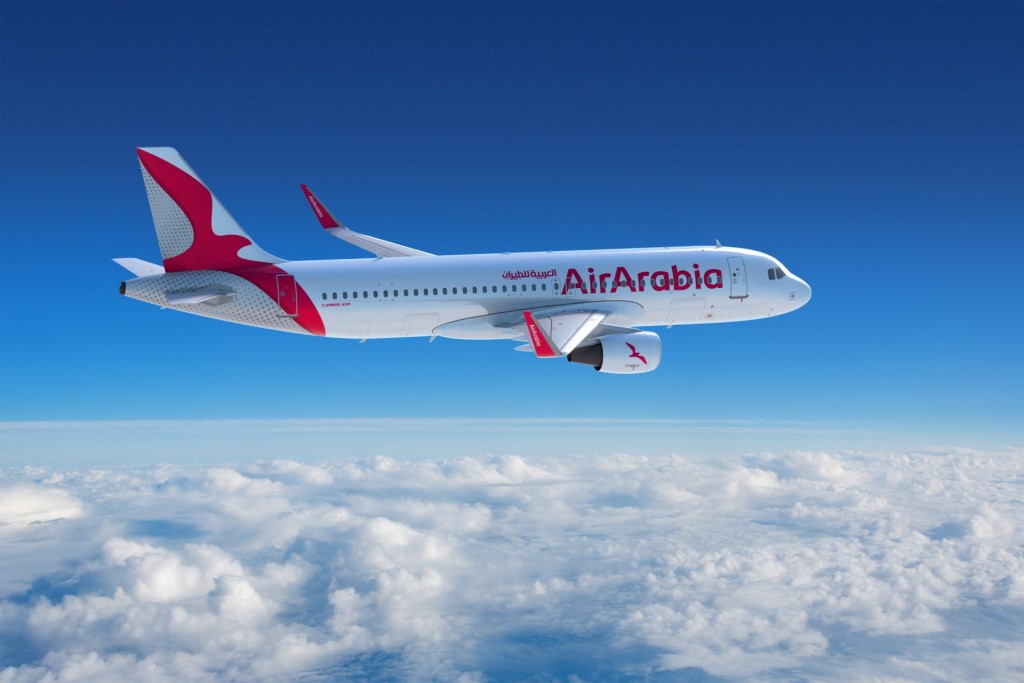
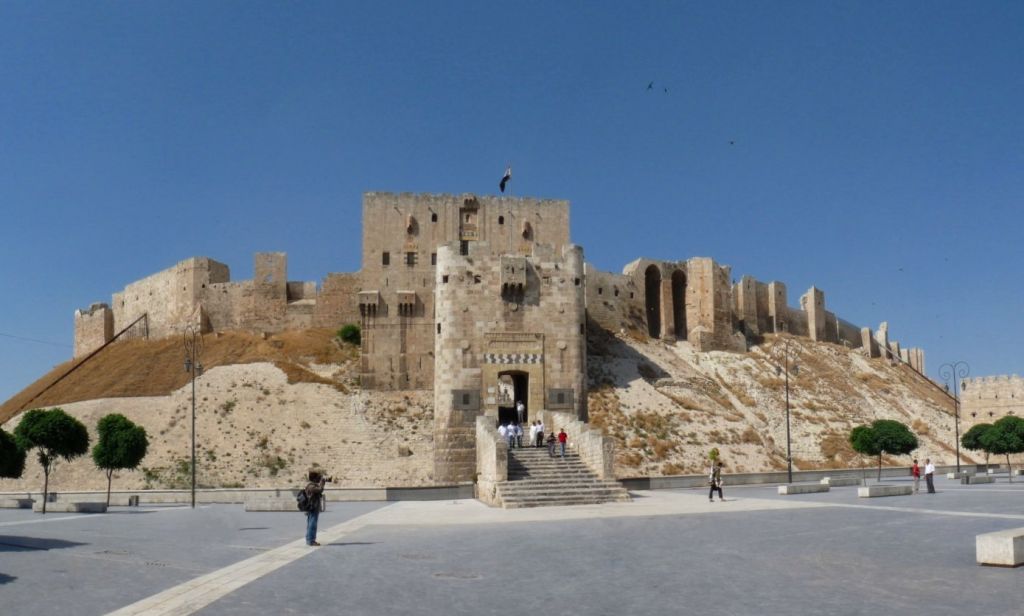
The new Aleppo service will operate three times a week between Zayed International Airport and Aleppo International Airport, giving Abu Dhabi a second direct gateway into Syria after Damascus. It also comes just weeks after Air Arabia separately announced the resumption of Sharjah-Aleppo flights, meaning the airline group is now building parallel Syria access from both of the UAE’s main Air Arabia hubs.
Why This Aleppo Launch Matters Beyond One More Route
On paper, this is a straightforward network addition by a budget airline. In practice, it is more significant than that. Aleppo has been largely absent from Gulf route maps for much of the past decade, and the return of scheduled links from the UAE points to a wider reopening of demand tied to family travel, diaspora movements, business visits and the gradual restoration of regional connectivity.
Air Arabia framed the move around rising travel demand between the UAE and Syria, and that is likely the key commercial driver. There is a large Syrian community in the Gulf, and direct links matter because they reduce reliance on connecting itineraries through third countries. For passengers, the appeal is obvious: a cheaper, simpler and faster option for reaching northern Syria from the UAE. For the airline, it is a chance to establish itself early on routes where demand may be recovering faster than capacity.
Damascus Goes Daily as Air Arabia Deepens Its Syria Bet
The Aleppo launch is only part of the story. Air Arabia Abu Dhabi will also increase its Damascus service to daily flights from 1 July 2026, up from four weekly frequencies. That matters because it turns Syria from a niche part of the Abu Dhabi network into a more structured year-round market with meaningful scale.
Seen together with Sharjah’s existing Syria flights, Air Arabia is effectively building a two-city Syria strategy from the UAE. It will serve both Damascus and Aleppo from Sharjah and Abu Dhabi, giving the group a broader spread of departure points and more flexibility to attract travellers from different emirates and catchment areas. That is a stronger proposition than a single route relaunch – it is the beginning of a network play.
Air Arabia Is Using Syria to Reinforce Its Position in Underserved Regional Markets
This is also classic Air Arabia strategy. Rather than chasing prestige long-haul routes, the airline tends to focus on regional and medium-haul markets where direct low-cost service can stimulate demand that may otherwise be fragmented, underserved or forced onto higher-cost alternatives. Syria fits that model well.
By moving early on Aleppo and adding more capacity to Damascus, Air Arabia Abu Dhabi is positioning itself as one of the most accessible and affordable options for UAE-Syria travel at a moment when connectivity is still rebuilding. The airline’s low-cost structure matters here, because these routes are unlikely to be driven purely by premium business traffic. They are more likely to rely on visiting friends and relatives traffic, small business travel and price-sensitive passengers – exactly the kind of segments a budget carrier can serve efficiently.
What the New Flights Mean for UAE-Syria Connectivity
The practical impact is simple: travellers between the UAE and Syria will have more direct options, more frequencies and a better spread of departure points. But the broader significance is that Syria is beginning to reappear more visibly on regional aviation maps, not only through isolated resumptions but through network expansion and frequency growth.
For Abu Dhabi, the Aleppo route strengthens Zayed International Airport’s role as a base for point-to-point regional traffic. For Syria, it is another small but important sign that international air links are gradually broadening again. And for Air Arabia, it is a calculated bet that the demand for affordable, direct travel between the Gulf and Syria is now strong enough to support a deeper push into the market.