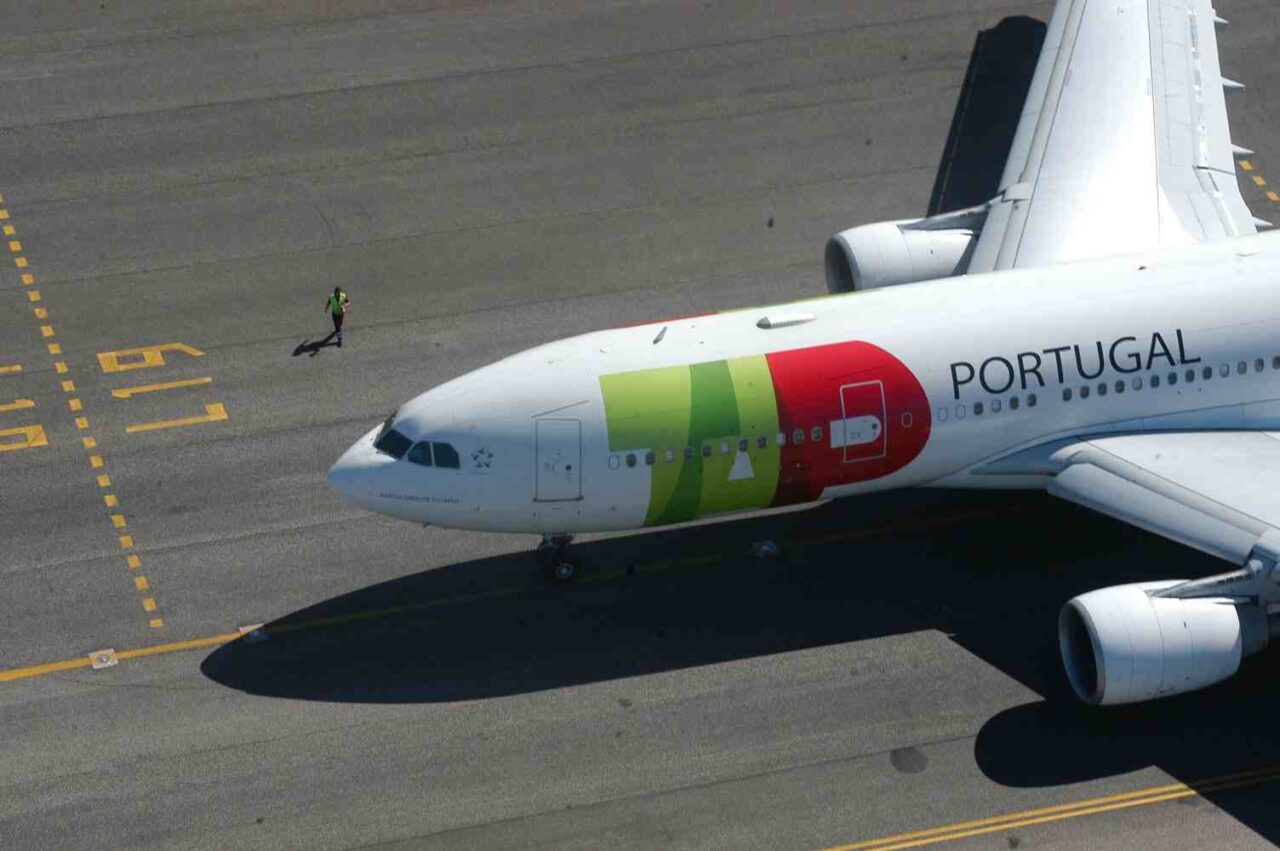
TAP Air Portugal has reported a sharp improvement in its financial performance for the first quarter of 2026, cutting losses as it moved into a decisive phase of partial privatisation. The Portuguese carrier said the result came at a moment of major importance for its future and for wider consolidation in the European airline market.
The airline said it significantly reduced its losses over the period. It also entered the next stage of a sale process that could shape its long-term ownership and strategy.
The developments put TAP at the centre of one of Europe’s closely watched airline restructuring stories. The carrier has long been seen as a potential target for deeper investment, and the latest quarterly figures arrive as the government prepares for a partial privatisation process that may influence the balance of power in the region.
TAP has spent years trying to stabilise its business after repeated setbacks in the aviation industry, including the pandemic shock and wider pressure on fares, costs and competition. The latest figures suggest progress on that front, with management appearing to balance recovery efforts against the demands of a sale process.
Partial privatisation is expected to be a key issue for TAP because of its size, route network and political significance in Portugal. The carrier links Lisbon with markets across Europe, the Americas and Africa, making it a strategic asset for both the state and any prospective investors.
The company has also become part of a broader debate about airline consolidation. Smaller national carriers across Europe have increasingly faced pressure to join larger groups or secure fresh capital in order to compete with bigger rivals, especially on dense short-haul routes and long-haul networks.
For TAP, the first-quarter numbers offer an early sign that the airline is improving operationally even as its ownership future remains unresolved. That combination could strengthen its position as talks over privatisation continue.
The carrier has not yet disclosed further details of the ownership timetable in the material provided. But the timing of the results suggests the airline is entering a crucial period in which financial performance and corporate control are likely to move in step.
If the privatisation advances as planned, TAP could become one of the most significant airline transactions in Europe this year. Investors and rivals will be watching closely to see whether the Portuguese government keeps control, sells a minority stake or opens the door to deeper strategic involvement.