The staircase was created alongside the Eiffel Tower itself during the late 19th century, long before elevators became part of the monument’s visitor experience.
Gustave Eiffel reportedly used the staircase almost daily to access his private office, which was located between the tower’s second and third levels.
Staircase Removed In 1983
The original staircase remained in place for nearly a century before being dismantled in 1983 during modernization works.
After removal, the structure was divided into 24 separate sections.
Several pieces were later distributed to museums and institutions around the world, while others entered private collections.
Fragments of the staircase are now displayed in locations including the Musée d’Orsay in Paris, Disneyland and the Yoshii Foundation gardens in Japan.
Auction Piece Comes From Private Collection
The staircase section now being offered for sale comes from a private collection owned by an anonymous collector.
According to the owner, the piece underwent restoration work in the same workshops responsible for maintaining the Eiffel Tower itself.
Industrial Design Heritage Adds Value
Beyond its direct connection to the Eiffel Tower, the staircase is also considered an important example of late 19th-century industrial design and engineering.
The exposed steel construction reflects the industrial architectural style that defined much of Europe’s engineering innovation during the period.
Eiffel Tower Memorabilia Continues To Attract Collectors
Authentic pieces connected to the Eiffel Tower remain highly sought after among collectors of historical architecture and industrial heritage.
Rare fragments of the landmark have periodically appeared at international auctions over recent decades, often attracting strong interest from museums and private buyers worldwide.
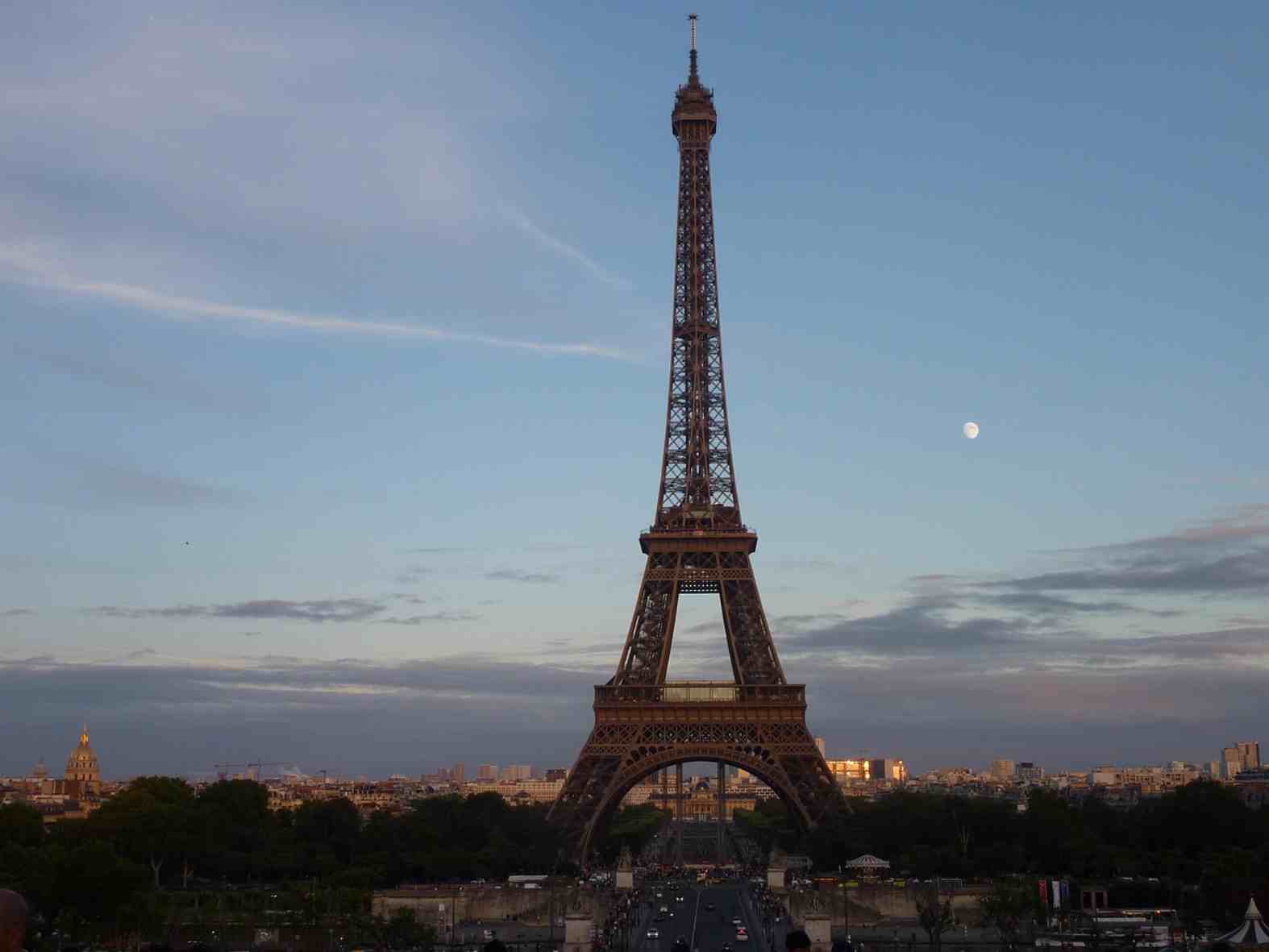
The Eiffel Tower itself remains one of the most visited monuments in the world and one of France’s most recognizable cultural symbols.