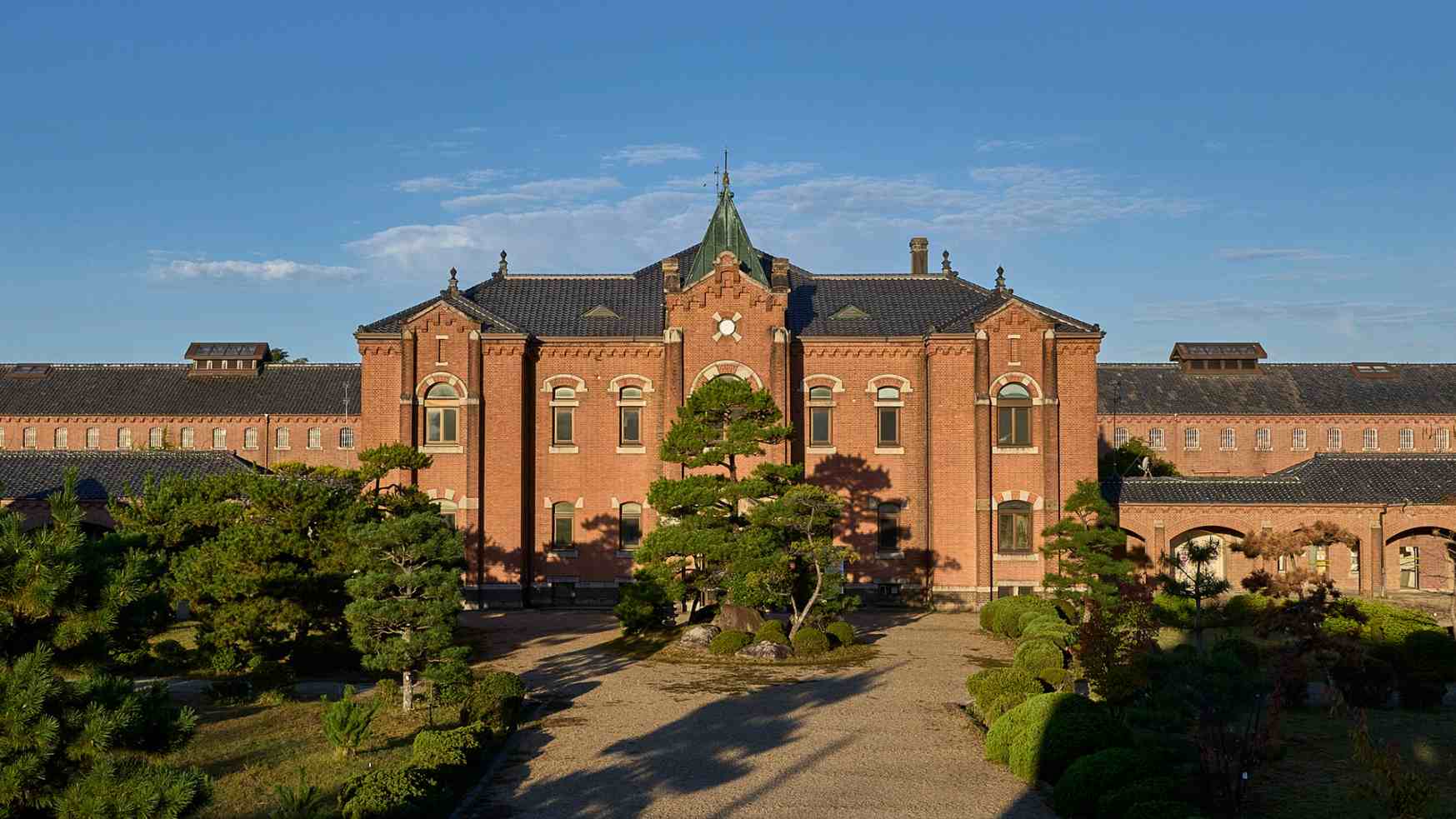
Japanese hospitality group Hoshino Resorts will open the country’s first luxury hotel inside a former prison, marking one of the most unconventional adaptive reuse projects in Japan’s tourism sector.
Hoshinoya Nara Prison is scheduled to launch on June 25, 2026, transforming a historic correctional facility into a high-end retreat that blends heritage preservation with contemporary design.
From Meiji-era prison to luxury retreat
The hotel is located in Nara, within close reach of major commercial centres in the Kansai region, positioning it as both a cultural destination and a convenient option for business travellers.
Originally constructed in 1908, the Nara Prison building received national cultural property status in 2017. It is the only surviving structure among the so-called Five Great Prisons of the Meiji era, a period spanning 1868 to 1912 that marked Japan’s rapid modernisation. The complex was designed by architect Keijiro Yamashita.
Suites built from former cells
The property will feature 48 luxury suites. Each suite will combine between nine and eleven former solitary confinement cells, creating expansive layouts that include separate bedrooms, living areas and dining spaces.
The former prison wing will be converted into a dining hall offering Japanese-French cuisine, integrating gastronomic refinement into the historical framework of the building.
Designers have preserved original brick walls and steel structural elements while introducing wood panelling, textiles and subdued lighting. The overarching concept reframes isolation as an opportunity for contemplation, aligning with the serene, introspective ethos associated with the Hoshinoya brand.
Cultural expansion nearby
Just ahead of the hotel’s opening, the Former Nara Prison Museum will open on April 27, allowing visitors to explore the building’s history and its role in Japan’s penal system before its transformation into a hospitality landmark.
Together, the museum and hotel create a hybrid cultural and luxury destination that positions heritage architecture as the foundation of experiential travel.