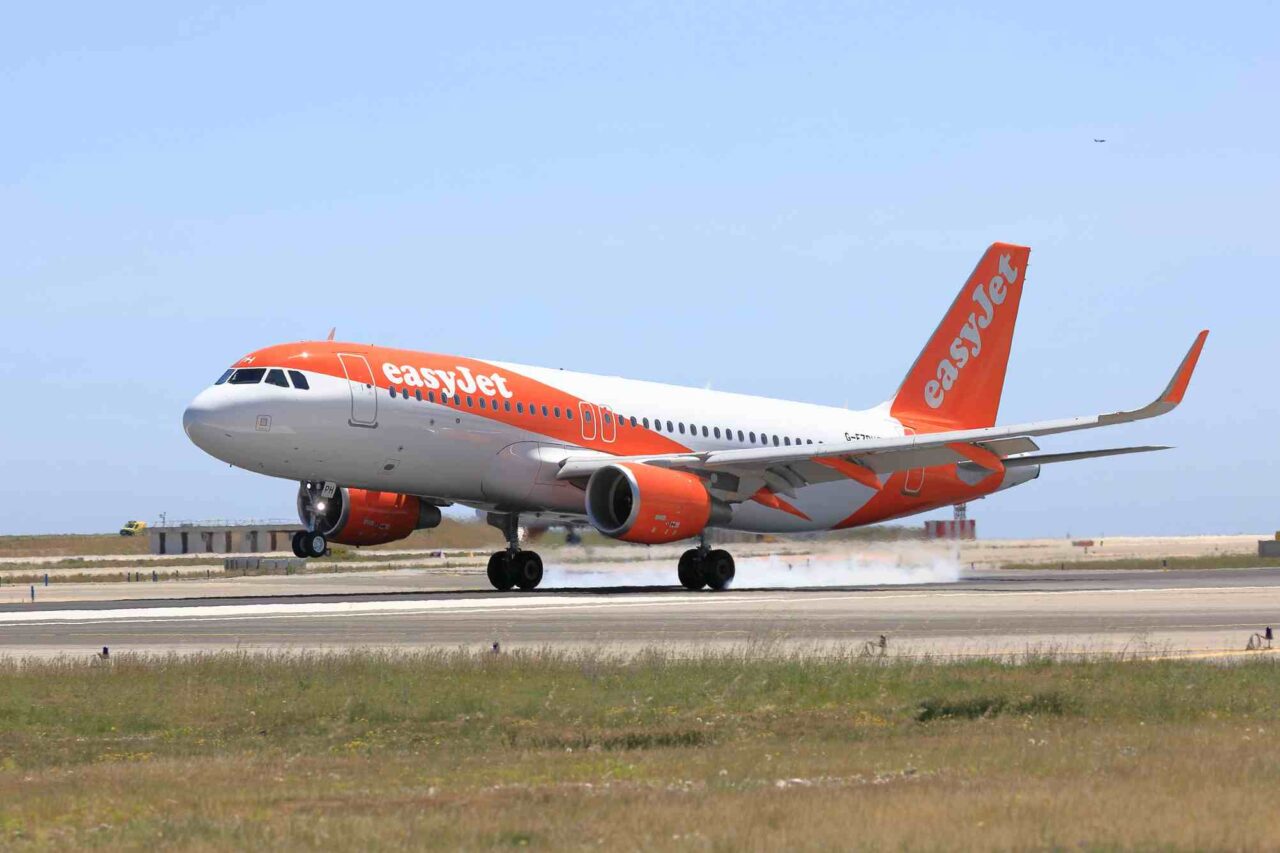

easyJet and easyJet Holidays say British travellers are rethinking how they holiday in 2026 – and the shift is being driven less by price and proximity, and more by purpose, passion and defining moments.
In a new travel trends report based on a survey of 2,000 UK holidaymakers, the airline and tour operator found that Britons are increasingly choosing destinations around cultural, sporting and nature-led events – from solar eclipses and pilgrimage routes to screen tourism inspired by books and TV series.
Rather than simply looking for the cheapest flight or the nearest beach, travellers are now building trips around experiences they feel are unmissable.
Longer short-haul flights become the new normal
One of the strongest trends highlighted in the report is the rise of “longer short haul” travel, with flights of five to six hours increasingly seen as the sweet spot between convenience and adventure.
easyJet says this is unlocking destinations that offer better value without requiring long-haul commitment. Tunisia, including the island of Djerba, continues to rise, with the airline reporting a 12% increase in flying to the country in 2026. Tbilisi is also emerging as a new city-break contender, boosted by new direct routes from the UK.
The airline also reports a 21% increase in flying to longer-leisure destinations such as Morocco, Turkey and Cyprus compared with last year.
2026 will be the year of astronomy tourism
The report suggests 2026 will mark a shift from astrology to astronomy, with “dark sky tourism” becoming one of the most distinctive travel behaviours – particularly among Gen Z travellers influenced by TikTok and a growing interest in astrophotography.
A key moment is the total solar eclipse on August 12, which will be visible from parts of Spain, including Valencia, Palma Mallorca and Ibiza.
Pilgrimage travel returns through younger generations
A spiritual revival is also emerging, with younger travellers increasingly drawn to pilgrimage routes across Europe.
The report highlights the rise of “Gen-P” travellers exploring historic journeys such as Santiago de Compostela and Lourdes, blending spirituality with culture, connection and meaning.
Screen tourism and literary travel are shaping destination choices
easyJet’s research also points to entertainment and storytelling playing a stronger role in where Britons plan to travel.
With the return of The White Lotus to Europe expected in 2026, the airline anticipates a new wave of screen-led travel around the south of France. Meanwhile, “canon country tourism” is encouraging travellers to visit places linked to classic literature and modern retellings – from Shakespeare’s Verona to Hemingway’s Pamplona.
More than a quarter of British holidaymakers (28%) say they would choose a destination based on TV, books or film.
Sport holidays evolve beyond stadium travel
The report also suggests major sporting events are shaping holiday decisions in new ways.
With the 2026 World Cup taking place across the Atlantic, easyJet expects many fans will opt for atmosphere closer to home, travelling to European fan zones rather than flying long-haul.
Meanwhile, the growth of padel and pickleball is creating a new category of sports holidays, particularly in Spain where padel’s popularity has surged. One in 10 Britons now say they try padel or pickleball while on holiday.
AI, VR and translation tech remove barriers
Technology is also playing a bigger role in travel planning and confidence.
Many travellers now want to “try before they fly,” using short-form video, vlogs or even VR experiences to preview destinations before booking. Language barriers are also falling, with nearly a quarter of Brits (22%) using translation technology abroad.
More than half (52%) say they plan to visit a new destination in 2026.
easyJet says behaviour is shifting across generations
The report also identifies clear generational and life-stage differences shaping travel.
Parents with pre-school children are travelling more before term-time restrictions begin, while “Home Alone” parents – whose adult children stay behind to house-sit or pet-sit – are rediscovering freedom to travel again.
easyJet leadership: holidays are becoming more intentional
Kenton Jarvis, easyJet CEO, said the airline is already seeing shifts in customer behaviour, including longer short-haul routes growing in popularity and technology making unfamiliar destinations feel more accessible.
Garry Wilson, CEO of easyJet Holidays, added that 2026 is shaping up to be a year where travellers want holidays to “count,” prioritising connection, wellbeing and experiences that can’t be recreated at home.
The report was co-authored by travel writer Nigel Thompson, who said holidays are increasingly shaped by what people care about, not just where they go.
“We’re seeing travellers plan around passions and purpose – whether that’s spirituality, culture, sport or nature,” Thompson said. “It looks like 2026 is about meaning as much as mobility, but value remains a key factor.”