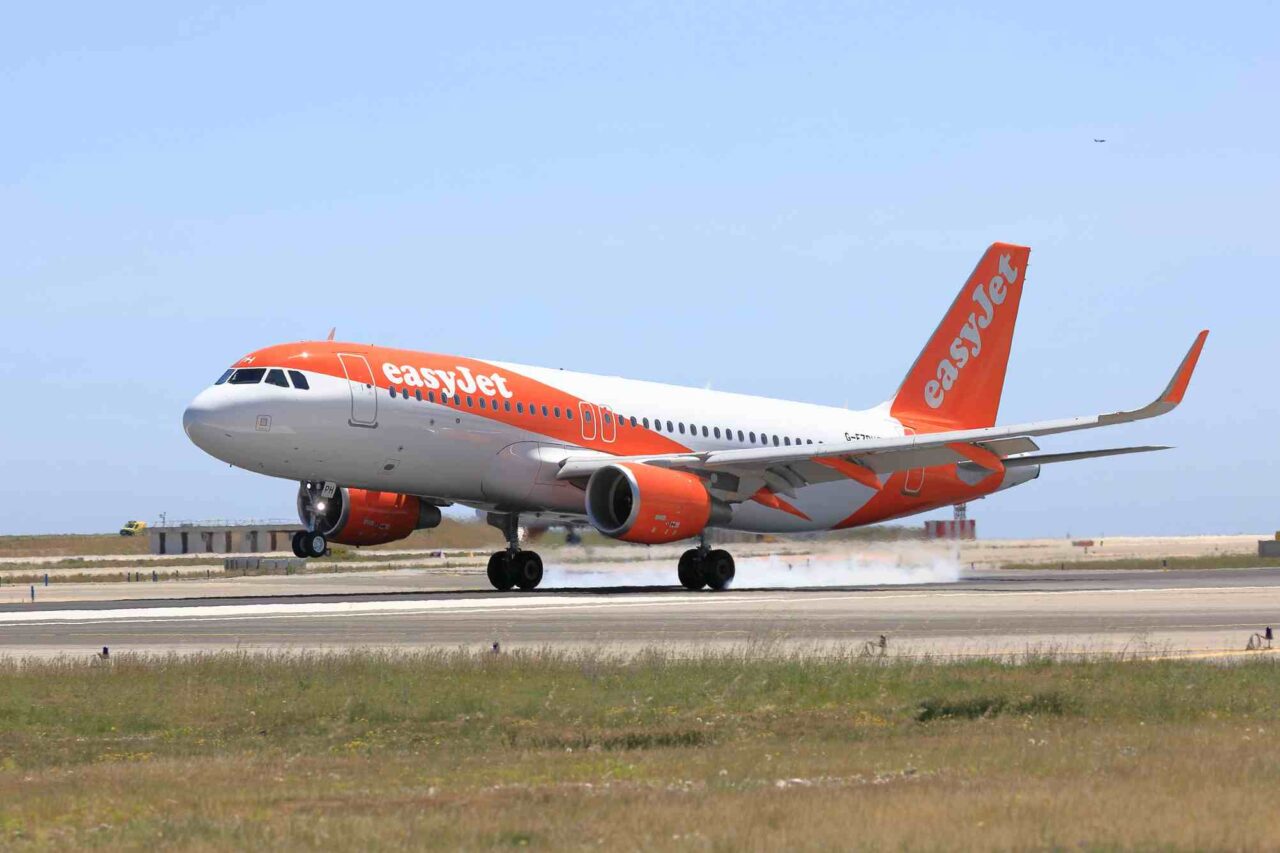
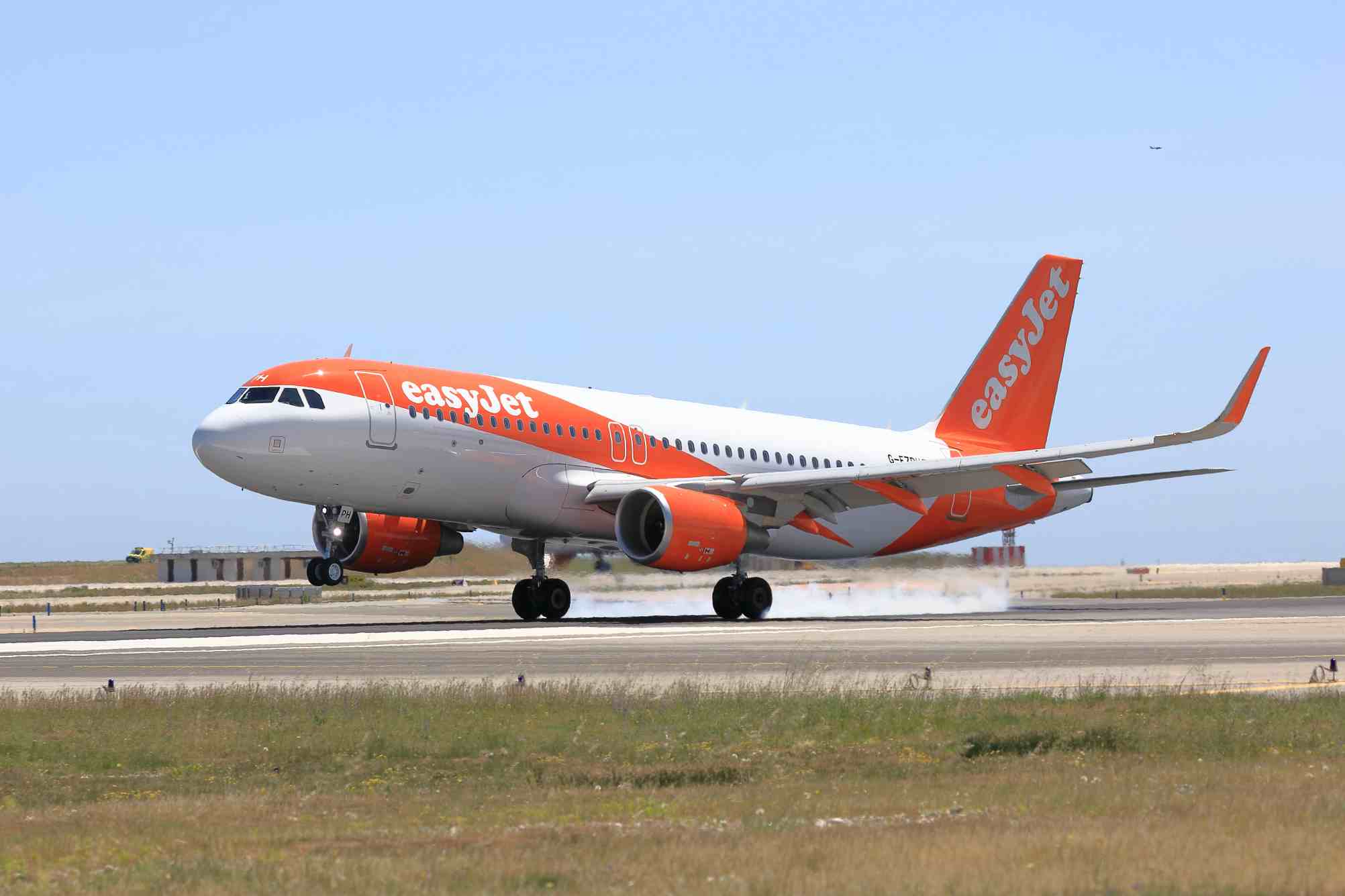
easyJet has reached a significant fleet milestone with the delivery of its 100th Airbus A320neo Family aircraft, reinforcing the airline’s long-term commitment to fleet modernization, operational efficiency and emissions reduction.
The aircraft was delivered at Airbus’ facility in Hamburg and joins easyJet’s all-Airbus fleet, which now consists of 359 aircraft. The latest addition forms part of the carrier’s broader strategy to replace older aircraft with newer, more fuel-efficient models while enhancing the onboard experience for passengers and crew.
Modern cabin upgrades for passengers
All newly delivered A320neo Family aircraft will feature Airbus’ latest Airspace cabin design. The updated interior includes improved lighting, refreshed cabin furnishings and redesigned lavatories aimed at creating a more comfortable and welcoming environment.
Accessibility enhancements have also been introduced, including braille indicators on seat row placards to help visually impaired passengers locate their seats more easily.
Passengers will benefit from increased shoulder room, improved cabin aesthetics and touchless lavatory features designed to improve hygiene standards. Cabin materials have also been selected with a greater focus on repairability and recycled content.
Crew facilities have been upgraded as well, with redesigned galleys providing additional storage space and dual ovens at both the front and rear of the aircraft.
Supporting easyJet’s decarbonisation goals
The new aircraft are powered by CFM International LEAP-1A engines and are capable of operating with up to 50% Sustainable Aviation Fuel (SAF) today, with a pathway towards 100% SAF capability by 2030.
According to Airbus, the A320neo Family delivers up to 20% lower fuel consumption and carbon dioxide emissions per seat compared with previous-generation aircraft. The aircraft also reduces noise levels by approximately 50%, helping lower the environmental impact of operations.
Digital systems powered by Airbus Skywise technology will further support operational efficiency through data-driven performance monitoring and maintenance planning.
Fleet renewal remains central to strategy
easyJet says fleet renewal continues to play a key role in its objective of reducing carbon emissions intensity by 35% by 2035. The airline is gradually replacing older aircraft with more efficient A320neo Family models as part of its near- and medium-term sustainability plans.
David Morgan, Chief Operating Officer at easyJet, described the delivery as a major milestone for the airline.
“The arrival of our 100th A320neo Family aircraft is a significant milestone for easyJet. These aircraft are at the heart of our strategy to operate a more efficient fleet and reduce our environmental impact, while continuing to enhance the travel experience for our customers and crews alike,” he said.
Additional efficiency measures underway
Alongside fleet modernization, easyJet is implementing a range of initiatives aimed at reducing operational emissions.
From 2028, the airline plans to introduce new ultra-lightweight Kestrel seats on future A320neo and A321neo deliveries. The seats are more than 20% lighter than current models and are expected to save over 40,000 tonnes of carbon dioxide annually while providing additional legroom for passengers.
The carrier is also fitting advanced sharklets to its A320ceo fleet, a modification expected to reduce fuel consumption and emissions significantly. Other initiatives include lighter aircraft paint, single-engine taxiing procedures, improved fuel planning systems and reduced use of auxiliary power units while aircraft are on the ground.
easyJet has additionally invested in Airbus-developed FANS-C navigation technology, allowing aircraft and air traffic control systems to share more accurate flight trajectory data. The technology is designed to reduce congestion, fuel burn and delays while improving overall operational efficiency.
Airbus partnership continues
The delivery highlights the long-standing relationship between easyJet and Airbus as the airline continues to modernize its fleet.
Johan Pelissier, President of Region Europe and Head of Commercial Europe for Commercial Aircraft at Airbus, said the milestone reflected a shared commitment to innovation and more sustainable aviation.
With 100 A320neo Family aircraft now in service and additional deliveries planned, easyJet is continuing to invest in newer technologies designed to lower operating costs, improve customer comfort and support its environmental targets over the coming decade.