There is a popular saying that the French gave the Côte d’Azur to international tourists while keeping the Atlantic coast for themselves. Spend a few days exploring western France, and it is easy to understand why. Unlike the crowded Mediterranean resorts, the Atlantic shoreline remains refreshingly authentic. Most visitors are French families—many from Paris and nearby Bordeaux—who return year after year to elegant seaside villas, charming guesthouses, and traditional coastal towns.
This quieter side of France offers a perfect combination of world-famous vineyards, historic cities, pristine beaches, fresh seafood, and a relaxed pace of life that feels distinctly local.
Bordeaux: The Perfect Starting Point
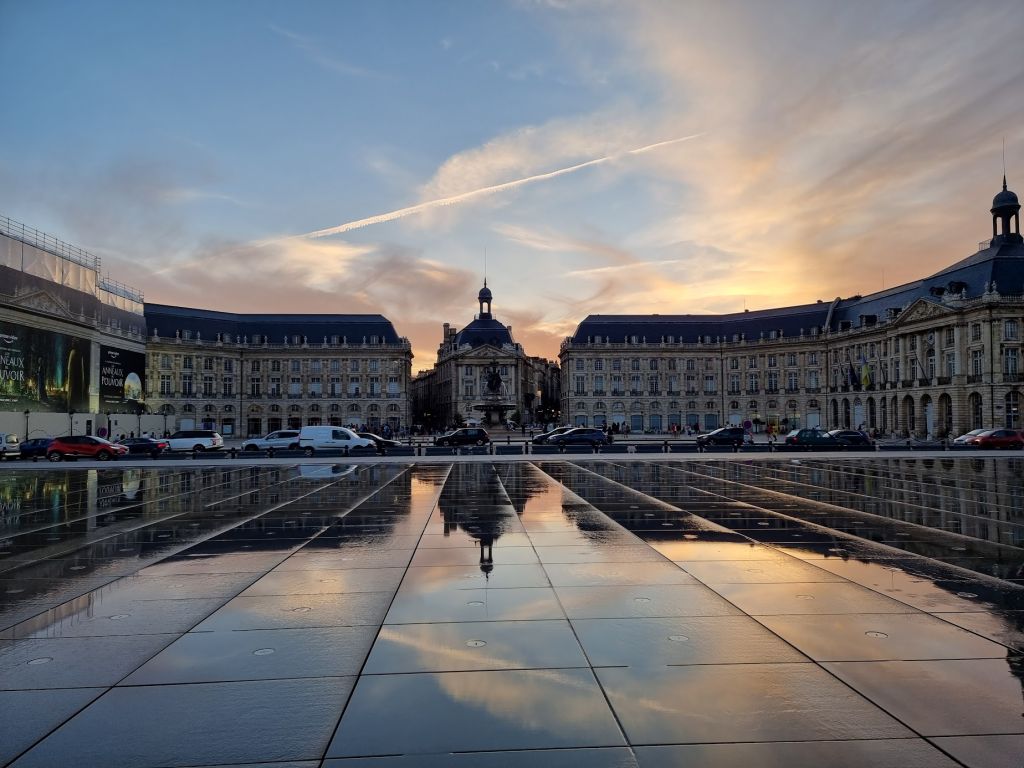
Bordeaux is the ideal gateway to France’s Atlantic coast. Thanks to its international airport, Bordeaux-Mérignac, it is easy to begin a road trip through one of France’s most celebrated regions. Renting a car at the airport is highly recommended, as it allows you to explore both the vineyards and the coastline at your own pace.
Before heading to the ocean, spend a few days discovering Bordeaux itself. One of the city’s highlights is La Cité du Vin, an innovative cultural center dedicated to the history, culture, and traditions of wine. Through immersive exhibitions and interactive experiences, visitors can explore how wine has shaped civilizations across the world before enjoying panoramic tastings overlooking the city.
From Bordeaux, venture into the legendary vineyards of Saint-Émilion, one of the world’s most prestigious wine regions and a UNESCO World Heritage Site. Beyond its celebrated Grand Cru wines, the medieval village itself is filled with cobbled streets, ancient churches, and charming wine cellars.
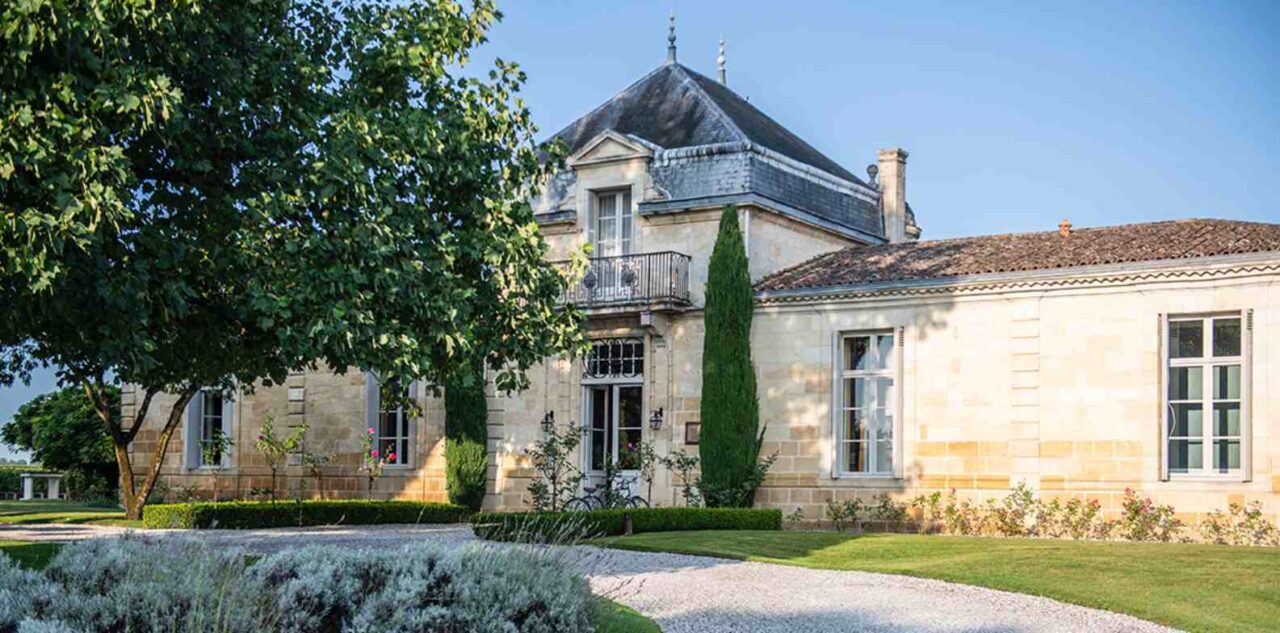
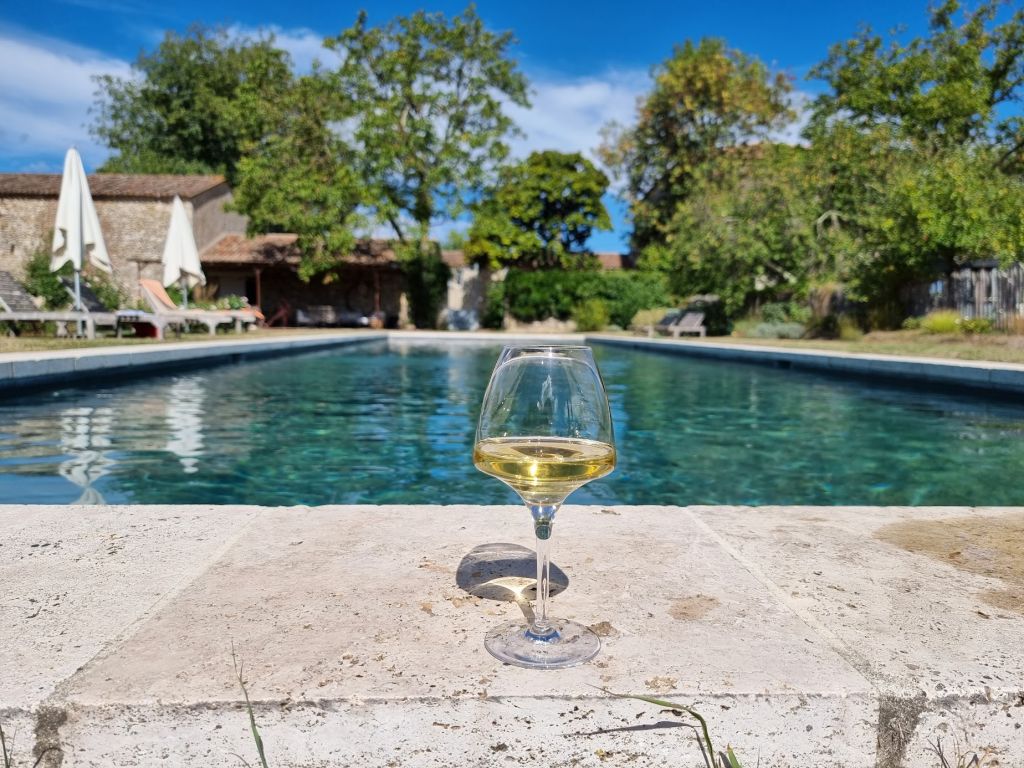
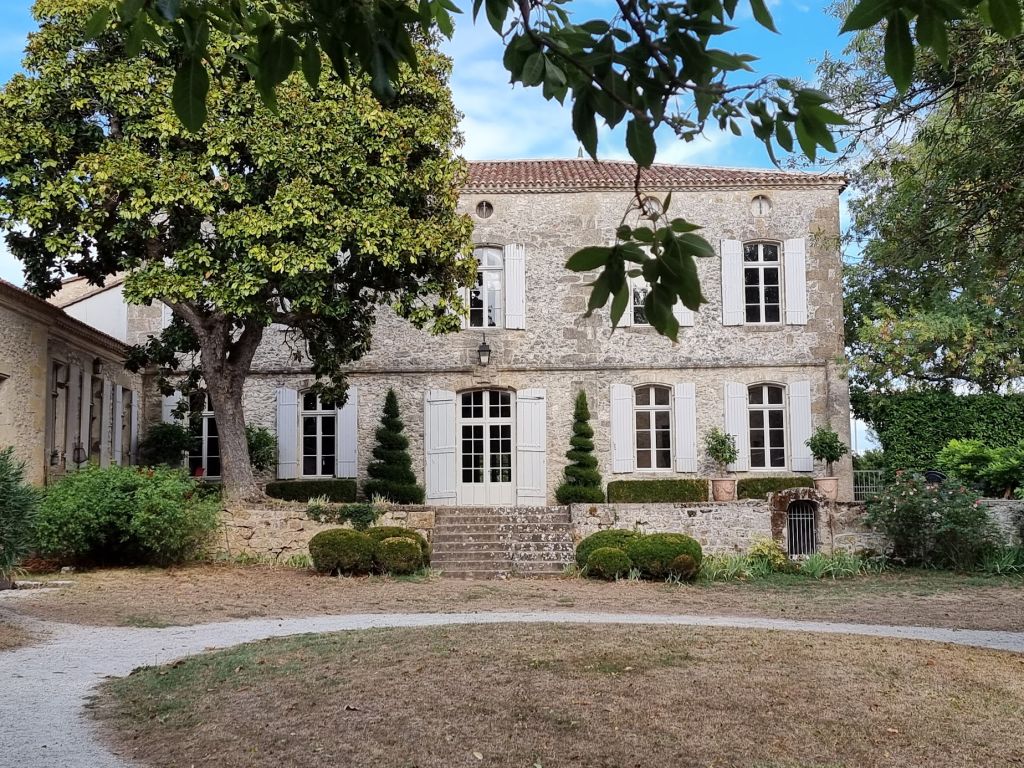
A wonderful base for exploring the surrounding vineyards is Château La Sepe, a traditional wine estate located just outside Saint-Émilion. Surrounded by approximately 20 hectares of rolling countryside, including 14 hectares of vineyards, the château offers visitors an authentic introduction to the region’s renowned red and rosé wines.
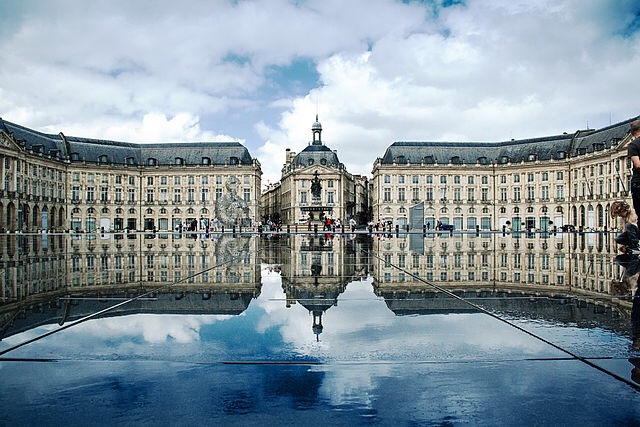
The best way to discover Bordeaux’s historic center is on foot. The city’s elegant streets, grand squares, and UNESCO-listed architecture are best appreciated at a leisurely pace, allowing time to admire its landmarks, cafés, and vibrant atmosphere.
To make sightseeing easier, consider purchasing the Bordeaux CityPass. Available in 24-, 48-, and 72-hour options, the pass provides free or discounted admission to many of the city’s museums, monuments, guided tours, and cultural attractions. It also includes unlimited travel on Bordeaux’s public transport network, including trams, buses, the Bat³ river shuttle, and park-and-ride facilities, making it a convenient and cost-effective way to explore the city.
From Vineyards to the Atlantic
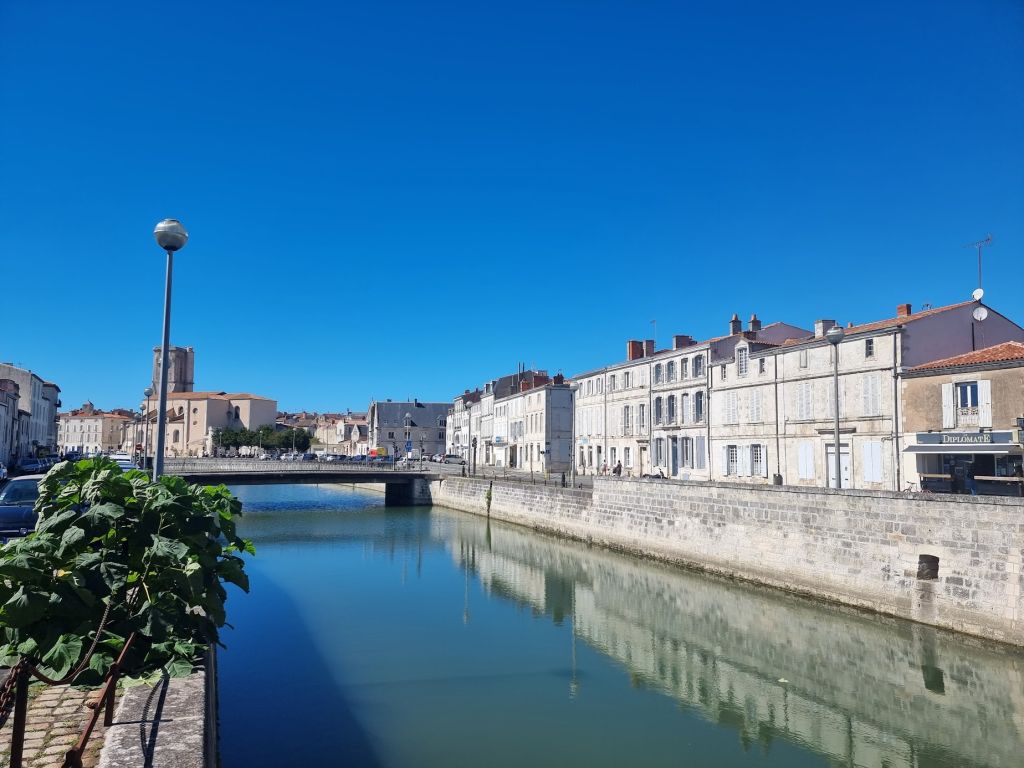
After discovering the rich flavours of Saint-Émilion, continue your journey northwest to La Rochelle, the historic port city immortalized in The Three Musketeers.
While La Rochelle’s picturesque harbour, medieval towers, and lively waterfront are certainly worth seeing, many travellers choose not to linger for too long. Instead, they head across the impressive three-kilometre bridge that connects the mainland to one of France’s most beloved islands.
Île de Ré: France’s Best-Kept Coastal Secret
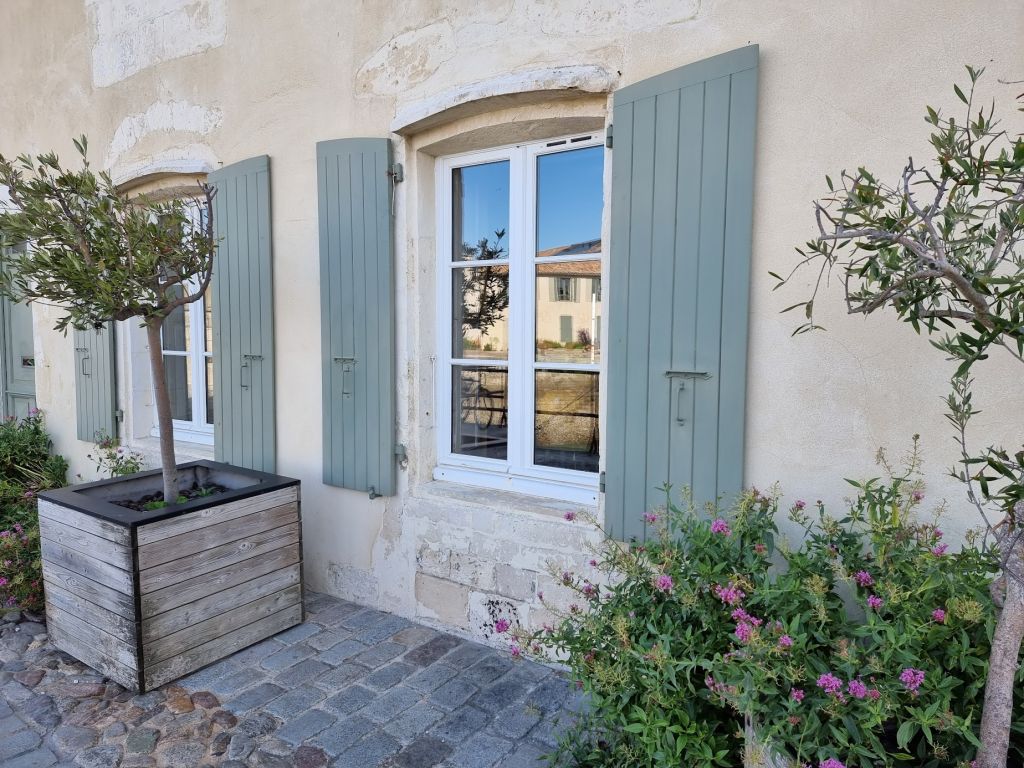
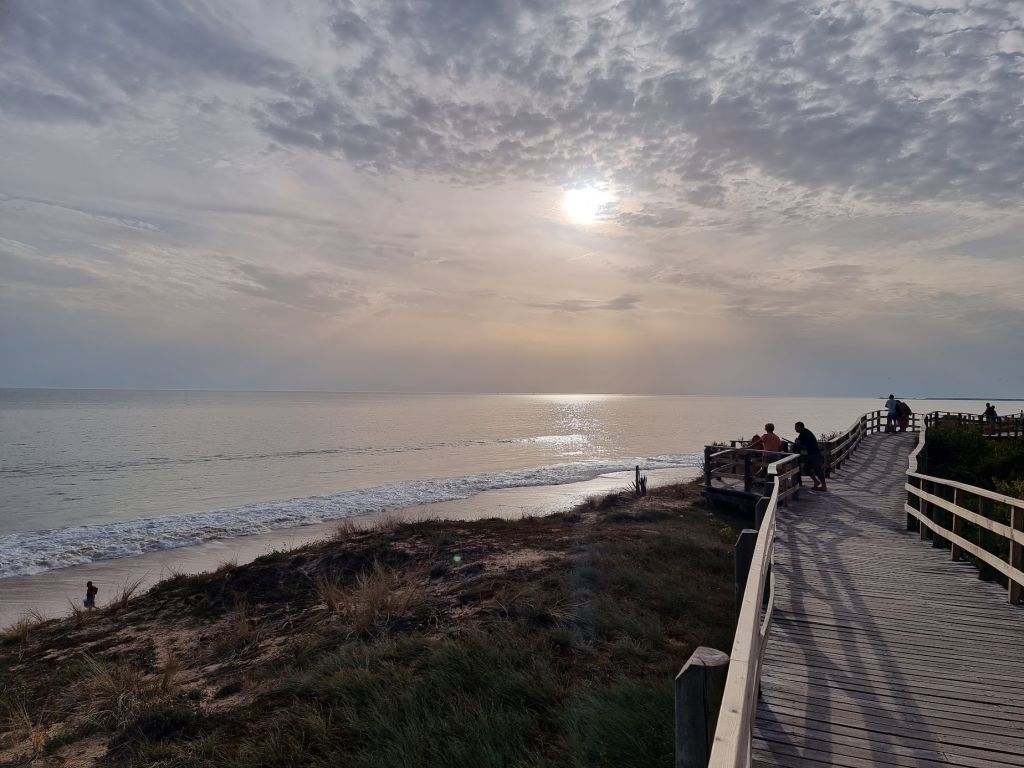
Île de Ré is where the Atlantic coast reveals its unmistakable charm. Life moves at a gentler rhythm among whitewashed fishing villages, oyster farms, salt marshes, and endless sandy beaches.
The island is peaceful without ever feeling sleepy. An exceptional network of cycling paths makes bicycles the preferred way to travel, connecting picturesque villages, vineyards, forests, and beaches. Every morning, colourful local markets fill the village squares with fresh seafood, seasonal produce, artisan cheeses, and regional delicacies.
Elegant boutique hotels, stylish restaurants, and sophisticated cafés attract a loyal French clientele, creating an atmosphere that is refined yet wonderfully unpretentious. It is the kind of destination where long seafood lunches, leisurely bike rides, and sunsets over the Atlantic naturally replace the stress of everyday life.
Saint-Martin-de-Ré
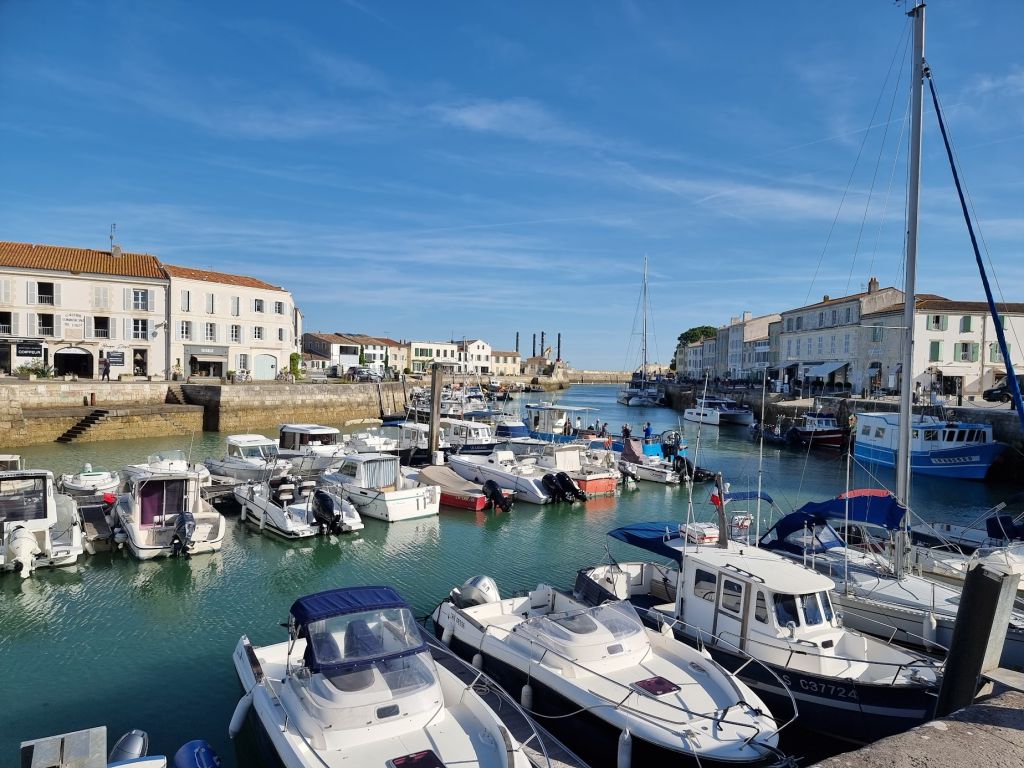
At the heart of the island lies Saint-Martin-de-Ré, the island’s historic and cultural capital. Surrounded by impressive 17th-century fortifications designed by Sébastien Le Prestre de Vauban, the charming harbour town is now a UNESCO World Heritage Site.
Its narrow cobbled streets are lined with cafés, boutiques, galleries, and restaurants overlooking a marina filled with sailing yachts. Whether you are enjoying freshly harvested oysters on the waterfront, browsing local artisan shops, or simply watching the boats come and go, Saint-Martin-de-Ré perfectly captures the understated elegance that has made France’s Atlantic coast a favourite holiday destination for generations of French travellers.