
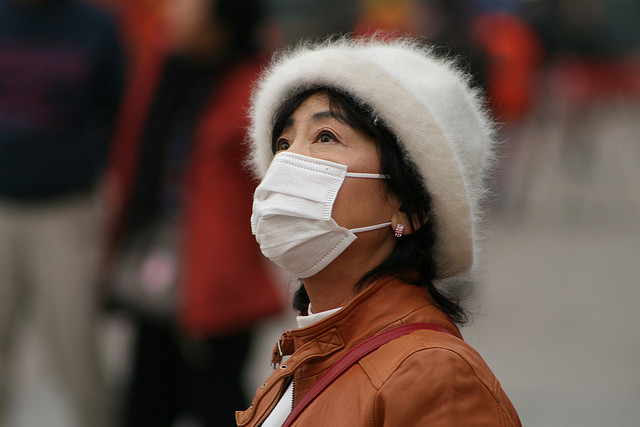
Pakistan recorded the most polluted air in the world last year, according to new data from Swiss air quality monitoring company IQAir, highlighting a growing environmental and public health challenge affecting millions of residents and visitors.
The report found that average concentrations of PM2.5 particles in Pakistan reached 67.3 micrograms per cubic meter, making it the worst-performing country in the global ranking. The figure is almost 13 times higher than the annual guideline established by the World Health Organization, which recommends a maximum average concentration of 5 micrograms per cubic meter.
The findings underscore the scale of air pollution across South Asia and reinforce concerns about the long-term health impacts associated with poor air quality.
Why PM2.5 Matters
PM2.5 refers to fine particulate matter measuring 2.5 micrometers or smaller. Because of their microscopic size, these particles can penetrate deep into the lungs and enter the bloodstream, increasing the risk of respiratory diseases, cardiovascular conditions and other serious health problems.
PM2.5 is widely regarded as the most important global indicator of air quality and is used by health authorities and environmental agencies to assess pollution levels and associated risks.
Long-term exposure to elevated concentrations has been linked to reduced life expectancy and increased rates of chronic illness.
Lahore Among The Hardest-Hit Cities
Air pollution remains a persistent problem across many parts of Pakistan, particularly in major urban centers such as Lahore. Seasonal smog events have become increasingly severe, often disrupting daily life and creating significant health concerns for residents.
Experts attribute the pollution crisis to a combination of factors, including industrial emissions, vehicle exhaust, coal use, agricultural burning and emissions from thousands of brick kilns operating across the country.
During periods of heavy smog, visibility can be significantly reduced, affecting transportation and increasing pressure on healthcare systems.
Countries With The Most Polluted Air
According to the IQAir ranking, Pakistan was followed closely by Bangladesh, which recorded average PM2.5 levels of 66.1 micrograms per cubic meter.
Tajikistan ranked third with 46.3 micrograms per cubic meter, followed by Chad at 45.4 and the Democratic Republic of Congo at 40.8. India placed sixth with an average concentration of 38.2 micrograms per cubic meter.
The ranking highlights the concentration of severe air quality challenges across parts of Asia and Africa, where rapid urbanization, industrial growth and energy-related emissions continue to contribute to elevated pollution levels.
Air Pollution Remains A Global Challenge
The report also revealed that air pollution is far from being confined to a handful of countries. According to IQAir, 91% of the countries analyzed failed to meet the World Health Organization’s recommended annual PM2.5 target.
The findings demonstrate that air quality remains one of the most significant environmental health challenges worldwide, affecting populations across both developed and developing economies.
What Travelers Need To Know
For travelers, poor air quality can create both health and logistical challenges. Severe pollution events can contribute to reduced visibility, which may lead to transportation disruptions and occasional flight delays.
Individuals with asthma, respiratory conditions or cardiovascular disease may be particularly vulnerable to the effects of polluted air. Health experts recommend checking local air quality data before departure, limiting outdoor activity during periods of high pollution and using high-quality protective masks when necessary.
As global awareness of air pollution grows, air quality is becoming an increasingly important factor for travelers when choosing destinations and planning international trips.