Germany’s long-delayed Stuttgart 21 rail project has suffered another major setback, with the opening of the new underground station postponed until the end of 2031 after railway engineers discovered extensive infrastructure errors.
The project, originally scheduled to open in 2019, is now expected to be completed more than a decade behind schedule, while costs have risen from an initial €4.5 billion to more than €11 billion.
Digital railway plans create costly problem
According to media reports, more than 1,000 kilometres of cables and pipelines were installed based on plans that assumed Stuttgart 21 would operate exclusively with the European Train Control System (ETCS), the digital signalling technology intended to make the station one of Germany’s first fully digital rail hubs.
However, Deutsche Bahn later concluded that freight trains without ETCS equipment will continue using parts of the network for many years. As a result, conventional railway signalling systems must remain in operation alongside the new digital infrastructure.
The discovery means significant sections of the communications and signalling network will now have to be redesigned and replaced, adding further delays and costs to the project.
Additional defects discovered
The cable issue is only one of several problems affecting Stuttgart 21.
Engineers have also identified defects involving platforms, station flooring and emergency power supply systems. In addition, approximately 450 extra railway signals must now be installed to support conventional train operations, a measure expected to cost around €45 million.
The combination of technical faults and redesign work has forced Deutsche Bahn to push back the station’s opening once again.
Project costs continue to climb
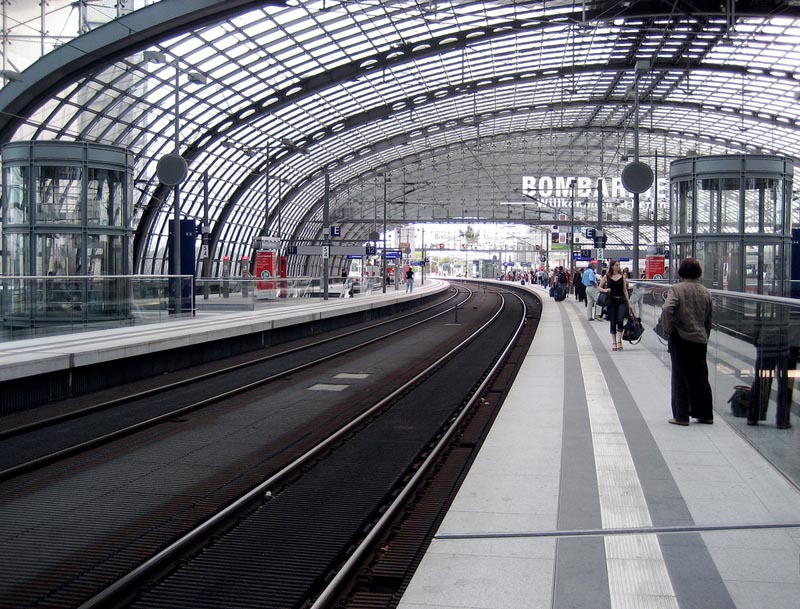
Stuttgart 21 is one of Germany’s most controversial infrastructure projects. Construction began with the aim of transforming Stuttgart’s rail network by replacing the city’s historic terminus station with an underground through-station designed to improve rail capacity and reduce travel times.
Since construction started, the project has faced repeated delays, cost overruns and political controversy.
The latest postponement further increases pressure on Deutsche Bahn, which is already facing criticism over project management and escalating costs.
Urban development plans affected
The delay also has consequences beyond the railway sector.
The City of Stuttgart previously purchased 109 hectares of land above the existing railway tracks for future residential development. Those plans cannot proceed until the old rail infrastructure is removed and the land is released for construction.
Because the project has repeatedly missed completion deadlines, Deutsche Bahn is reportedly required to pay ongoing financial penalties to the city.
With completion now pushed to late 2031, Stuttgart 21 remains one of Europe’s most expensive and delayed transport infrastructure projects, more than 12 years behind its original opening target.