Airlines are reworking classic comfort food to make it taste better at high altitude, where dry cabin air and lower pressure can dull flavour and change the way food feels on the tongue.
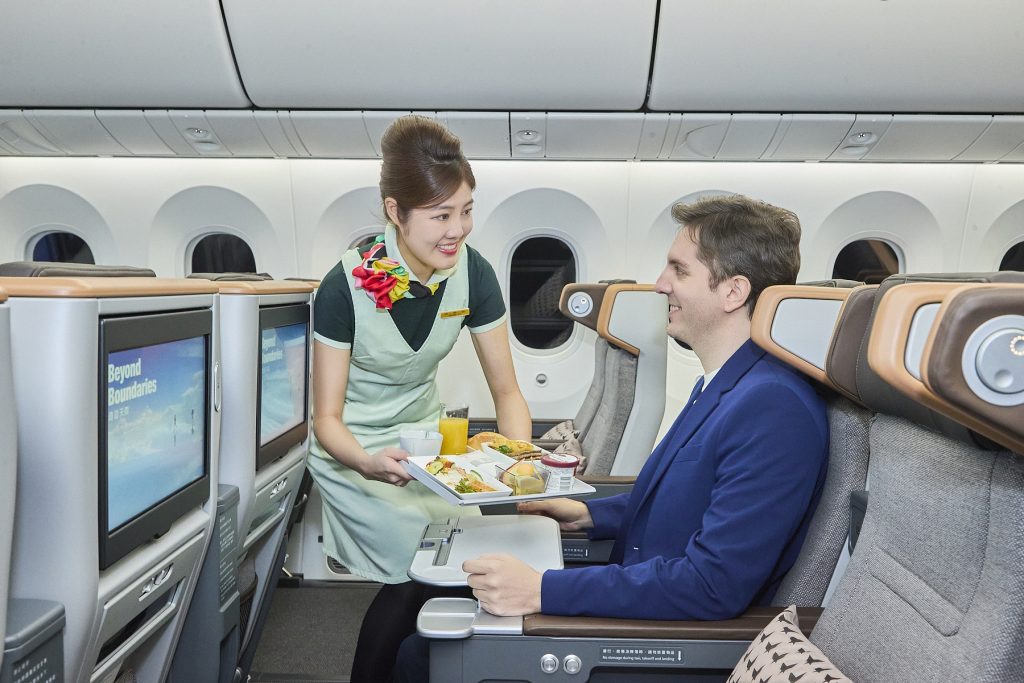
The shift is part of a wider effort by carriers to improve the onboard dining experience without adding major weight, cost or complexity. Chefs and food teams are adjusting recipes, ingredients and cooking methods to keep meals appealing after they are reheated in the air.
The changes affect familiar dishes such as pasta, curries, stews and desserts, which often need more seasoning, richer sauces or firmer textures to survive the journey from galley to tray table.
Airline catering has long faced a basic challenge: food that tastes balanced on the ground can seem flat at 35,000 feet. Reduced humidity inside the cabin can make travellers less able to detect salt and sweetness, while engine noise and pressure shifts can also affect flavour perception.
That has pushed airlines and their suppliers to rethink menu planning from the earliest stages. Some are increasing the use of umami-rich ingredients, while others are turning to stronger spices, citrus, herbs and slow-cooked sauces to restore depth.
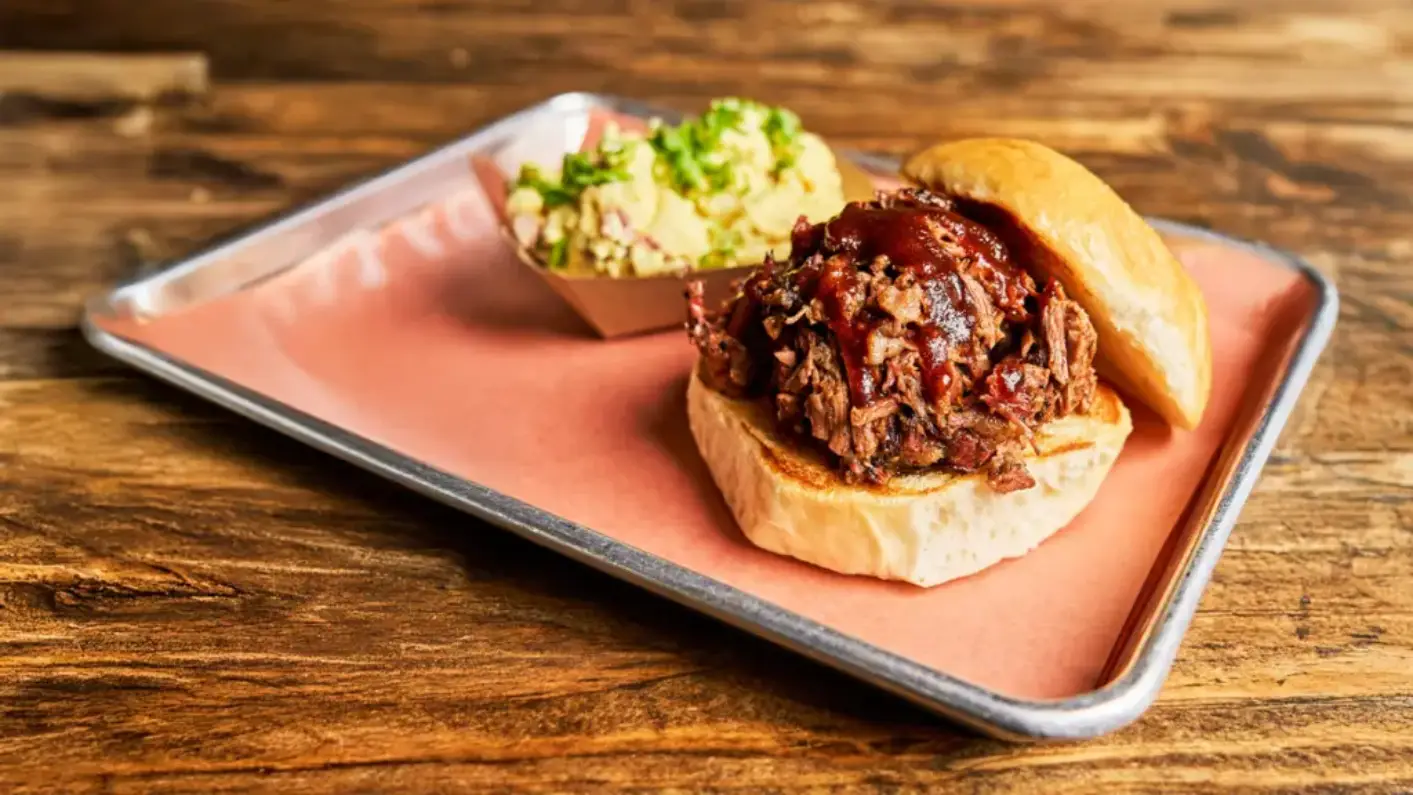
Comfort food remains central because it is familiar, widely appealing and often easier to scale for thousands of passengers. But the modern version is usually lighter, more carefully seasoned and designed to hold its texture after transport, storage and reheating.
Aircraft cabins create a difficult environment for food service. Dry air can reduce the sensitivity of taste buds, especially for sweet and salty flavours, which means meals often need more intense seasoning than the same dish would need in a restaurant.
Chefs also have to consider how different ingredients react to reheating. Pasta can soften, rice can dry out, pastry can go soggy and sauces can split, so recipes are frequently adjusted to avoid those problems before the meal ever leaves the kitchen.
The result is a growing industry in airborne catering that blends hospitality, food science and logistics. Airlines want passengers to remember a satisfying meal as part of the journey, not just as a necessity between take-off and landing.
For travellers, that can mean classic dishes served in a more deliberate form. A tomato-based pasta may arrive with extra richness, a stew may use deeper seasoning and a dessert may be chosen for texture rather than delicacy.
The trend also reflects the broader competition among airlines to differentiate the flying experience. While seat comfort and punctuality remain important, onboard food continues to be one of the most visible ways a carrier can signal quality.
As airlines continue to look for ways to improve satisfaction, the humble comfort meal has become a testing ground for innovation. The aim is simple: make food that still tastes good after it has travelled thousands of miles and crossed into an environment where taste itself changes.