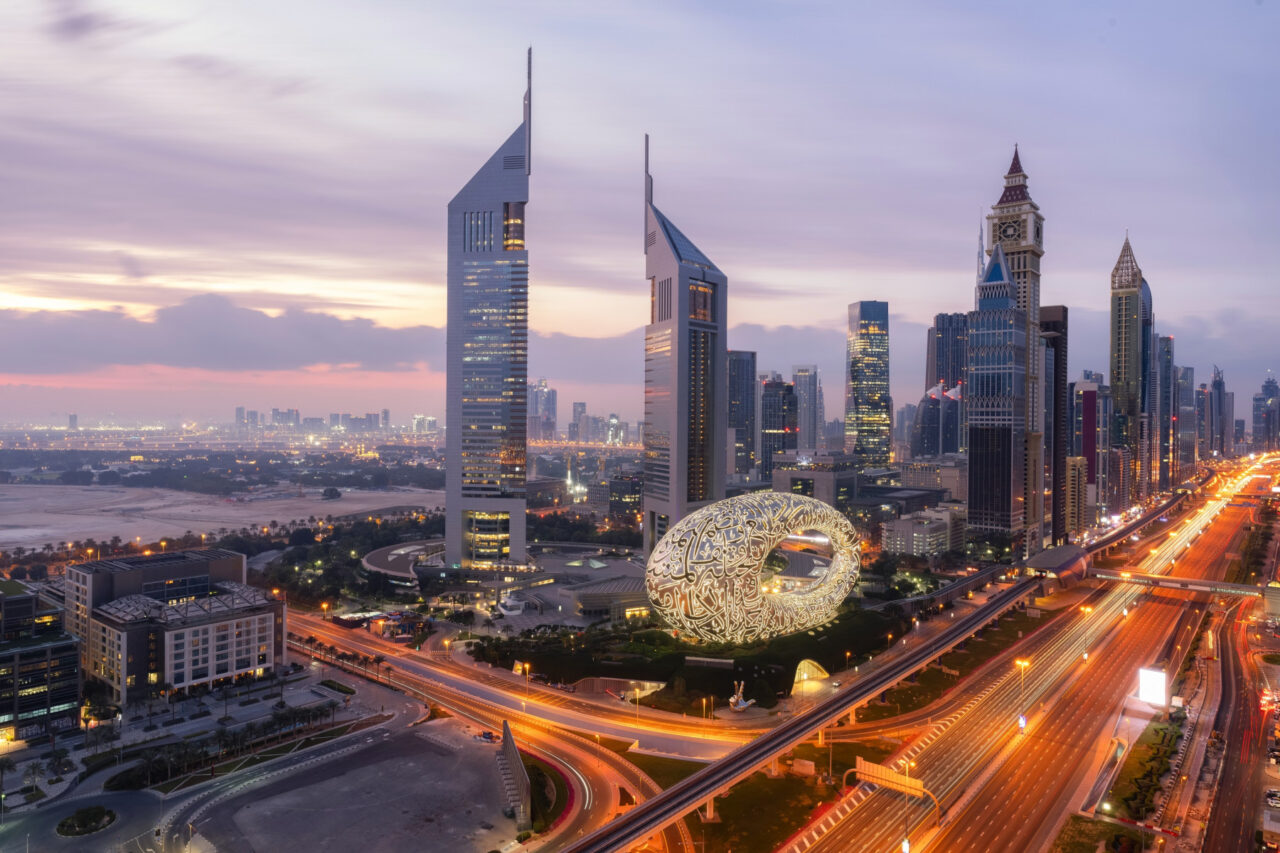
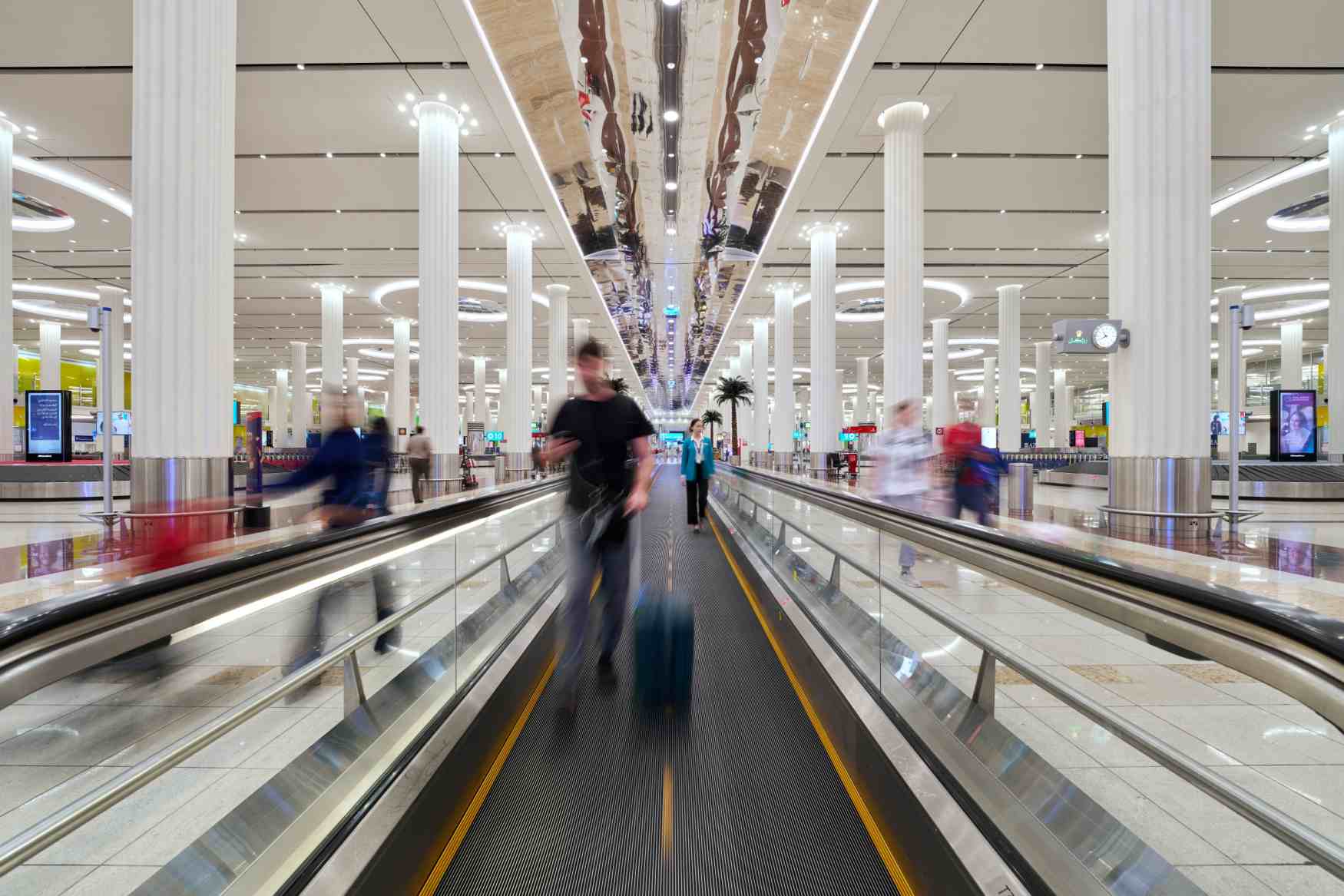
Dubai International Airport (DXB), the world’s busiest international airport, is preparing for one of the biggest transitions in modern aviation as the United Arab Emirates moves forward with plans to eventually transfer all operations to Al Maktoum International Airport (DWC).
The long-term shift forms part of a £28 billion expansion project designed to transform DWC into what could become the largest airport in the world, with the capacity to handle up to 260 million passengers annually.
DXB Reached Record Passenger Numbers
Dubai International Airport served a record 92.3 million passengers in 2024, reinforcing its position as one of the most important global aviation hubs for long-haul international travel.
Since opening in 1960, DXB has played a central role in connecting Europe, Asia, Africa and Oceania, with Emirates building one of the world’s largest international airline networks through the airport.
The airport’s rapid growth helped turn Dubai into a major global transit destination and tourism powerhouse.
Limited Space Drove Expansion Plans
Despite its continued success, DXB faces major physical limitations due to its location within heavily developed urban areas.
Surrounded by highways, residential districts and commercial developments, the airport has little room for large-scale expansion, making long-term growth increasingly difficult.
The UAE government has therefore focused future aviation development around Al Maktoum International Airport at Dubai World Central.
Al Maktoum International Set To Become Global Mega Hub
Located around 38 miles from DXB and approximately 22 miles from downtown Dubai, DWC first opened in 2010 with limited cargo operations and selected passenger services, including some low-cost airline routes.
The airport is now expected to become the centrepiece of Dubai’s future aviation strategy.
DWC’s planned layout covers approximately 70 square kilometres and is designed around eight smaller terminal clusters intended to improve operational efficiency and passenger flow.
Airport concourses will extend outward in a configuration described as resembling “a pair of arms,” allowing the site to expand gradually as passenger numbers increase over time.
Underground Rail Network Planned For Faster Transfers
One of the key features of the new airport design is an underground train system intended to reduce transfer times between terminals.
Passengers are expected to move across the airport in approximately 15 to 20 minutes, comparable to journey times on large metropolitan rail systems.
The project reflects growing competition among Gulf aviation hubs as airports across the Middle East continue investing heavily in long-haul transit infrastructure, tourism growth and airline expansion.
While no final closure date has yet been confirmed for DXB, the eventual transition to DWC will mark the end of an era for one of the world’s most recognisable and heavily used international airports.