His Highness Sheikh Mohammed bin Rashid Al Maktoum has approved the Dubai Metro Gold Line, marking the emirate’s largest-ever sustainable transport project and a major milestone in its long-term urban development strategy.
Valued at approximately AED34 billion, the new metro line will extend over 42 kilometres with 18 stations and will be Dubai’s first fully underground metro route. The project is designed to significantly expand the city’s public transport capacity while reinforcing its position as a global leader in infrastructure innovation.
Major Expansion Of Dubai’s Transport Network
The Gold Line will connect with both the existing Red and Green Lines while integrating with Etihad Rail, linking Dubai to the UAE’s wider national rail network.
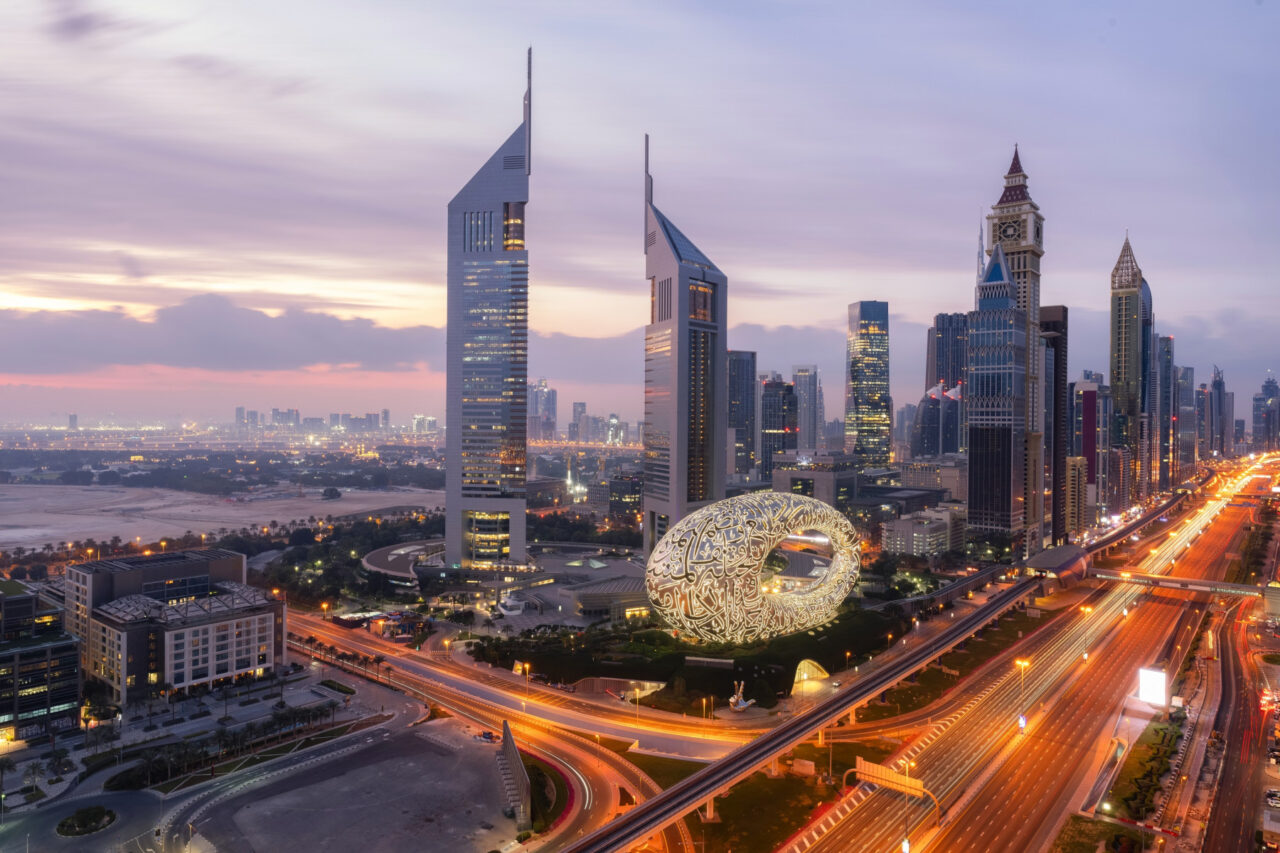
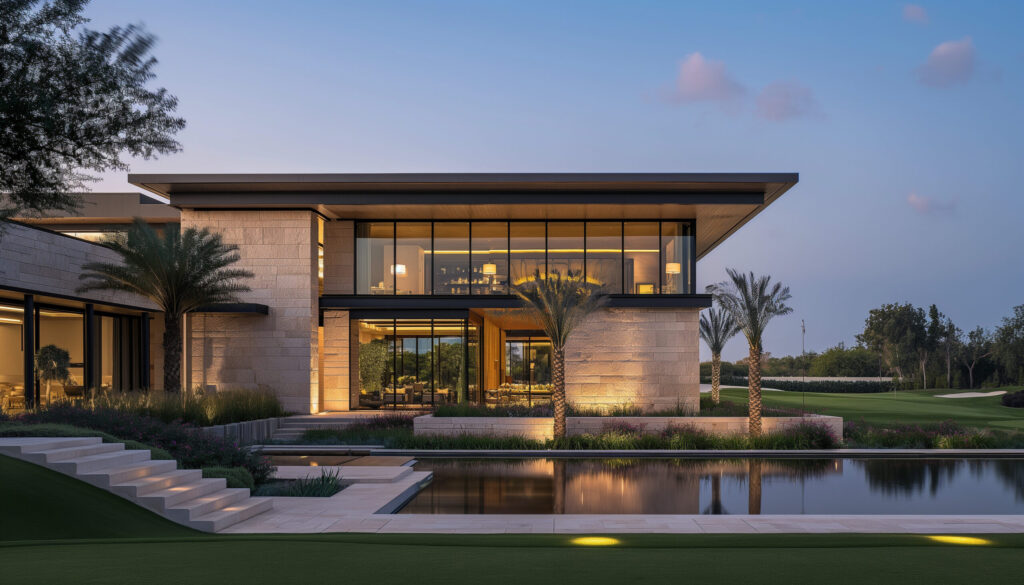
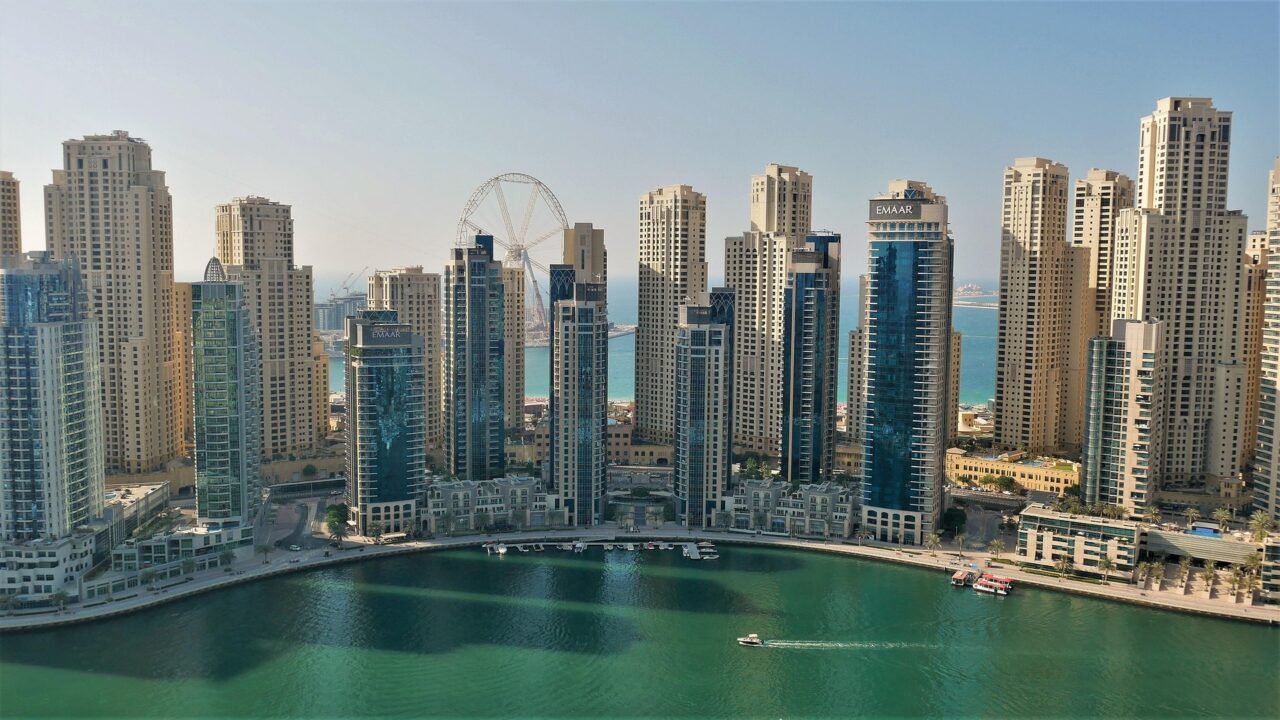
Spanning 15 key districts, the route will begin at Al Ghubaiba and pass through major urban hubs including Mina Rashid, City Walk, Business Bay, Mohammed Bin Rashid City, Meydan, Al Barsha South and Jumeirah Village Circle, before reaching Jumeirah Golf Estates.
The project is expected to serve more than 1.5 million residents by 2040, with daily ridership projected to reach 465,000 passengers beyond that date.
Faster Delivery And Strategic Vision
Construction is set to begin following tender issuance in 2026 and contract awards in 2027, with full completion scheduled for 9 September 2032. The timeline reflects a delivery speed approximately 30% faster than the Dubai Metro Blue Line.
Sheikh Mohammed stated that the new line will connect 15 strategic locations and support mobility across more than 55 major development projects currently under construction across the emirate.
The Gold Line will increase the total length of the Dubai Metro network from 120 kilometres to 162 kilometres, while the number of stations will rise from 67 to 85, representing a 35% expansion.
Economic Impact And Sustainability Benefits
Officials project the Gold Line will generate a cumulative economic return of 430% over 20 years, driven by savings in travel time and fuel consumption, as well as reductions in road congestion, accidents and carbon emissions.
The new route is also expected to reduce more than 40 million car journeys annually and ease congestion on key sections of the Red Line by up to 23%.
In addition, property values near metro stations are forecast to rise by as much as 20%, highlighting the project’s broader economic impact.
Advanced Engineering And Seamless Mobility
The fully underground design will utilise advanced tunnel boring technology to minimise disruption to existing urban areas while maintaining high standards of safety and efficiency.
The line will also introduce new transport loops and strengthen integration between different modes of travel, improving connectivity across both short and long distances.
Since its launch in 2009, the Dubai Metro has carried more than 2.8 billion passengers, with 295 million users recorded in 2025 alone. With the addition of the Gold Line, the network is set to further solidify its role as the backbone of mobility in Dubai, supporting the emirate’s long-term vision for sustainable growth and urban excellence.