Uzbekistan has launched its first high-speed electric train produced by Hyundai Rotem, marking a significant step forward in the country’s railway modernisation.
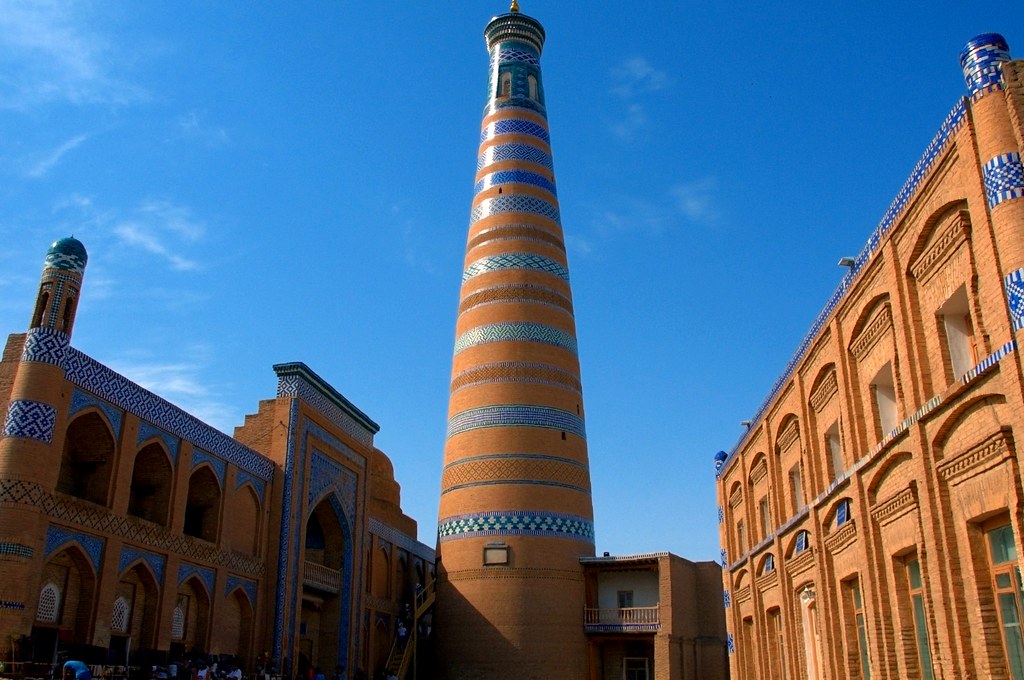
The new train will operate on the Tashkent–Khiva–Tashkent route, dramatically reducing travel time and improving connectivity across one of Uzbekistan’s longest domestic corridors.
Faster Travel Across A Key Route
The train will run at an average speed of 162 km/h, covering the 1,220-kilometre journey between Tashkent and Khiva in approximately 7.5 hours.
This represents a major improvement compared to the 14-hour journey currently required by conventional locomotive-hauled trains with sleeping cars.
The new service is expected to enhance both domestic travel and tourism by making long-distance rail journeys more efficient and comfortable.
Modern Design Based On Korean High-Speed Technology
The seven-car electric train measures 175 metres in length and offers 389 seats.
It is based on the KTX-Eum high-speed train platform, designed for speeds of up to 250 km/h, bringing advanced rail technology from South Korea to Central Asia.
The introduction of this model reflects Uzbekistan’s ambition to upgrade its rail infrastructure with faster and more modern rolling stock.
Part Of A Wider Investment Programme
The train is the first of six units to be delivered under a €220 million contract signed in 2024 between Hyundai Rotem and O‘zbekiston Temir Yo‘llari.
All six trains are scheduled for delivery by 2030, forming part of a broader strategy to expand high-speed rail capacity across the country.
Authorities have also outlined plans to procure an additional eight high-speed trains for mountainous routes, further extending the network.
Symbolic Launch And Future Outlook
The first train has been named after national hero Jaloliddin Manguberdi, the last ruler of Khorezm, reflecting its symbolic importance for the country.
Following trial operations earlier this year, the train is now in full service, representing a key milestone in Uzbekistan’s transport development.
The project underscores a growing focus on modern rail solutions as the country continues to invest in infrastructure aimed at improving mobility and supporting economic growth.