
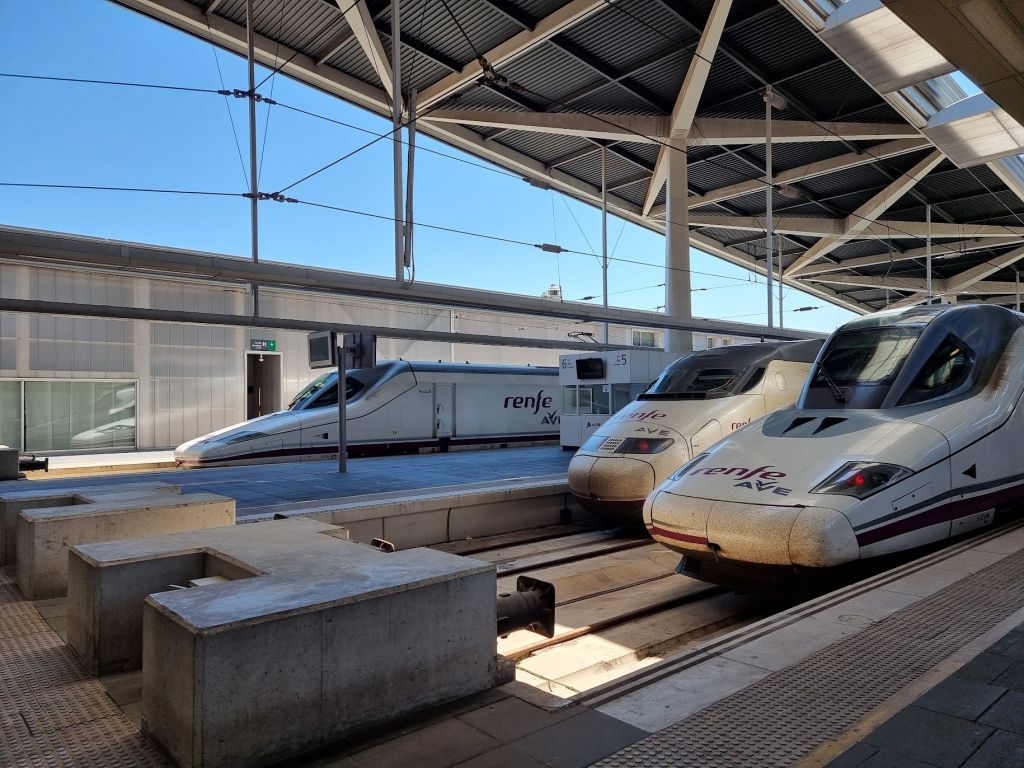
Direct high-speed train services between Malaga and Madrid have returned after a 3-month suspension, offering relief to travellers on one of Spain’s busiest domestic routes.
The restoration of the link means passengers can once again travel between the two cities without changing trains, a move likely to improve journey times and ease pressure on air and road connections.
The route has been closely watched by holidaymakers, business travellers and residents who rely on fast links between the Costa del Sol and the Spanish capital.
The return of the service marks an important step for rail passengers in southern Spain, where demand for reliable long-distance transport remains high. Direct high-speed trains are often seen as a competitive alternative to flying, particularly on short and medium-haul routes where airport transfers and security checks add to overall journey time.
For travellers heading to or from Malaga, the reinstatement of the Madrid service is also likely to support onward connections across Spain’s wider rail network. Madrid acts as a major hub for domestic and international travel, giving passengers access to destinations across the country.
High-speed rail has become central to Spain’s transport system, with routes linking major cities in a matter of hours rather than half a day or more by conventional rail. The Malaga-Madrid line is among the most important for tourism and business, connecting a major coastal destination with the country’s political and economic centre.
The 3-month interruption had caused inconvenience for regular users and visitors alike, with some forced to look for slower alternatives or switch to flights. The return of direct services is expected to be welcomed by those planning autumn and winter trips, as well as commuters with flexible travel patterns.
Spain continues to expand and manage its high-speed rail network as demand grows. Service reliability has become a key issue for passengers, especially on routes that carry large numbers of tourists and domestic travellers during peak periods.
While the latest change is a practical improvement for passengers, it also reflects the importance of rail in Spain’s wider transport strategy. For many travellers, the ability to board a train in Malaga and arrive directly in Madrid again removes a major barrier to choosing rail over other forms of transport.