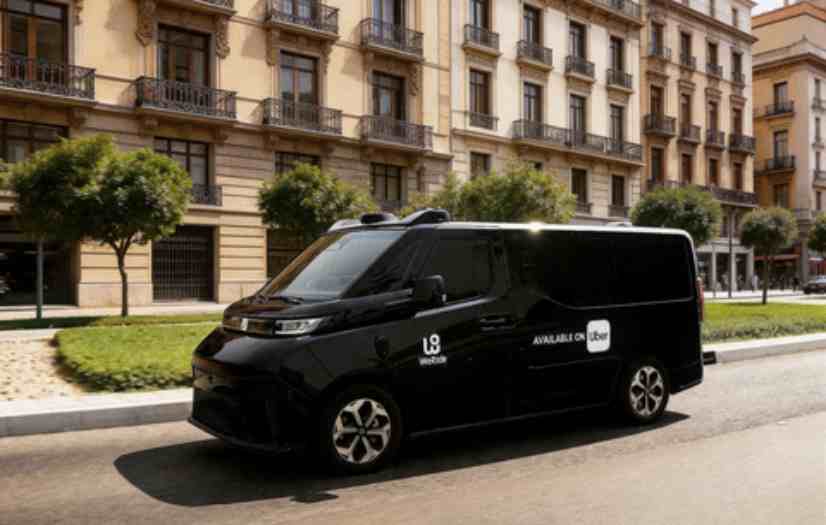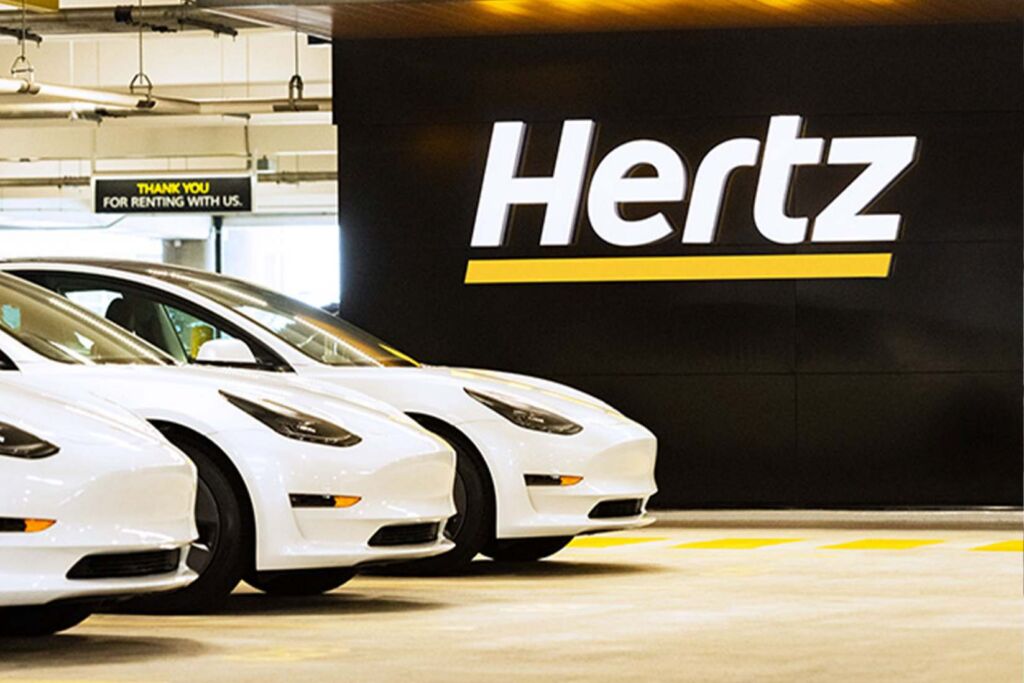

Hertz Global Holdings and Uber have announced the launch of a new operating company, Oro Mobility, aimed at supporting the rollout of autonomous robotaxi services and expanding their existing partnership.
The new entity marks a strategic shift for Hertz as it moves beyond its traditional car rental business and deepens its involvement in next-generation mobility services.
Supporting Uber’s Autonomous Robotaxi Program
Oro Mobility will play a central role in Uber’s autonomous vehicle strategy, providing operational support for its robotaxi programme.
Its responsibilities will include vehicle charging, maintenance, repairs, cleaning and depot staffing, ensuring that fleets remain fully operational and ready for deployment.
The companies expect to launch these services in the San Francisco Bay Area later this year, positioning the region as a key testing ground for autonomous mobility.
Expanding Driver-Operated Fleet Services
In addition to supporting autonomous vehicles, Oro Mobility will also manage a fleet of vehicles operated by its own employed drivers on the Uber platform.
Following a pilot programme in Atlanta last year, the service is already active in Los Angeles and San Francisco, with expansion planned for northern New Jersey in the coming months.
This dual approach allows Uber to scale both its current ride-hailing operations and future autonomous services simultaneously.
Strategic Shift For Hertz
The launch of Oro Mobility reflects Hertz’s broader strategy to diversify its business model and tap into emerging mobility trends.
The company has already partnered with Uber through a rideshare rental programme, and Oro represents the next phase of that collaboration, extending into fleet operations and infrastructure support.
Positioning For The Future Of Mobility
As the race to deploy autonomous vehicles accelerates, partnerships between mobility platforms and fleet operators are becoming increasingly critical.
By combining Uber’s technology and platform reach with Hertz’s fleet management expertise, the new venture aims to create a scalable model for both human-driven and autonomous ride services.
The initiative signals a growing convergence between traditional car rental companies and technology-driven mobility providers, as both sectors adapt to changing transportation demands.