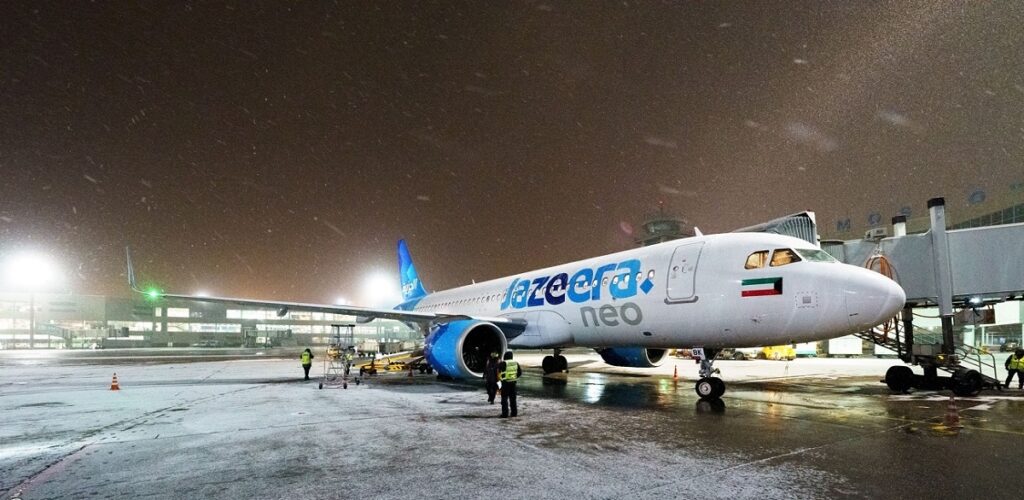

Kuwait has reopened its airspace for civilian traffic after nearly two months of disruption, allowing regular passenger operations to resume. The formal decision took effect on Friday, but scheduled flights could only restart from Sunday.
The move made Kuwait the last Gulf state to restore normal airspace access after the suspension. The closure had affected airlines and passengers across the region, as carriers adjusted schedules and routes during the 58-day period.
No further details were given in the source about the reason for the closure or the number of flights affected. The reopening is expected to ease pressure on regional aviation networks and improve connectivity for travellers moving through the Gulf.
Airspace restrictions can have a wide impact on commercial aviation, forcing airlines to reroute aircraft, add fuel stops or cancel services. For passengers, that can mean longer journey times, missed connections and disrupted holiday or business plans.
Kuwait’s decision comes as Gulf aviation continues to play a major role in linking Europe, Asia and Africa. Airlines in the region rely heavily on uninterrupted overflight rights, especially on busy long-haul routes.
The source did not cite any official statement on whether all carriers can now resume their normal schedules immediately, or whether any operational limits remain in place. Travellers are usually advised to check with airlines for the latest timetable changes after any airspace disruption.
The reopening marks the end of a prolonged suspension and removes one of the last major regional obstacles to normal flight operations. It also restores a key transit corridor for airlines serving the wider Middle East and beyond.
Photo: Mayo Benteotso