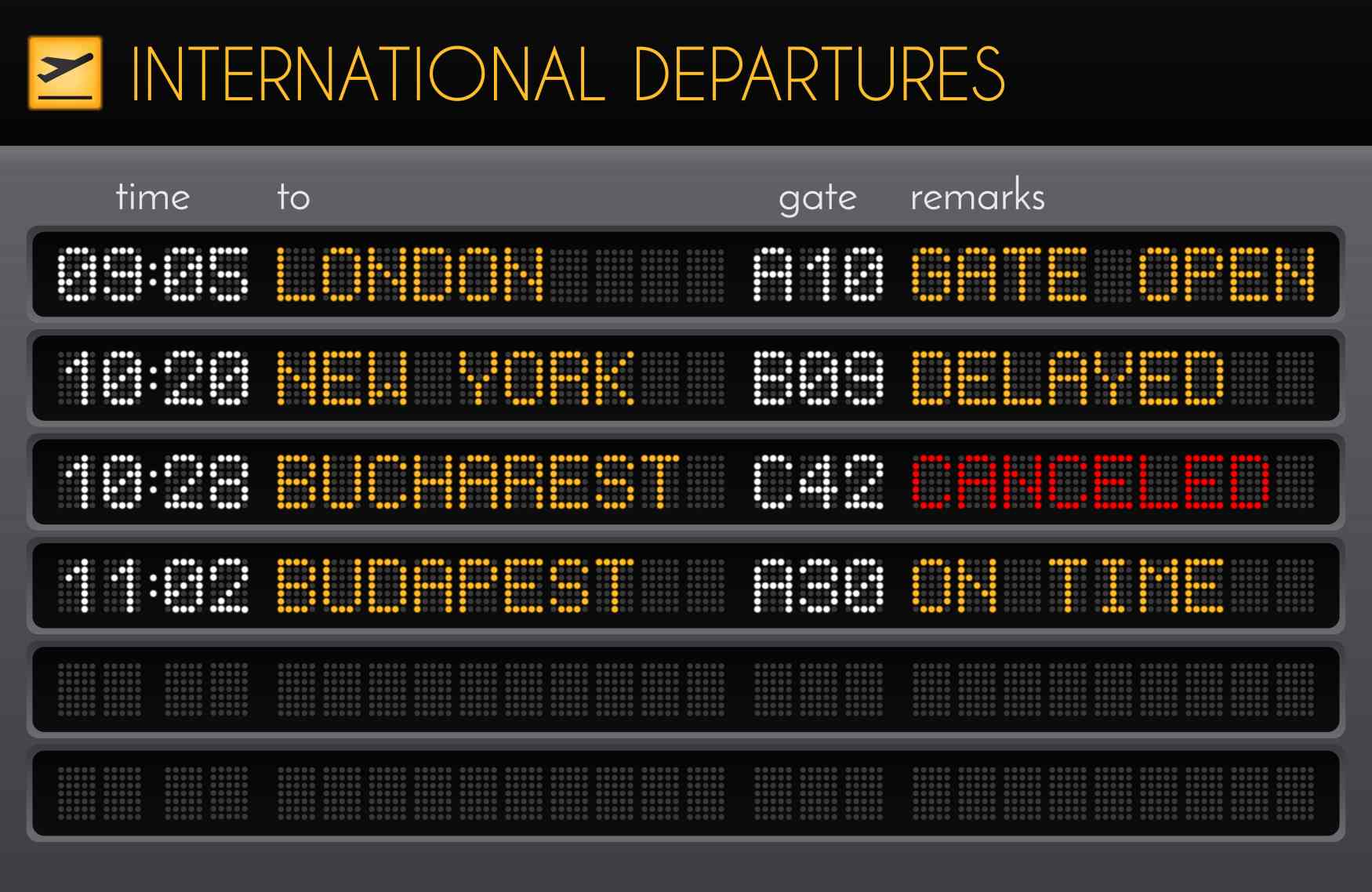
Thousands of travellers across the United States are facing major disruption after widespread flight delays and cancellations swept through the country’s busiest airports.
Since the Easter travel period, between 15,000 and 30,000 flights have been delayed or cancelled, creating a cascading effect across the national aviation network and leaving passengers stranded in crowded terminals.
Major hubs under pressure
The disruptions have heavily impacted key aviation hubs, including Hartsfield-Jackson Atlanta International Airport, Dallas Fort Worth International Airport and O’Hare International Airport.
Airports in New York, including John F. Kennedy International Airport and LaGuardia Airport, have also seen significant disruption, alongside Los Angeles International Airport and Miami International Airport.
At these major hubs, delays quickly snowball. Late arrivals lead to gate congestion, missed connections and aircraft rotation issues, amplifying disruption across the system.
A ripple effect across the network
The structure of airline scheduling means disruptions rarely stay local.
Aircraft and crews typically operate multiple routes per day, so delays in one city can quickly cascade across multiple regions. A late departure in Atlanta or Chicago can trigger knock-on delays in cities hundreds or even thousands of miles away.
In Chicago, ongoing congestion issues have already led the Federal Aviation Administration to impose summer flight caps in an effort to stabilize operations and improve on-time performance.
Weather, demand and operational strain
Industry analysts point to a combination of factors behind the disruption.
Heavy holiday demand during Easter created peak traffic levels, while seasonal weather systems added further instability. At the same time, tightly scheduled flight networks left little room for recovery once delays began.
This combination has made the US aviation system particularly vulnerable, especially at high-capacity hubs operating near their limits.
Airlines scramble to recover schedules
Major carriers including Delta Air Lines, American Airlines, United Airlines and Southwest Airlines have been working to rebook passengers and restore operations.
However, with many flights operating at or near capacity, travellers have reported difficulty securing alternative seats, extending delays and complicating travel plans.
Rising frustration among passengers
The disruption has also led to increased tension inside airports.
Long queues, missed connections and uncertain schedules have contributed to a rise in reports of unruly behaviour, as frustrated passengers struggle to navigate rapidly changing travel conditions.
What travellers should expect next
While conditions are expected to gradually stabilize, the situation highlights the fragility of the current aviation system during peak periods.
With summer travel approaching, similar disruptions could re-emerge as demand rises again. For travellers, flexibility, early planning and real-time monitoring of flight status remain critical.
For now, the wave of delays serves as a reminder that in today’s interconnected aviation network, a single disruption can quickly escalate into nationwide travel chaos.