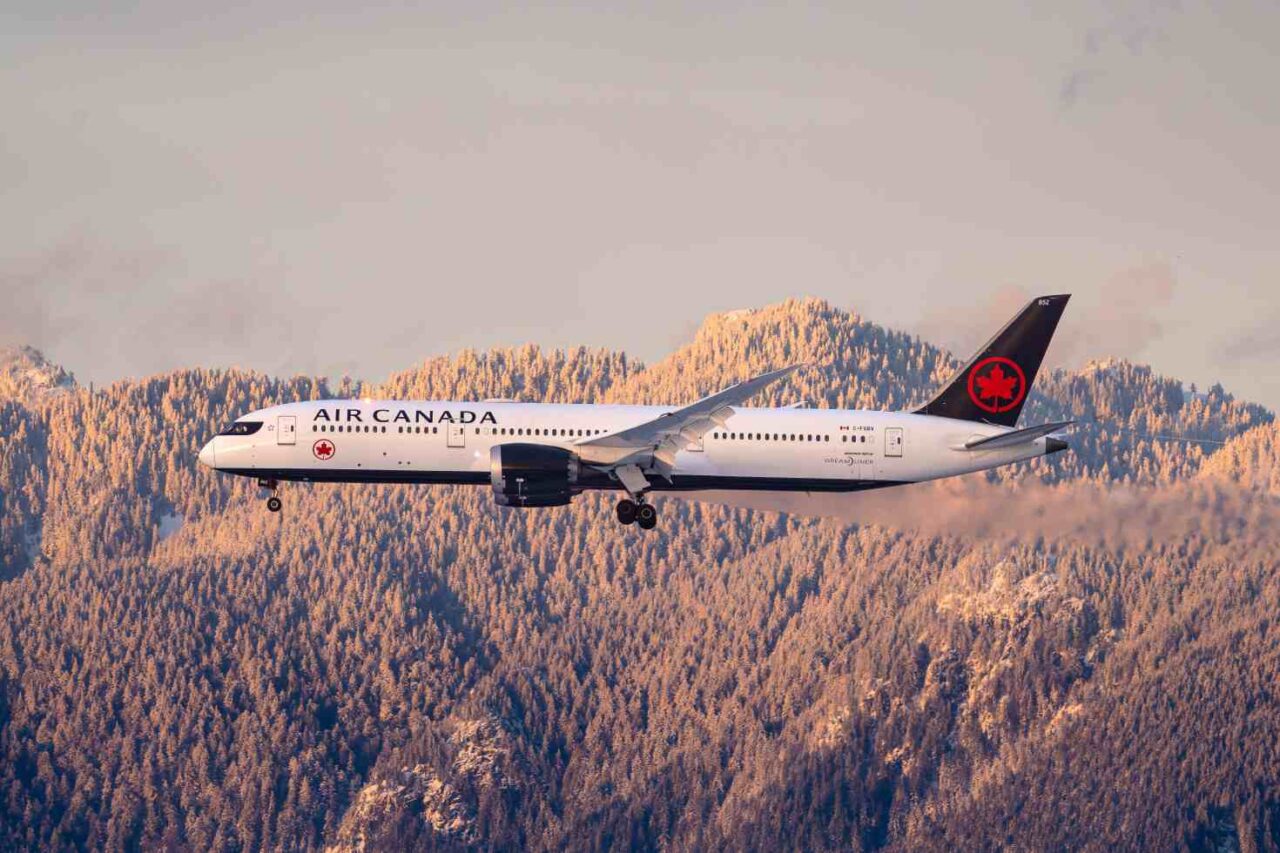
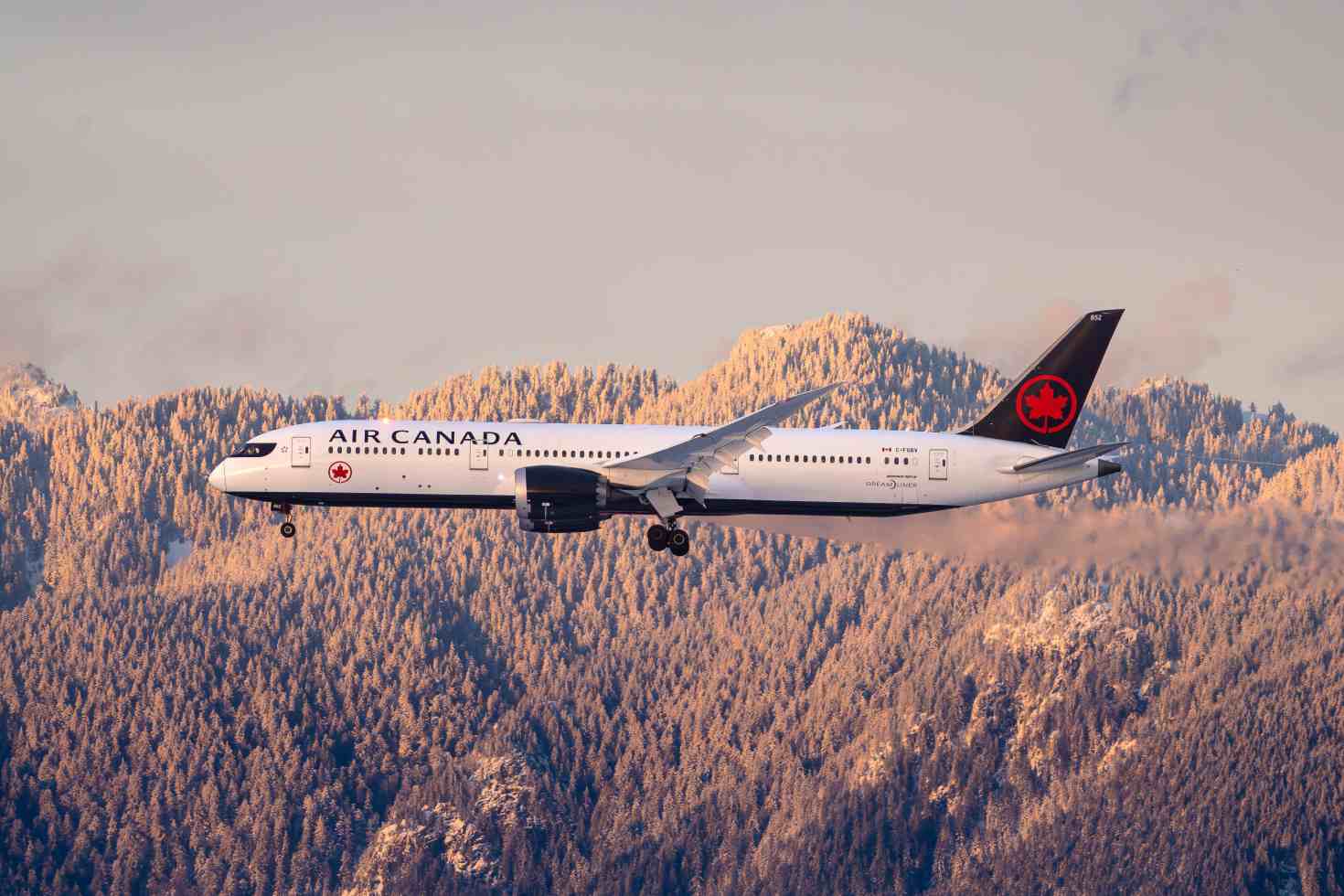
Air Canada has announced it will suspend flights to John F. Kennedy International Airport for the summer season, as soaring jet fuel prices linked to tensions in Iran begin to reshape airline operations worldwide.
The carrier confirmed that routes from Toronto and Montreal to JFK will be suspended as of June 1, with service expected to resume on October 25. The decision reflects growing pressure on airlines as fuel costs surge to levels that are making some routes financially unsustainable.
Flights to other major New York-area airports, including LaGuardia Airport and Newark Liberty International Airport, will continue unaffected. Air Canada currently operates 34 daily flights to those airports from six Canadian cities, maintaining strong connectivity despite the JFK suspension.
The airline said affected passengers will be contacted directly and offered alternative travel options, including rebooking onto other New York routes.
Fuel prices double as geopolitical tensions escalate
The move comes as jet fuel prices have sharply increased following the escalation of tensions involving Iran. According to industry data, prices have risen from around $2.50 per gallon before the conflict to over $4.30, effectively doubling in a short period.
Air Canada stated that the spike has rendered certain lower-margin routes, such as JFK services, uneconomical in the current environment. The airline described the suspension as part of broader schedule adjustments in response to rapidly changing cost conditions.
Although oil prices recently dropped after Iran signaled the reopening of the Strait of Hormuz to commercial tankers, easing supply concerns, the impact on aviation fuel markets remains significant.
Industry-wide impact spreads across airlines
The effects of rising fuel costs are being felt across the global aviation sector.
Delta Air Lines has warned that higher fuel prices could add around $2 billion to its second-quarter expenses. Meanwhile, carriers such as JetBlue and United Airlines have introduced higher baggage fees as part of efforts to offset increasing operational costs.
European airlines are also adjusting their networks. Lufthansa and KLM have both reduced services on routes that are no longer profitable under current fuel price conditions.
Warning of a broader energy crisis
The situation has raised concerns among energy experts about the wider implications for global travel and supply chains.
Fatih Birol warned that Europe could face as little as six weeks of jet fuel supply, describing the situation as one of the most serious energy challenges currently confronting the global economy.
Fuel and labor already represent the largest cost components for airlines, and the latest surge is intensifying pressure on margins just as the industry enters the peak summer travel season.
For travelers, the impact is becoming increasingly visible – from route suspensions and schedule changes to rising fees and reduced availability. As airlines continue to adapt, the coming months are likely to test both operational resilience and passenger demand across key global markets.