UNESCO has added the Aalto Works to its World Heritage List, recognising the global significance of thirteen landmark buildings in Finland designed by pioneering modernist architects Aino, Elissa and Alvar Aalto.
The inscription acknowledges a body of work that transformed twentieth-century architecture through its human-centred approach, influencing modern design, wellbeing and urban planning worldwide.
Helsinki serves as the gateway to the newly designated World Heritage Site, with five of the thirteen listed buildings located in the Finnish capital—the highest concentration of Aalto works included in the UNESCO designation.
International Recognition for Finnish Modernism
The designation was approved during the annual meeting of the UNESCO World Heritage Committee in Busan, South Korea, following a nomination submitted by Finland’s Ministry of Education and Culture in 2025. The nomination was prepared by the Finnish Heritage Agency in cooperation with the Alvar Aalto Foundation, ICOMOS Finland and the owners of the participating sites.
Rather than recognising individual architectural masterpieces alone, UNESCO highlighted the Aalto Works as places demonstrating how thoughtful design can promote wellbeing, equality, community life and everyday functionality.
Daniel Sazonov, Mayor of Helsinki, described the inscription as an important international recognition of Finnish architecture and said the five Helsinki buildings represent an essential part of the city’s cultural and architectural heritage.
Five UNESCO-Listed Aalto Buildings in Helsinki
The five Helsinki sites included in the Aalto Works UNESCO World Heritage Site showcase different aspects of the architects’ philosophy and career.
- Aalto House (1936) – The architects’ family home in the Munkkiniemi district, designed to combine functionality, comfort and natural materials.
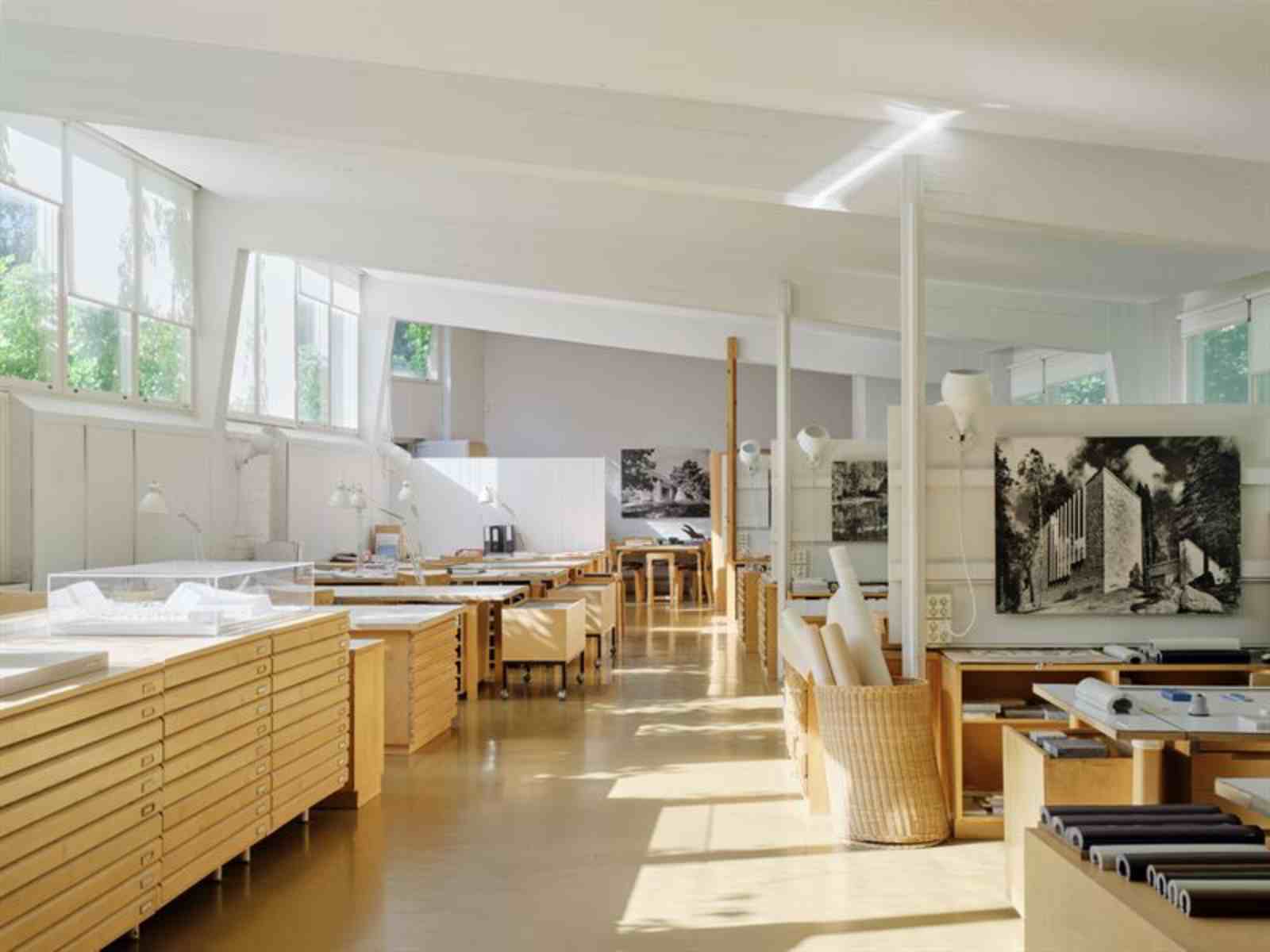
- Studio Aalto (1955) – The architectural practice where many of the Aaltos’ internationally renowned projects were created. The studio is celebrated for its innovative use of natural light and practical workspace design.
- National Pensions Institute (KELA) (1956) – A landmark office building distinguished by carefully designed lighting solutions and interiors that prioritise employee wellbeing.
- House of Culture (1958) – Originally commissioned by the Communist Party of Finland as a centre for concerts, theatre, cinema, sport and community activities, the building has become one of Helsinki’s best-known modernist landmarks.
- Finlandia Hall (1971) – A monumental congress and concert venue overlooking Töölönlahti, widely regarded as one of Alvar Aalto’s greatest architectural achievements.
Finlandia Hall Opens Its Doors to Overnight Guests
Following an extensive refurbishment completed between 2022 and 2025, Finlandia Hall now offers visitors the opportunity to stay overnight within the UNESCO-listed building.
Two short-stay apartments, named Aino and Elissa, have been furnished with original Aalto-designed furniture, lighting and homeware, allowing guests to experience the architects’ design philosophy first-hand while enjoying one of Helsinki’s most iconic buildings.
A Legacy That Continues to Shape Helsinki
Hanna Harris, Chief Design Officer of Helsinki, said the Aaltos’ human-centred philosophy continues to influence how the city approaches architecture, public services and urban design.
Tommi Lindh, CEO of the Alvar Aalto Foundation, noted that Finland previously had no examples of modern architecture on the UNESCO World Heritage List. He said the inscription recognises the universal value of the Aaltos’ work, which successfully combined beauty, functionality and a deep understanding of everyday life.
Johanna Tolonen, CEO of Finlandia Hall, added that Helsinki offers one of the world’s richest collections of Aalto architecture, making the Finnish capital an essential destination for architecture enthusiasts.
The Lasting Influence of Aino, Elissa and Alvar Aalto
Beyond architecture, the Aaltos made a lasting contribution to furniture, lighting, textiles, glassware and interior design. Their buildings embodied the concept of Gesamtkunstwerk, or the “total work of art”, where every element—from door handles to furniture and lighting fixtures—was carefully designed to create harmonious, functional and human-centred environments.
Nearly fifty years after Alvar Aalto’s death, their work continues to influence architects and designers worldwide, while the UNESCO inscription further cements Finland’s place as one of the birthplaces of modern architecture.
Photo: Tuomas Uusheimo, Helsinki Partners