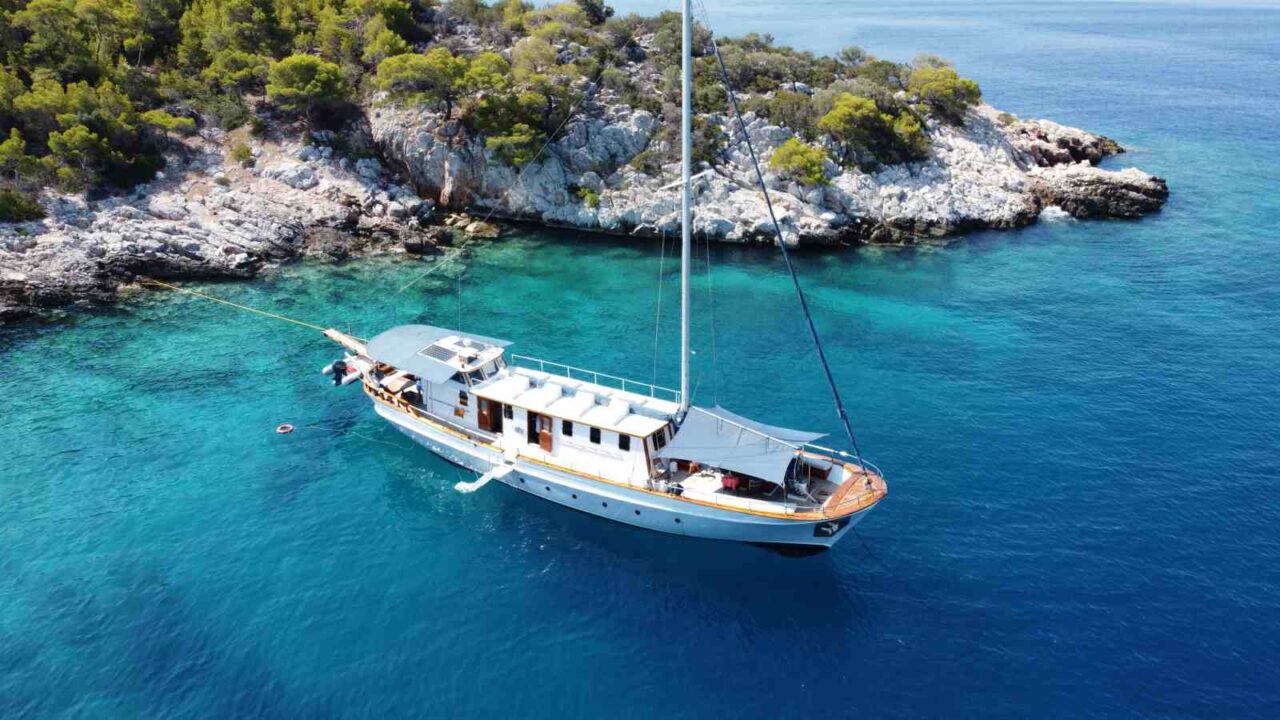
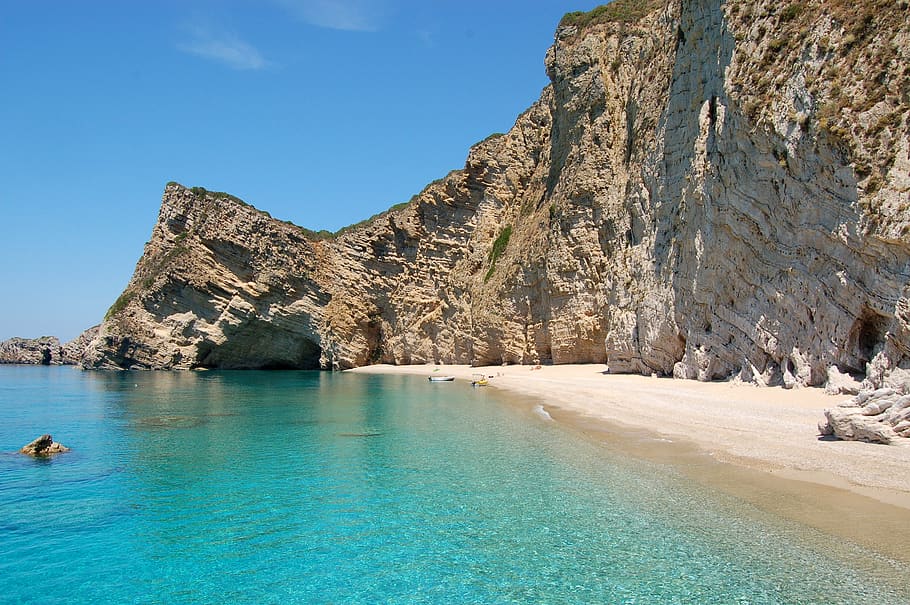
Greece is expanding protections for some of its most environmentally sensitive coastlines, adding more beaches to a special conservation program aimed at preserving natural landscapes and limiting tourism-related development.
For 2026, the Greek government has increased the number of protected “Apatites Paralies” (Untouched Beaches) from 238 to 251 locations.
The designation prohibits the commercial use of sunbeds, parasols and other tourism infrastructure on the selected beaches.
More Beaches Receive Protected Status
The initiative is designed to preserve coastal areas with exceptional ecological, environmental and landscape value.
Many of the beaches included in the program are located within the European Union’s network of protected natural sites.
Authorities have also prohibited interventions that could alter the natural character of the beaches or affect their ecological functions.
The measures aim to ensure that some of Greece’s most pristine coastal environments remain free from intensive tourism development.
Protected Beaches Across Greece
Among the newly protected locations are two coastal areas of the Messolonghi National Park, the Korissio lagoon in Corfu, Kastro beach on the island of Lefkada, the beaches of Pori and Italida on Ano Koufonissi as well as seven other sections of coastline in the Chania region of Crete.
Seven additional stretches of coastline in the Chania region have also been added to the protected list.
These areas are recognized for their natural beauty, biodiversity and importance as habitats for local wildlife.
Tourism Numbers Continue To Grow
The decision comes as Greece faces increasing pressure from record visitor numbers.
Nearly 38 million tourists visited the country in 2025, more than three times Greece’s population.
Popular island destinations regularly experience significant strain on infrastructure, transportation networks and accommodation capacity during the peak summer season.
Stricter Rules Planned For Popular Islands
The government is also preparing additional measures aimed at managing tourism growth across the country.
Areas experiencing particularly high visitor numbers will receive special planning designations, allowing authorities to introduce stricter development controls.
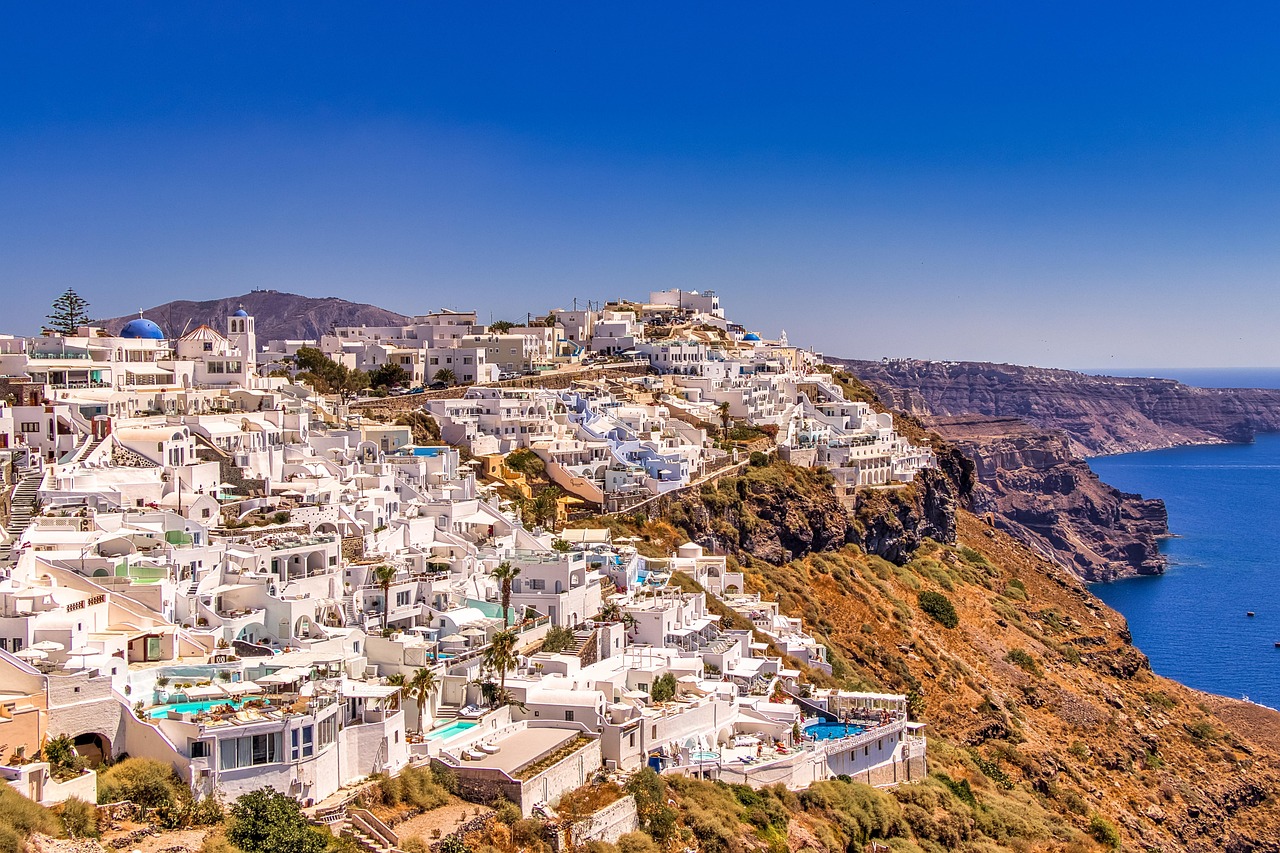
Islands including Santorini, Mykonos and other popular islands are expected to face tighter building regulations.
Officials are also considering limits on hotel and tourist accommodation capacity on the country’s most heavily visited islands as part of broader efforts to balance tourism growth with environmental protection and long-term sustainability.