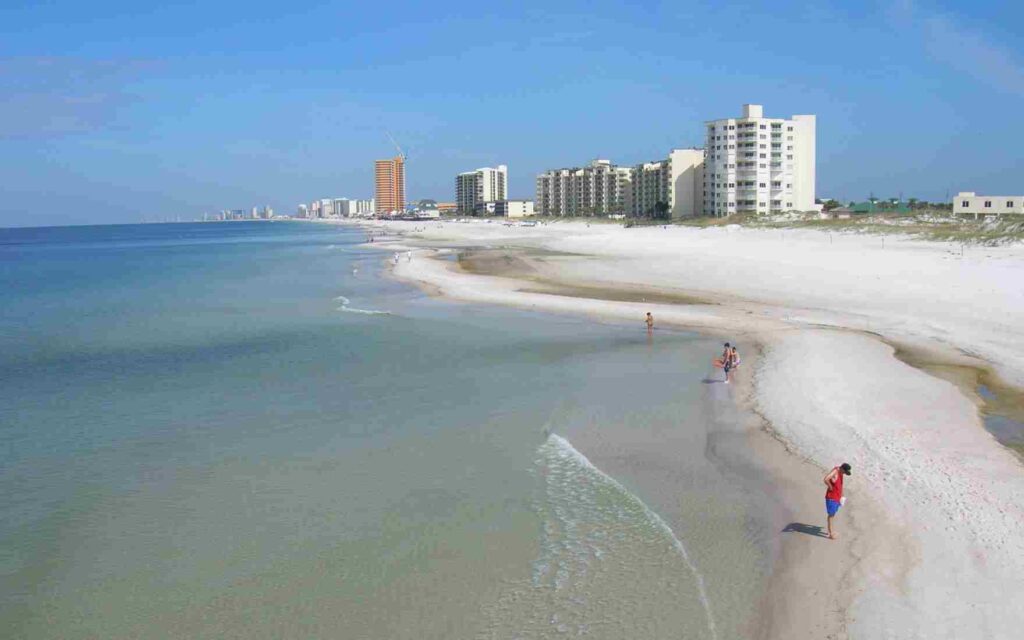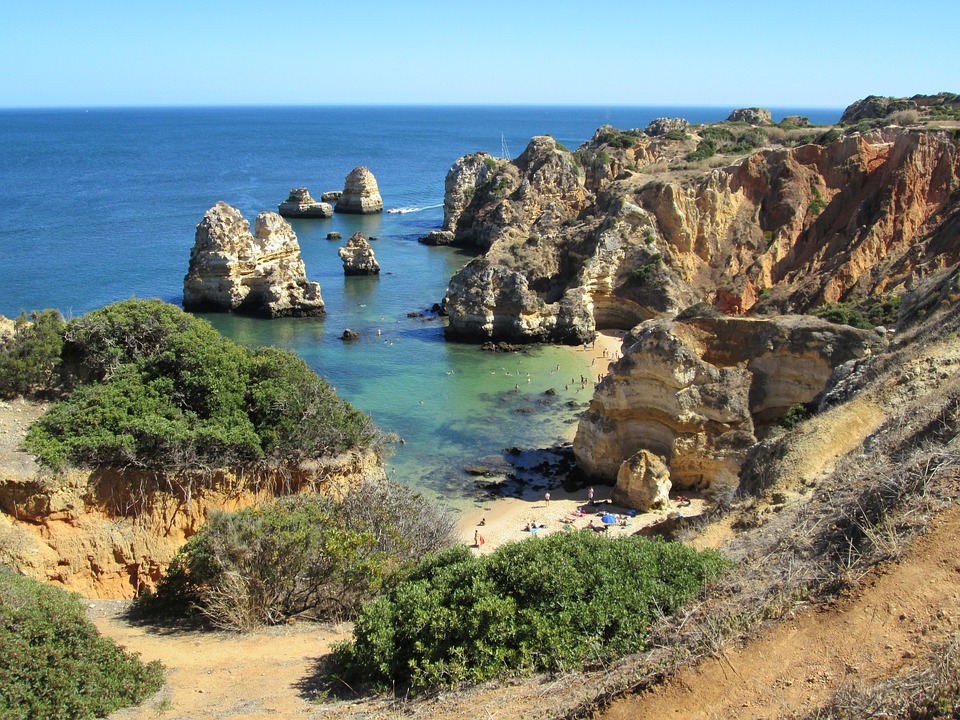

Turquoise water, powder-soft sand and swaying palm trees may look like the perfect recipe for a dream holiday. But some of the world’s most beautiful beaches hide dangers that range from powerful currents and shark attacks to toxic waters and even hostile human encounters.
While millions of travelers visit coastal destinations safely every year, certain beaches have earned reputations for risks that go far beyond the usual beach hazards. Here are some of the most dangerous shorelines around the world and the reasons they continue to attract attention.
Brazil’s Beaches Come With Serious Warnings
Brazil boasts thousands of kilometers of coastline, but not every beach is ideal for swimming.
Praia de Boa Viagem in Recife is one of the most notorious examples. The beach has recorded more than 80 shark attacks over the past two decades, with dozens of fatalities. Experts attribute the high number of incidents to environmental changes and the proximity of shark habitats to popular swimming areas.
Rio de Janeiro’s famous Copacabana Beach faces a different challenge. While the beach remains one of the world’s most recognizable stretches of sand, local authorities have long battled theft and street crime, particularly during busy evening hours when large crowds gather along the waterfront.
Further north, Alter do Chão, often described as the “Amazonian Maldives,” offers stunning freshwater beaches. However, the surrounding waters are home to piranhas, caimans and other wildlife that can pose risks to careless swimmers.
Powerful Ocean Currents Threaten Even Experienced Swimmers
Many of the world’s most dangerous beaches are not dangerous because of predators but because of the ocean itself.
Mexico’s Playa Zipolite in Oaxaca is famous among surfers and backpackers, yet its powerful rip currents have earned it the nickname “Beach of the Dead.” Even strong swimmers can quickly find themselves dragged away from shore.
Chile’s Viña del Mar may appear calm, but unpredictable currents have caught countless visitors off guard. Local authorities regularly warn tourists not to venture too far from the shoreline.
On Hawaii’s island of Kauai, Hanakapiai Beach combines breathtaking scenery with some of the strongest rip currents in the Pacific. The remote location makes rescue operations particularly difficult, contributing to numerous fatalities over the years.
Shark Encounters Remain a Reality in Several Destinations
Shark attacks remain extremely rare compared with the number of people entering the ocean each year. However, some locations experience more encounters than others.
Hawaii’s North Shore on Oahu is known not only for world-class surfing but also for regular shark sightings. The same applies to New Smyrna Beach in Florida, often referred to as the shark bite capital of the world.
Nearby Brevard County, as well as parts of the Texas coast around Galveston, have also recorded numerous shark encounters. Most incidents are minor, but authorities continue to encourage caution.
Along sections of the New Jersey and South Carolina coasts, dangerous currents and occasional shark incidents have resulted in fatalities, reminding visitors that ocean conditions can change rapidly.
Volcanoes, Toxic Water and Extreme Conditions
Some beaches face threats that have nothing to do with marine life.
Near Hawaii’s Kilauea volcano, lava occasionally flows directly into the ocean. The resulting interaction can create boiling water, acidic conditions and clouds of toxic steam that pose serious health risks.
These dramatic natural events attract curious visitors, but authorities often restrict access when volcanic activity increases.
Australia’s Beach Dangers Extend Beyond the Water
Cape Tribulation in Queensland is one of Australia’s most spectacular coastal destinations, but it is also one of the country’s most dangerous.
The waters are home to saltwater crocodiles and highly venomous box jellyfish. On land, visitors may encounter cassowaries, large flightless birds capable of inflicting serious injuries with their powerful claws.
The combination of marine and terrestrial hazards has made the region famous among adventure travelers and wildlife enthusiasts alike.
The Beach Where Tourists Are Not Welcome
Perhaps the most unusual beach on this list belongs to North Sentinel Island in the Andaman Islands.
The island is home to the Sentinelese, one of the world’s last uncontacted tribes. The community actively rejects outside contact and has repeatedly attacked intruders with bows and spears.
To protect both the tribe and visitors, Indian authorities have established a strict exclusion zone around the island. Landing on its beaches is illegal and potentially deadly.
Paradise Requires Caution
Most beach vacations end with little more than sunburn and a camera full of photos. Yet these destinations serve as reminders that natural beauty does not always equal safety.
Before visiting unfamiliar beaches, travelers should check local conditions, follow lifeguard warnings, pay attention to wildlife advisories and respect access restrictions. A little preparation can make the difference between an unforgettable holiday and an emergency situation.
Because sometimes the most beautiful beach in the world hides the biggest risks beneath the surface.