Greece Introduces New Beach Protection Rules
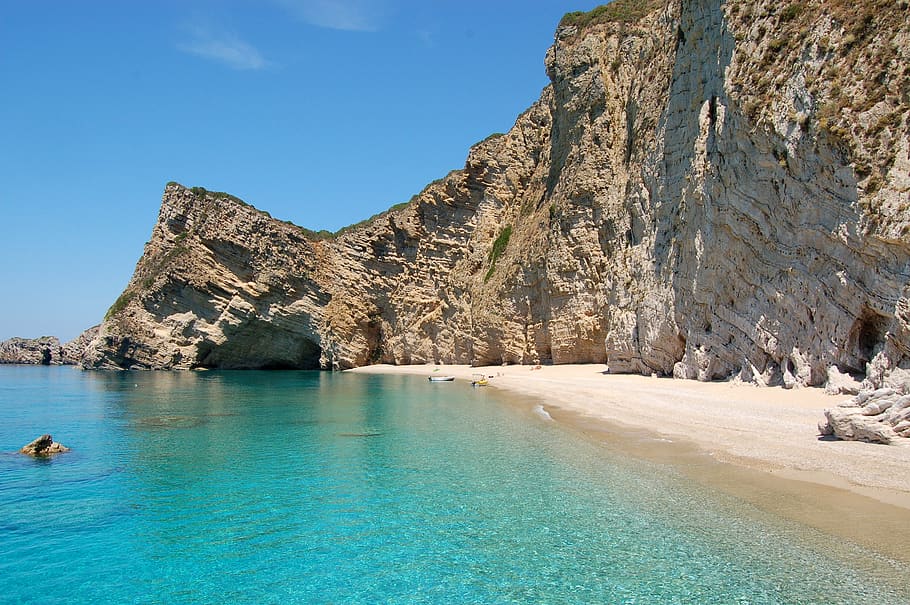
Greece has introduced strict new restrictions banning sunbeds, umbrellas and beach bars from hundreds of protected coastal areas as authorities attempt to reduce environmental damage caused by mass tourism.
The new measures apply to 251 sections of coastline identified by the government as having “special aesthetic or ecological value.”
Officials say the goal is to preserve some of the country’s most environmentally sensitive beaches in their natural state while protecting fragile coastal ecosystems and biodiversity.
Popular Tourist Islands Included In Restrictions
The ban affects beaches across some of Greece’s best-known island groups, including the Cyclades, Dodecanese and Ionian Islands, as well as parts of the mainland coastline.
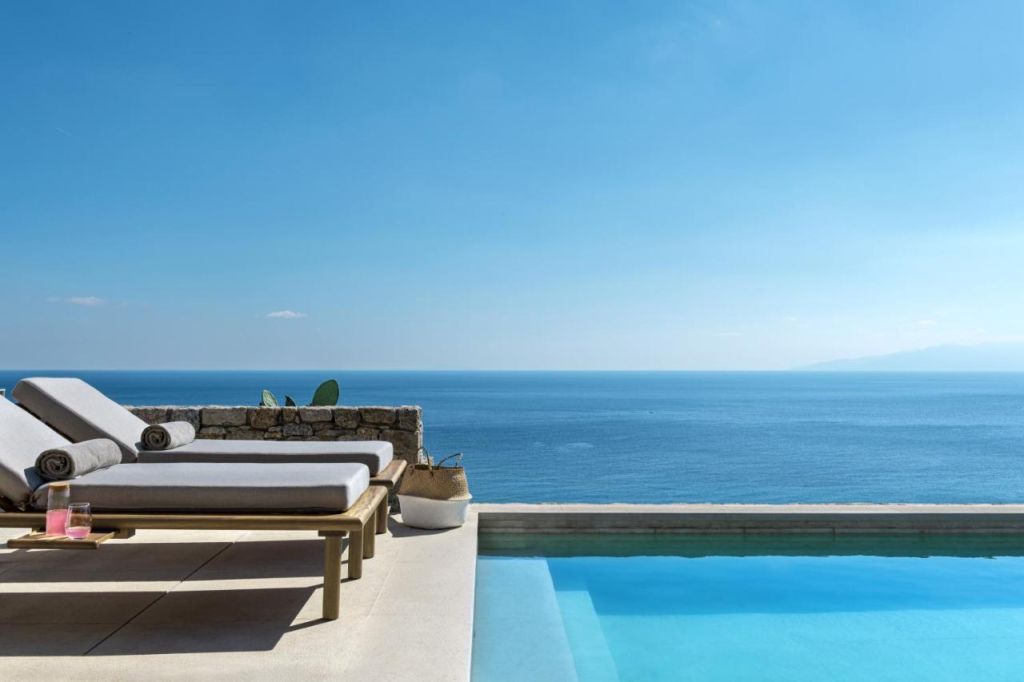
Under the new rules, businesses will no longer be allowed to install sun loungers, parasols, temporary wooden walkways or seasonal beach bars on protected stretches of sand.
Tourists will still be able to visit the beaches for swimming and sunbathing, but they will need to bring their own towels, water, food and other supplies.
Wildlife Protection A Major Focus
Many of the newly protected beaches are located near environmentally sensitive habitats where rare species depend on quiet coastal conditions for breeding and shelter.
Authorities specifically highlighted the importance of protecting nesting areas used by loggerhead sea turtles and Mediterranean monk seals.
Environmental groups have long warned that growing tourism infrastructure along Greece’s coastline has placed increasing pressure on fragile ecosystems, especially on smaller islands and within protected nature reserves.
Tourism Growth Raising Environmental Concerns
Greece remains one of Europe’s most popular summer tourism destinations, attracting millions of visitors each year thanks to its beaches, islands and Mediterranean climate.
In 2025, the country welcomed nearly 40 million tourists, excluding cruise ship passengers, according to official figures.
The rapid growth in visitor numbers has intensified concerns about overcrowding, habitat destruction and the long-term sustainability of coastal tourism.
Balancing Tourism And Conservation
Greek authorities say the new restrictions are part of a broader effort to balance the country’s tourism industry with environmental protection.
While much of Greece’s extensive coastline remains open to commercial beach facilities, officials argue that stricter controls are necessary in ecologically sensitive areas to prevent irreversible environmental damage.
With more than 13,000 kilometers of coastline across the mainland and thousands of islands, Greece still offers vast areas for traditional beach tourism while introducing tighter safeguards in protected locations.