Greece has unveiled a new set of strict regulations aimed at protecting its coastlines from the growing impact of overtourism, as record visitor numbers put increasing pressure on beaches and natural ecosystems.
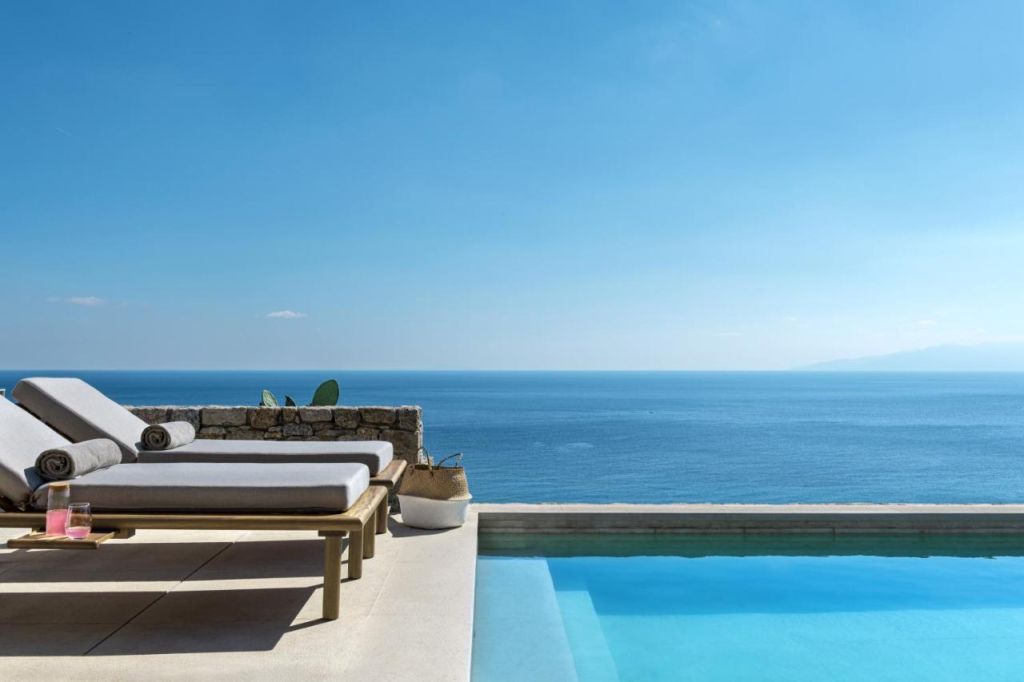
The reforms introduce tighter controls on commercial activity along coastal areas, with particular focus on limiting the number of sunbeds and umbrellas available for rent. Authorities say the goal is to preserve open space for both visitors and the environment, while reducing the visual and ecological impact of overcrowded beach infrastructure.
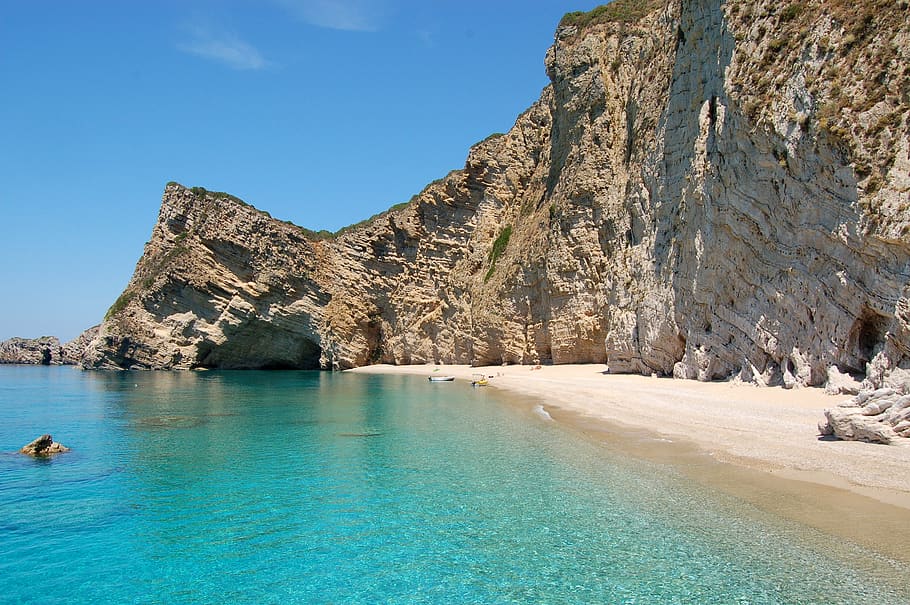
In addition, the government is expanding designated protected zones, where construction and the installation of beach facilities will be completely prohibited. These measures are intended to safeguard some of the country’s most vulnerable and “untouched” coastal areas.
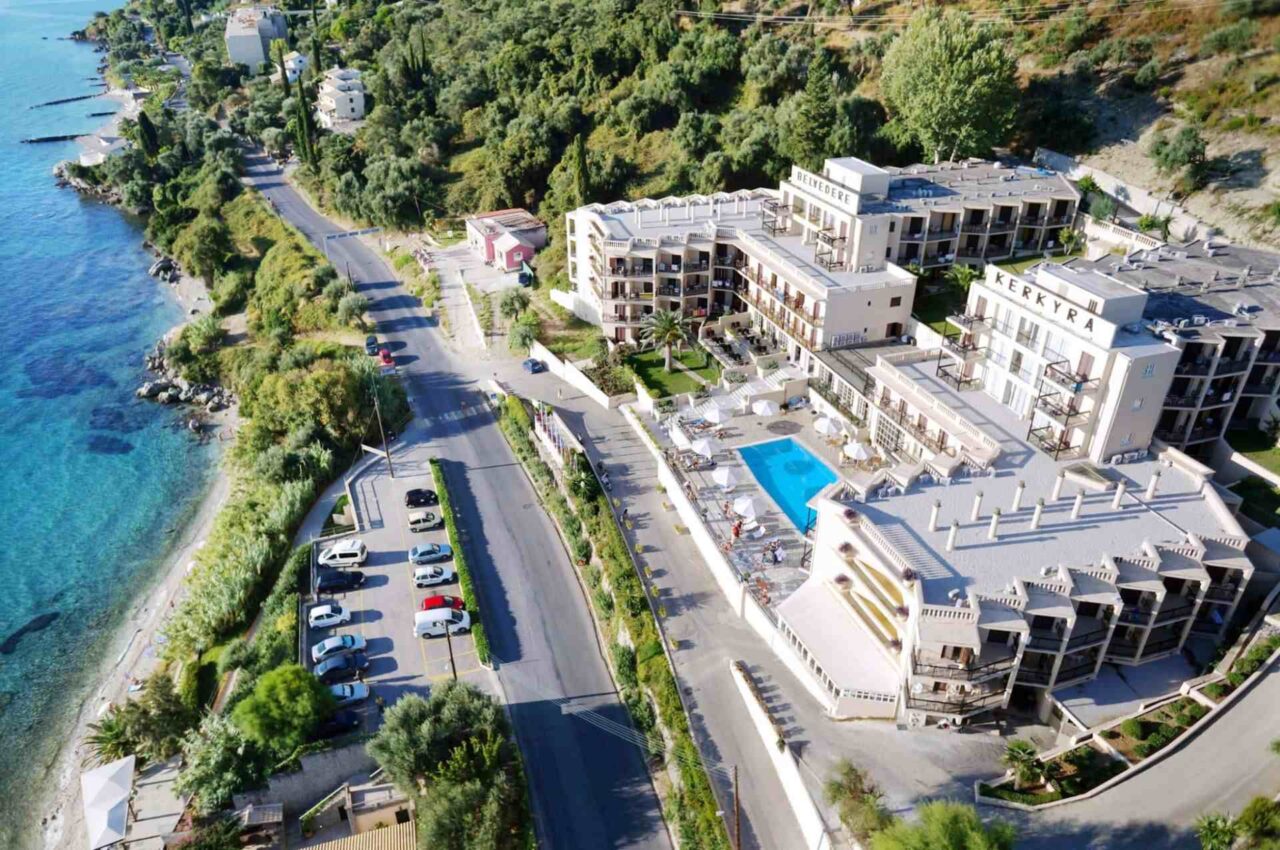
Officials say the move reflects growing concern that excessive tourism is beginning to damage the very landscapes that attract visitors. Popular islands and mainland destinations have struggled to cope with peak-season demand, leading to overcrowding and environmental strain.
While tourism remains a cornerstone of the Greek economy, authorities are increasingly prioritising sustainability and long-term preservation over short-term growth.
For travellers, the changes are expected to reshape the beach experience. Finding free, unoccupied space may become easier, but access to organised beach areas with sunbeds could be more limited. Industry observers also warn that reduced supply may lead to higher rental prices in popular destinations.
The government is urging visitors to adopt more responsible travel behaviours and support efforts to protect local ecosystems, as Greece joins a growing number of destinations introducing measures to manage tourism pressure.
The new rules are expected to come into force ahead of the peak summer season, marking a significant shift in how one of Europe’s most visited destinations balances tourism with environmental protection.