Armenia’s tourism sector is entering a new phase of development, supported by record visitor numbers, ambitious government targets and growing investment in tourism infrastructure across the country.
Positioned between Europe and Asia, Armenia continues to strengthen its appeal as a destination that combines cultural heritage, religious tourism, mountain landscapes, wine regions, wellness experiences and an increasingly vibrant urban lifestyle. According to the U.S. Department of Commerce, the country’s combination of natural beauty, historical significance and cultural attractions has helped sustain strong tourism growth in recent years.
While Yerevan remains Armenia’s primary tourism hub, regional destinations such as Dilijan, Tsaghkadzor, Gyumri, Tavush and Areni are playing a growing role in the country’s tourism strategy as authorities seek to distribute visitor spending more widely across the country.
Tourism demand reaches new highs
According to Armenia’s Ministry of Economy, the country welcomed 2,263,642 international visitors in 2025, representing a 2.5% increase compared with 2024 and a 19.4% increase over 2019 levels. The figure places Armenia comfortably above its pre-pandemic tourism performance and highlights the sector’s continued resilience.
Official data suggests the positive trend has continued into 2026. According to Armenia’s Statistical Committee, the country recorded more than 453,000 tourist arrivals during the first quarter of the year, while government officials have reported record visitor numbers during the opening months of 2026.
According to Armenia’s Tourism Committee, Russia remains the country’s largest source market, although Armenia has also been attracting growing numbers of visitors from neighbouring countries, Europe, the United States and Asia.
The Armenian diaspora continues to represent an important source of tourism demand, while major cultural events, festivals and international conferences have helped strengthen Yerevan’s profile as an emerging city-break destination.
Armenia is also expected to benefit from closer integration with European markets. The country continues to deepen its cooperation with the European Union through the Comprehensive and Enhanced Partnership Agreement (CEPA), while discussions surrounding further mobility facilitation and economic integration are strengthening ties with Europe. For the tourism sector, closer links with the EU could support additional airline routes, increased visitor flows, higher investment levels and greater international visibility.
Government targets three million visitors by 2030
In January 2026, the Armenian government approved its Tourism Development Strategy for 2026-2030, which aims to attract at least three million international visitors annually by the end of the decade. The strategy also targets approximately US$3.8 billion in tourism revenue, 4.5 million domestic tourist visits and the creation of thousands of additional tourism-related jobs.
According to the Ministry of Economy, the strategy focuses on improving tourism infrastructure, strengthening destination marketing, attracting investment, expanding internationally recognised brands and enhancing the quality of tourism services throughout Armenia.
Additional support is coming from international institutions. In April 2025, the World Bank approved a US$100 million programme designed to improve tourism infrastructure, attract private investment and support tourism development across seven priority destinations in Armenia.
Yerevan remains the centre of tourism activity
Home to approximately 1.1 million residents, Yerevan remains the centre of Armenia’s tourism economy and serves as the country’s main gateway for international visitors.
The city has developed a reputation for its walkable urban centre, café culture, museums, restaurants and cultural attractions. According to the U.S. Department of Commerce, Armenia’s continued growth in visitor arrivals reflects efforts to diversify tourism products and enhance the country’s international profile.
Air connectivity has become one of the strongest drivers of tourism growth. Zvartnots International Airport handled more than 5.6 million passengers in 2025, reflecting continued growth in international travel demand and reinforcing Yerevan’s role as a regional aviation hub. Authorities are planning major airport expansion projects to accommodate future passenger growth.
A significant recent development has been the launch of direct Turkish Airlines services between Istanbul and Yerevan. The flag carrier began operating the route in March 2026 and has rapidly increased frequencies, reaching up to 14 weekly flights during the summer season. The new connection provides Armenia with access to one of the world’s largest airline networks through Istanbul, improving connectivity with Europe, North America, the Middle East, Asia and Africa.
Hotel development activity gathers pace
Growing tourism demand is also encouraging new investment in Armenia’s hospitality sector. According to industry participants at the Hospitality Investment Forum (HIF) Yerevan, international hotel operators are increasingly exploring opportunities across the country as visitor numbers continue to rise and the government prioritises tourism development. The annual forum has become one of the region’s key platforms for connecting investors, developers, hotel brands and financial institutions interested in hospitality projects.
Several international hotel groups have either expanded their presence in Armenia or announced plans to pursue additional opportunities. Companies including Accor, Hilton, IHG Hotels & Resorts, Marriott International and Wyndham Hotels & Resorts have all participated in discussions around future development opportunities, reflecting growing international confidence in Armenia’s tourism potential.
According to Accor, the group has continued to strengthen its presence in Armenia through new hotel agreements, including projects aimed at supporting both business and leisure tourism. Industry observers believe the arrival of internationally recognised brands can help improve service standards, increase destination visibility and attract a broader range of international travellers.
While Yerevan remains the primary focus for hospitality investment, interest is also growing in regional destinations such as Dilijan, Tsaghkadzor and Lake Sevan, where authorities are encouraging tourism-related development as part of broader efforts to diversify the country’s tourism economy.
The Armenian government’s Tourism Development Strategy for 2026-2030 also identifies accommodation development as an important component of the country’s long-term tourism growth plans, alongside infrastructure improvements, destination marketing and regional tourism investment.
Regional destinations gain momentum
Regional destinations are becoming increasingly important within Armenia’s long-term tourism strategy. According to the government’s tourism development programme, the country intends to develop several regional tourism clusters to encourage visitors to explore destinations beyond the capital.
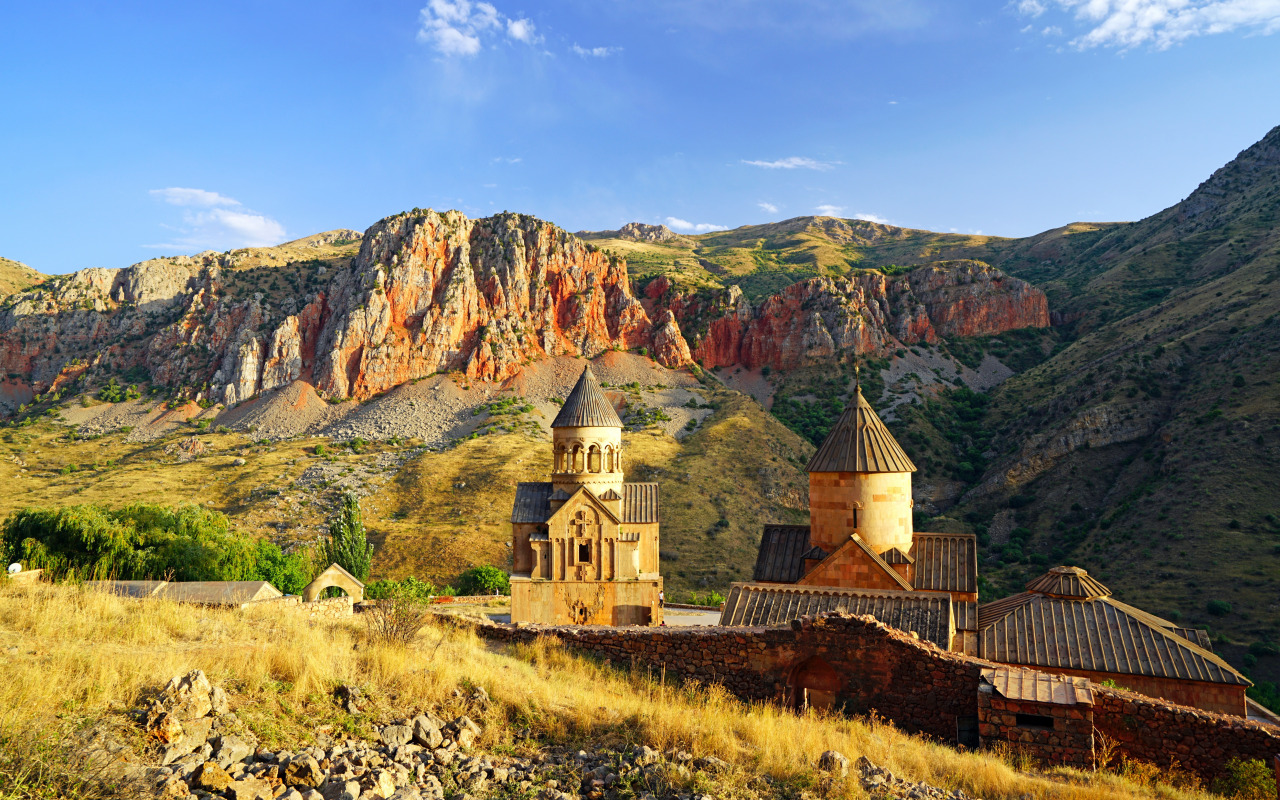
Dilijan continues to attract visitors with its forests, wellness facilities and outdoor recreation opportunities, while Tsaghkadzor remains one of Armenia’s leading mountain tourism destinations. Gyumri’s cultural heritage, Tavush’s natural landscapes and Areni’s growing reputation as a wine tourism destination are helping broaden the country’s tourism offering.
The World Bank’s tourism investment programme is also focused on supporting infrastructure and tourism development in priority regional destinations, reflecting the government’s objective of creating a more geographically diversified tourism sector.
Outlook remains positive
Armenia’s tourism sector appears well positioned for continued expansion. According to the government’s 2026-2030 Tourism Development Strategy, investments in infrastructure, destination development, tourism services and international promotion are expected to support further growth over the coming years.
With visitor numbers continuing to rise, increasing international visibility and a clear long-term development strategy in place, Armenia is steadily strengthening its position as one of the Caucasus region’s most promising tourism destinations.
Based on the article by Dayk Balyozyan.