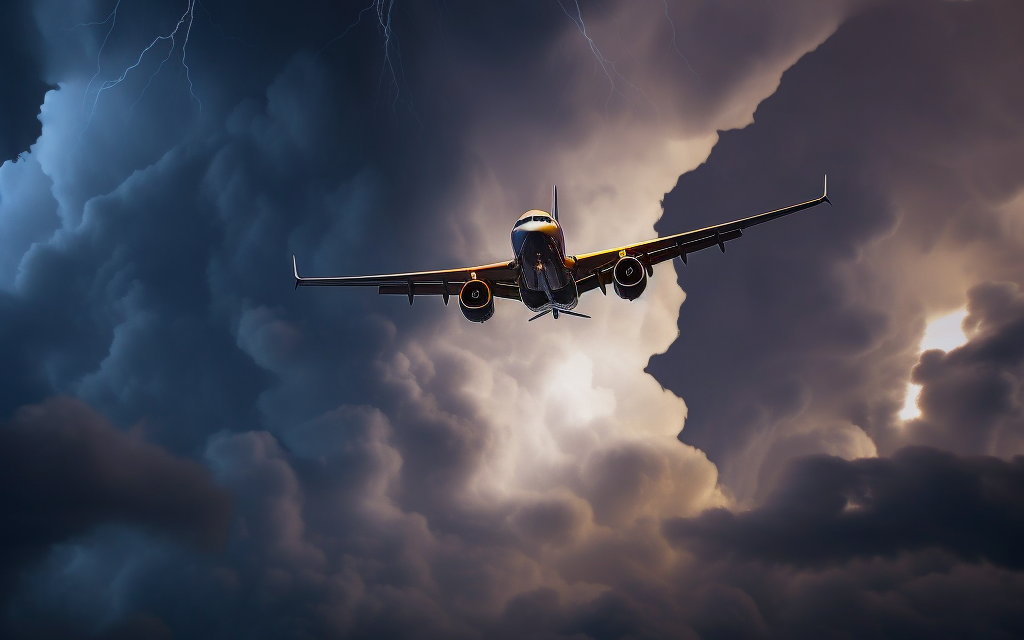
Five people were injured after a Eurowings flight from Rhodes to Cologne encountered severe turbulence while flying over the Balkans, with aviation reports suggesting the disturbance may have been caused by wake turbulence from a larger aircraft ahead.
Flight Encountered Severe Turbulence Over The Balkans
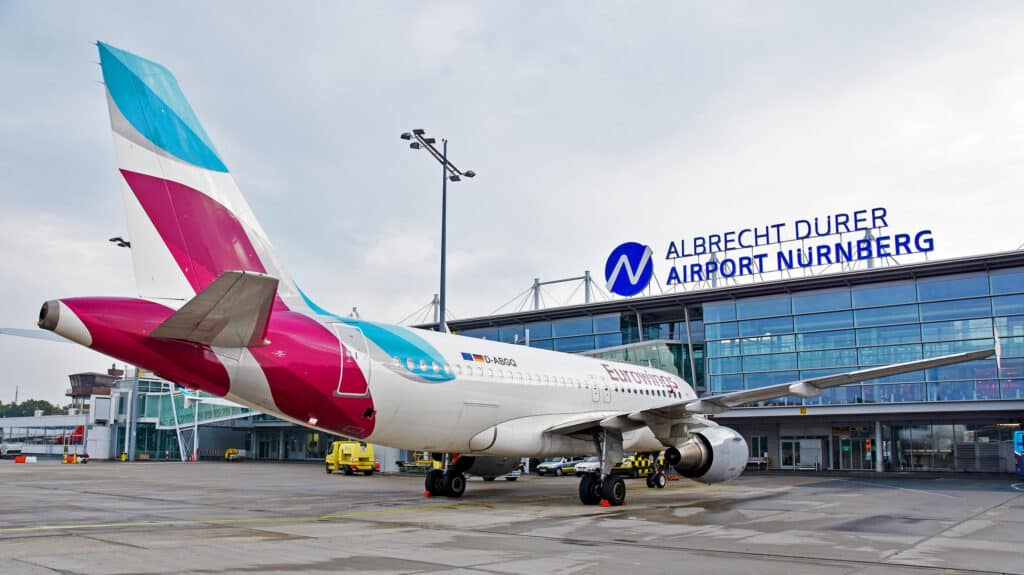
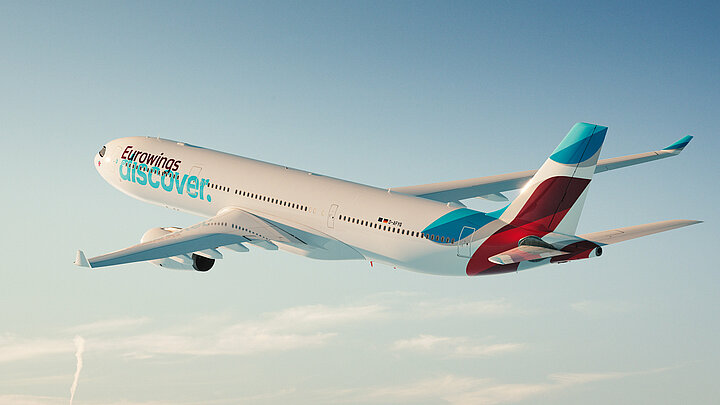
The incident occurred on May 31 aboard an Airbus A320 operated by Eurowings travelling from Rhodes to Cologne.
The aircraft was carrying 157 passengers when it encountered strong turbulence during the cruise phase of the flight.
According to reports, four passengers and one cabin crew member suffered minor injuries.
Wake Turbulence From Larger Aircraft Suspected
Aviation reports suggest the turbulence may have been linked to wake vortices created by an Airbus A380 flying ahead of the Eurowings aircraft.
The larger aircraft, operated by Emirates, was reportedly flying from Dubai to London.
Wake turbulence occurs when large aircraft generate powerful rotating air currents behind them that can affect following aircraft if separation distances become insufficient.
Crew Continued Flight To Cologne
Despite the turbulence encounter, the flight crew continued the journey and landed safely in Cologne.
Medical personnel examined injured passengers and crew members shortly after arrival.
Airline representatives said all reported injuries were minor.
Turbulence Continues To Challenge Airlines
While aircraft are designed to withstand significant turbulence, sudden encounters remain capable of causing injuries when passengers or crew are not seated or restrained.
Wake turbulence incidents are relatively uncommon but remain closely monitored because very large aircraft can generate powerful air disturbances that persist for considerable distances.
Air traffic control systems normally apply separation rules specifically designed to reduce such risks.
Passenger Safety Remains Key Focus
The incident serves as another reminder for passengers to follow seatbelt guidance even when seatbelt signs are switched off.
Aviation safety experts frequently note that unexpected turbulence events remain one of the most common causes of non-fatal injuries onboard commercial flights.