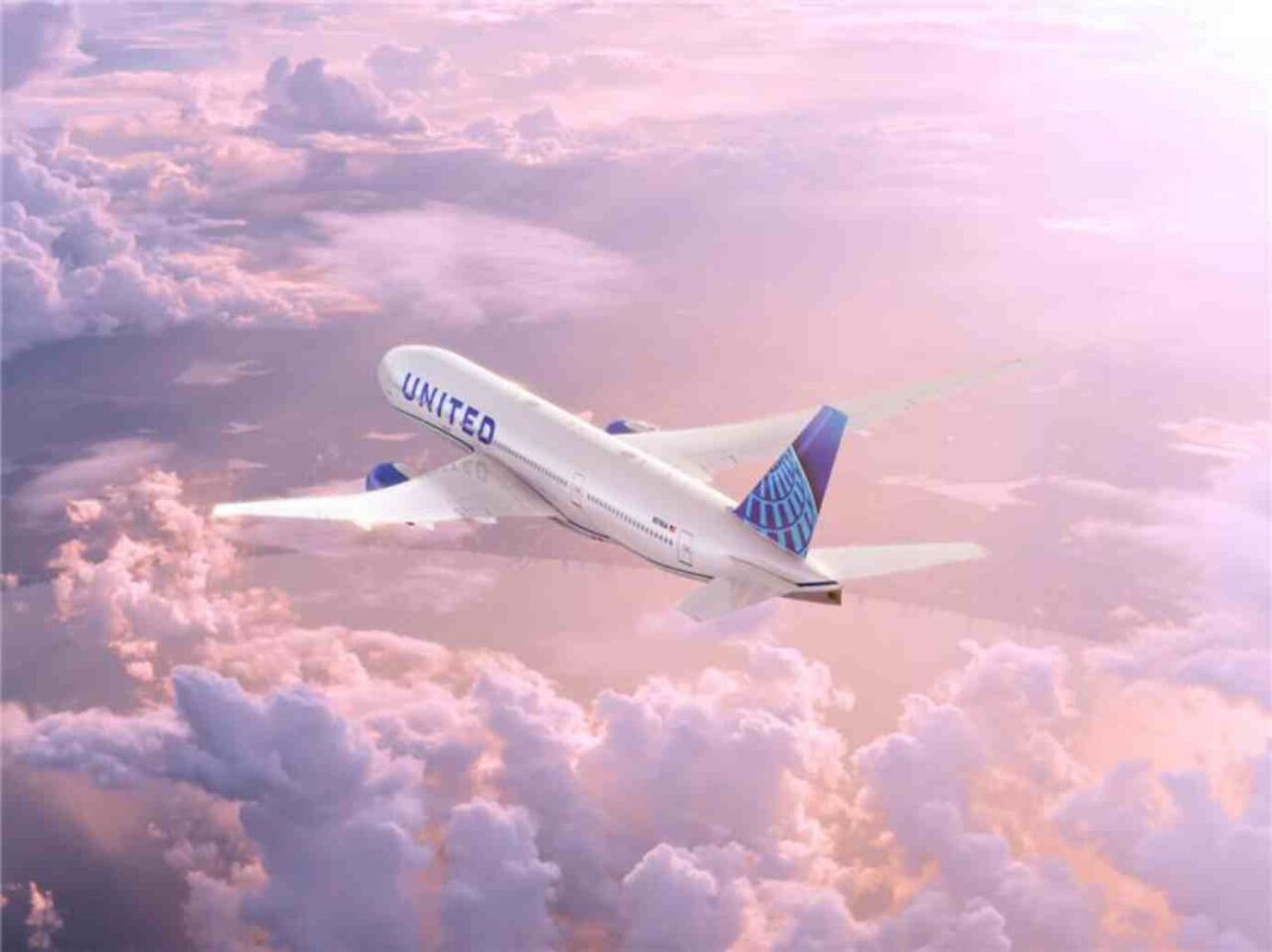
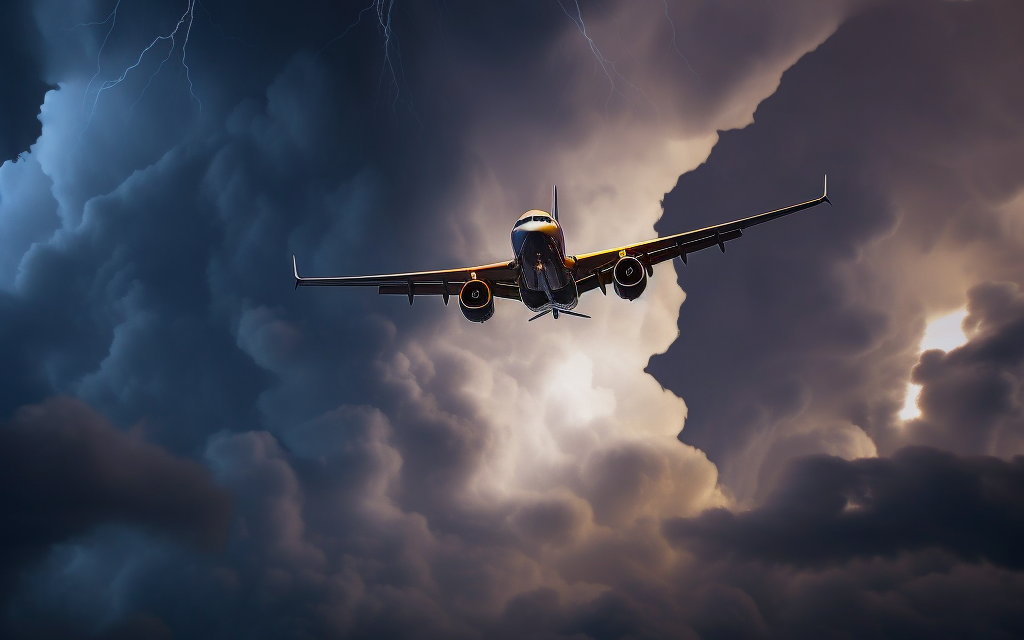
Air travel has always come with bumps, but scientists warn that turbulence today is not what it was half a century ago. Reports suggest that it is not only becoming more frequent, but also more violent — and much of the concern centers on clear-air turbulence, the invisible kind that strikes without warning in seemingly calm skies, according to Interesting Engineering.
Unlike turbulence around storms or heavy clouds, clear-air turbulence forms high above the ground, around 30,000 feet, where jet streams whip through the atmosphere. When these fast ribbons of air collide with slower-moving currents, they create powerful wind shear that destabilizes the skies. The danger is that radar cannot detect it, meaning passengers and crew may have no warning.
“The problem is we can see something like a storm clearly,” said Ahmed Busnaina, distinguished professor at Northeastern University. “With clear-air turbulence, there is no way you can see it. The technology doesn’t exist today.”
That invisibility makes it particularly hazardous. Without seatbelts fastened, sudden jolts can cause serious injuries — and in rare cases, fatalities. In 2024, turbulence on a London–Singapore flight turned deadly, underscoring just how dangerous these events can be. FAA data shows that between 2009 and 2021, turbulence seriously injured more than 140 passengers and crew in the United States alone.
Technology’s race to catch up
Aviation engineers are working on ways to detect turbulence before planes fly into it. Boeing and others are testing Light Detection and Ranging (LIDAR) systems, which could give pilots up to 10 miles of warning. For now, however, pilots rely mainly on weather forecasts and reports from other flights.
Aircraft themselves are also more resilient. Modern planes have flexible wings, advanced autopilot systems, and aerodynamic designs that handle turbulence better than older models. Yet experts caution that avoidance is still the best strategy.
The climate question
One of the most pressing debates is whether climate change is making turbulence worse. Warmer air, fueled by rising carbon dioxide levels, is altering the jet stream. A 2023 study found that severe clear-air turbulence had increased by as much as 55% since 1979, particularly in midlatitude regions where most commercial flights cruise.
While evidence points toward a climate connection, scientists urge caution. Limited data and complex atmospheric models make definitive conclusions difficult. Still, as Auroop Ganguly, professor of civil and environmental engineering at Northeastern, notes, airlines need to prepare for a range of possibilities: “We do need to consider the plausible ranges of behavior through risk and resilience-based frameworks, especially in the design of airplanes.”
What passengers can do
Until better detection systems are standard, the simplest safety measure remains the most effective: keep your seatbelt fastened, even when skies look calm.
For the aviation industry, turbulence is no longer just a matter of comfort. It is a safety issue, a financial challenge, and a climate story all rolled into one. And as skies grow more unstable, both science and technology are racing to keep pace.