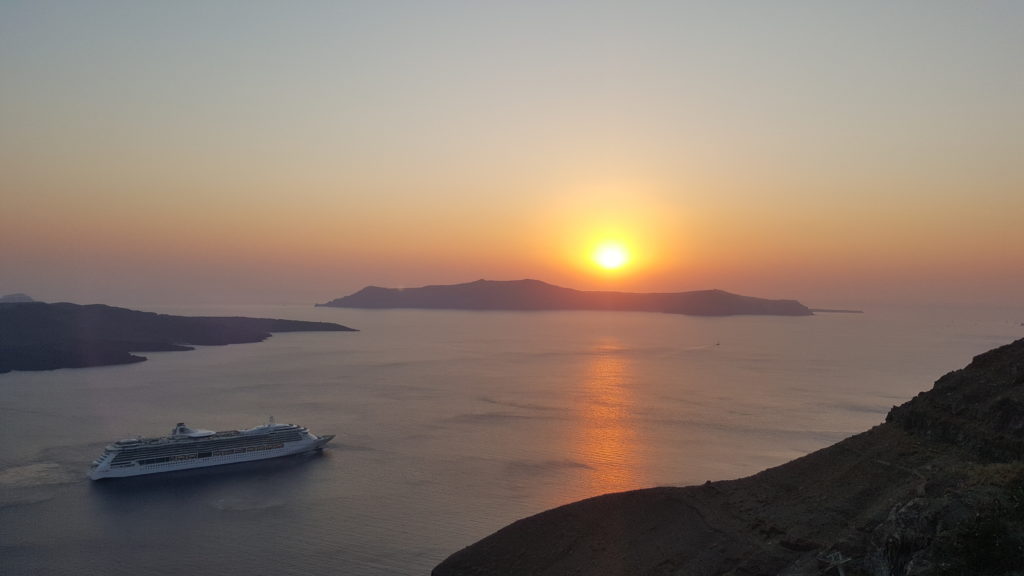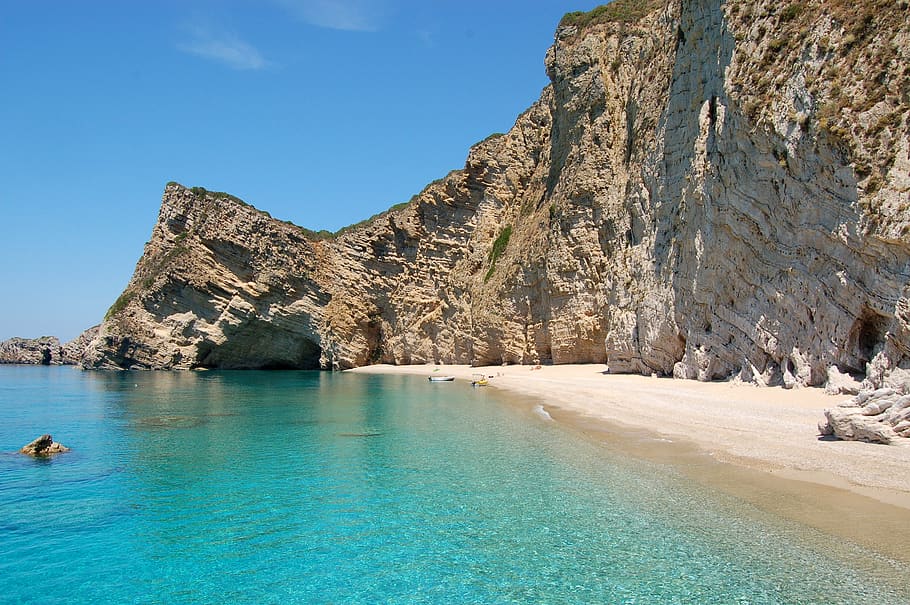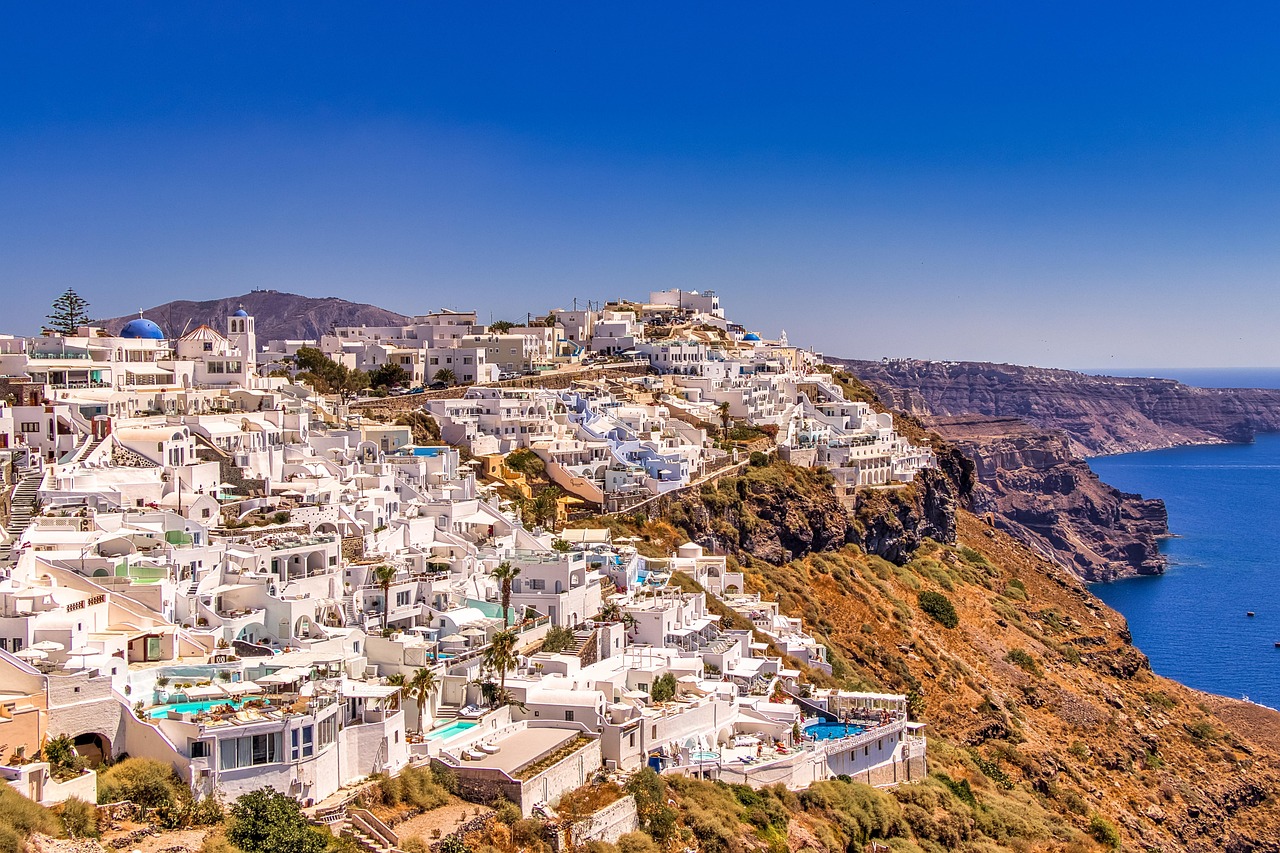
Mykonos and Santorini may be Greece’s most famous islands, but their biggest drawback is the same thing that made them famous in the first place – overwhelming crowds.
According to a new roundup from The Independent, there are still plenty of Greek islands offering the same whitewashed villages, dramatic cliffs and turquoise swimming coves, but without the cruise-ship density and packed beach clubs.
The report highlights eight under-the-radar islands worth putting on a 2026 travel list, including one Cycladic island with a monastery built into a cliff – a place the newspaper suggests is still largely known only to Italian and French travellers.
1. Amorgos (Cyclades)
Amorgos was one of the filming locations for Luc Besson’s cult classic The Big Blue, a film closely associated with freediving. Despite this, it remains relatively unknown, largely because it has no airport.
Getting there requires commitment: direct high-speed ferries from Piraeus can take up to seven hours. For travellers willing to make the journey, the reward is a strikingly beautiful island with a quieter, more authentic feel.
2. Alonissos (Sporades)
Alonissos stands out even in the wildlife-rich Aegean. Its waters are protected as part of the Alonissos Northern Sporades National Marine Park – the largest marine reserve in Europe, covering around 870 square miles.
Boat trips here can reveal Mediterranean monk seals, one of Europe’s rarest mammals, as well as dolphins, sea turtles and Eleonora’s falcons.
3. Astypalaia (Dodecanese)
Butterfly-shaped Astypalaia is described as a destination of empty beaches and untouched islets.
Its key landmark is Keryni Castle, a Venetian fortress dating back to the 13th century. It sits above the capital, Chora, surrounded by a cascade of white houses running down the hillside.
4. Ithaca (Ionian Islands)
Sitting between popular Kefalonia and the Greek mainland, Ithaca is positioned as an ideal middle ground – remote enough to feel disconnected, but developed enough to be comfortable.
The Independent recommends renting a car to explore its winding roads and villages, which lead to beaches that rarely host more than a few dozen people. For the best swimming, travellers are advised to hire a boat from Vathy and explore the bays along the east coast.
5. Hydra (Saronic Gulf)
Hydra is hot and quiet, and its appeal is amplified by one key rule: vehicles are largely banned – even bicycles.
Visitors get around by water taxi, and luggage is transported by mules from the ferry port. The result is a peaceful, low-noise island that the report describes as particularly safe and relaxing, even for families with children.
6. Folegandros (Cyclades)
Folegandros is recommended primarily for its main village, Chora, perched on the edge of a 200-metre cliff.
A winding path leads up to the church of Panagia above the settlement, creating one of the most dramatic village walks in the Cyclades. Like Amorgos, the island has no airport, and a direct ferry from Athens can take up to six hours.
7. Paros (Cyclades)
Paros is gaining popularity, but still sits outside Greece’s mass-tourism core.
Italian and French travellers are increasingly discovering it, but not in numbers large enough to dominate the island. Even in peak season, the report says it is still possible to find space on beaches – including the famous Golden Beach.
8. Sifnos (Cyclades)
Sifnos is presented as one of the best islands in the Cyclades for food lovers.
It is the birthplace of Nikolaos Tselementes, often described as the most influential Greek chef of all time. The Independent notes that the island is known for offering some of the strongest Cycladic cuisine, with local cooking traditions that remain central to its identity.