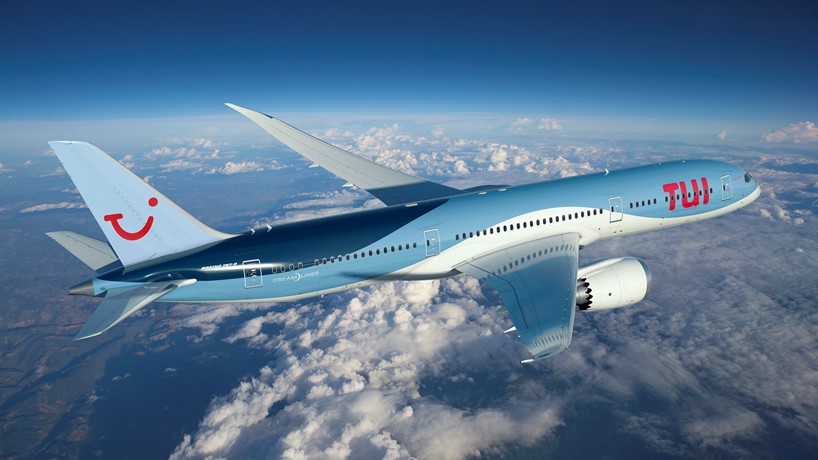
Tui has sought to calm concerns over potential jet fuel shortages this summer, saying it does not expect immediate supply disruptions despite ongoing tensions in the Middle East.
The travel group said the conflict involving Iran continues to affect customer booking behaviour, with travellers waiting longer before confirming holidays and shifting demand away from some Eastern Mediterranean destinations.
Tui Downplays Fuel Shortage Concerns
Tui chief financial officer Mathias Kiep said the company does not currently foresee any shortages of jet fuel over the coming weeks.
His comments come amid growing industry concerns that disruption around the Strait of Hormuz could affect global fuel supplies and airline operations.
Kiep described current discussions around fuel availability as “a little bit artificial,” indicating the company does not expect major operational impacts in the near term.
Customers Booking Later Than Usual
Tui said geopolitical tensions are causing holidaymakers to delay booking decisions for the summer 2026 season.
Airline bookings are currently running 7% below last year’s levels as customers increasingly book trips closer to departure dates rather than months in advance.
The company said demand has also shifted away from Eastern Mediterranean destinations including Turkey, Cyprus and Egypt.
Instead, travellers are increasingly choosing destinations in the Western Mediterranean.
Spain And Greece Lead Summer Demand
Tui said Spain, including the Balearic and Canary Islands, alongside Greece, are expected to be the company’s most popular destinations this summer.
The travel group believes customers continue prioritising destinations perceived as stable and secure amid ongoing geopolitical uncertainty.
Cruise Occupancy Also Impacted
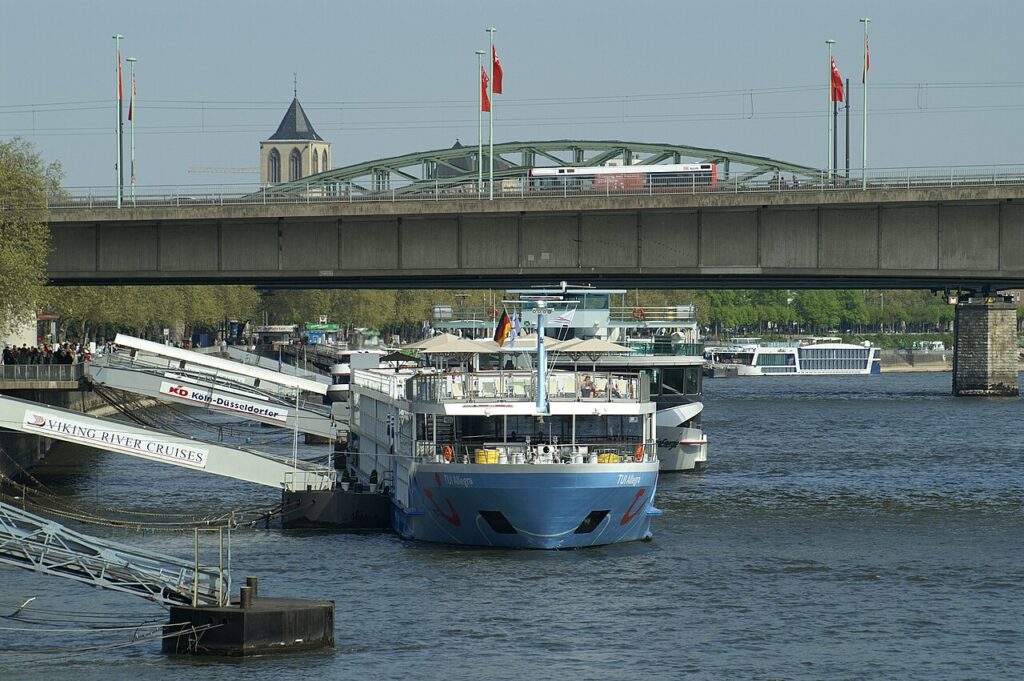
The company’s cruise business also experienced weaker performance during the quarter.
Occupancy levels fell from 97% to 93%, which Tui directly linked to the effects of the Iran conflict.
According to the company, occupancy would have reached 98% without the impact of regional tensions.
Tui has already absorbed a financial hit of approximately £35 million related to the crisis after repatriating around 5,000 cruise passengers from Abu Dhabi and Doha.
Profit Forecast Lowered
The German travel giant narrowed its quarterly loss by 9% to £163 million, slightly outperforming analyst expectations.
However, the company has reduced its annual profit guidance and now expects earnings between £960 million and £1.22 billion, lower than previous forecasts.
Tui has also suspended its earlier sales growth forecast as it continues monitoring consumer demand and geopolitical developments.
Travel Demand Remains Resilient
Despite weaker booking momentum, analysts said travellers are not abandoning holidays entirely but are instead delaying purchasing decisions.
Tui chief executive Sebastian Ebel said the company remains focused on offering customers security, flexibility and package holiday options during uncertain conditions.