
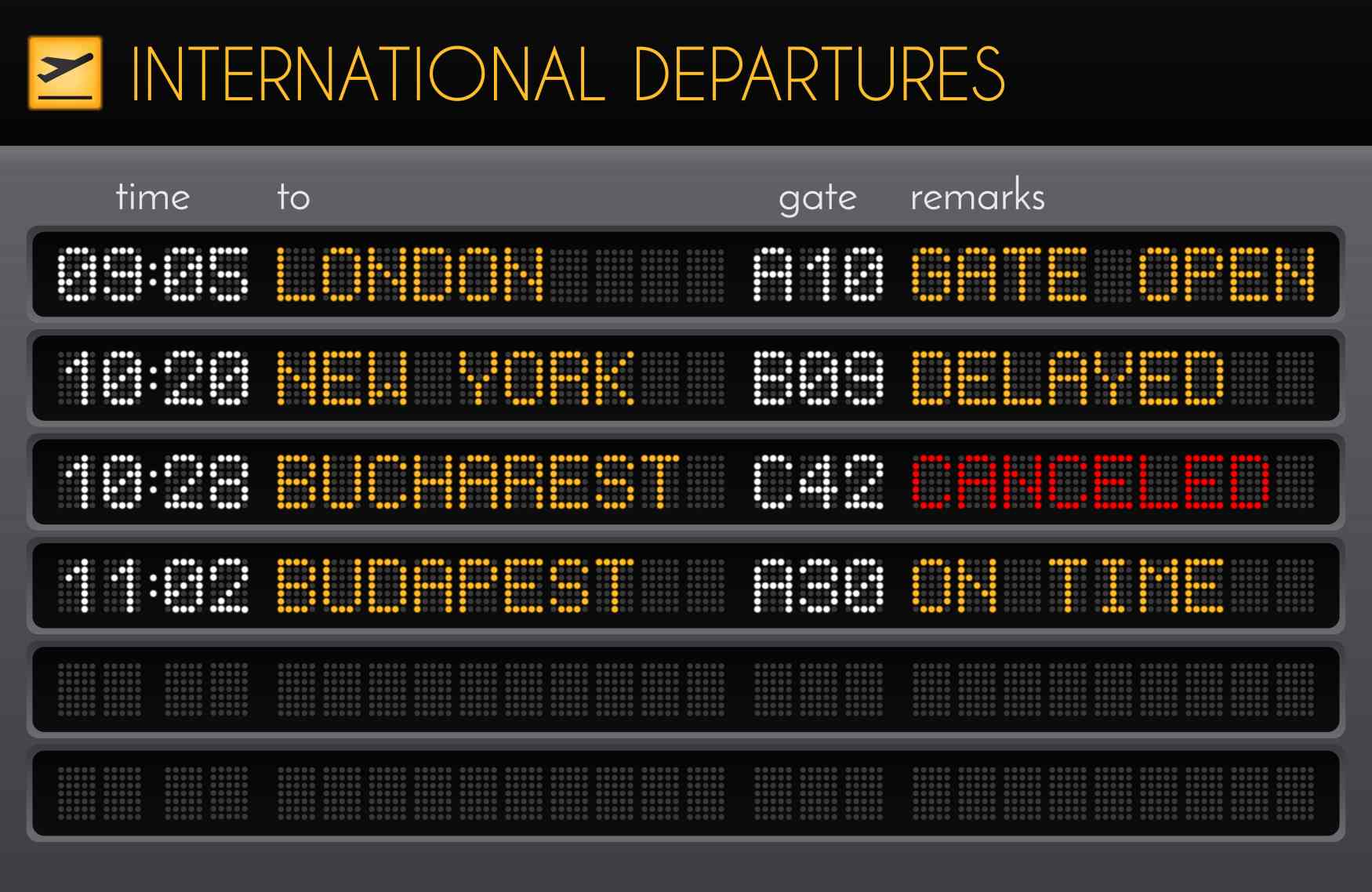
Extreme weather sweeping across the United States is causing significant disruption to air travel, with hundreds of flights cancelled and thousands delayed as severe storms move across the country.
Airlines and airports across several regions are facing operational challenges as tornado warnings, strong winds, and intense thunderstorms affect flight schedules, particularly in the Midwest and southern states.
Major U.S. carriers including Delta Air Lines, American Airlines, United Airlines and Southwest Airlines have all been impacted as weather systems force airlines to delay departures, cancel flights and adjust routes.
Hundreds of cancellations and thousands of delays
According to flight tracking data, more than 600 flights have been cancelled across the United States, while over 4,000 flights have been delayed as airlines navigate the severe weather conditions.
The disruptions come as a powerful storm system moves eastward across the country, producing tornadoes, heavy rain, lightning and damaging winds in multiple states.
Weather-related delays often spread quickly through the aviation network because aircraft and crew rotations are affected at multiple airports simultaneously.
Major aviation hubs affected
Some of the country’s busiest airports have experienced the largest disruptions.
Hartsfield-Jackson Atlanta International Airport, the world’s busiest airport by passenger traffic, has reported hundreds of delayed flights as thunderstorms passed through the region.
Chicago O’Hare International Airport and Dallas-Fort Worth International Airport have also faced significant operational challenges, with storms forcing airlines to cancel dozens of flights and delay hundreds more.
Airports in the New York metropolitan area are beginning to experience disruptions as the storm system continues moving toward the eastern United States.
Ground stops and safety measures
In some locations, aviation authorities implemented temporary ground stops, a safety measure that halts departures and arrivals until weather conditions improve.
Such measures are commonly used during severe thunderstorms or tornado threats to ensure aircraft can operate safely.
Passengers travelling through affected airports have been advised to check their flight status before leaving for the airport and to allow additional time for travel.
Further disruptions possible
Meteorologists warn that additional travel disruptions may occur over the coming days as the severe weather system continues moving across the country.
Airlines and airport operators are closely monitoring the situation and adjusting schedules where necessary.
For travellers, the current conditions highlight how quickly weather events can disrupt aviation networks, particularly during periods of widespread storms affecting multiple regions at once.