Severe thunderstorms combined with chronic air traffic controller shortages triggered the most significant disruption to air travel in the New York metropolitan area this summer during the early hours of July 11, leaving thousands of passengers stranded and causing widespread delays across the United States.
The Federal Aviation Administration’s (FAA) Air Traffic Control System Command Center implemented successive ground stops and ground delay programs at John F. Kennedy International Airport (JFK), LaGuardia Airport (LGA), Newark Liberty International Airport (EWR) and, at times, Philadelphia International Airport (PHL) as powerful storms moved through the region.
More Than 4,500 Flights Disrupted
By midnight, the disruption had escalated to more than 500 flight cancellations and over 4,000 delays, making it one of the busiest and most disruptive travel days of the summer for the Northeast corridor.
The combination of rapidly developing thunderstorms and limited controller staffing significantly reduced airport arrival and departure capacity, forcing the FAA to introduce traffic management initiatives throughout the evening. As delays accumulated, aircraft, crews and passengers became stranded across the network, with knock-on effects spreading to flights throughout the United States.
FAA Introduces Ground Stops
Ground stops temporarily halted departures bound for the affected airports, while ground delay programs slowed incoming traffic to match reduced operational capacity. These measures are routinely used to maintain safe separation between aircraft during periods of severe weather or constrained airspace capacity.
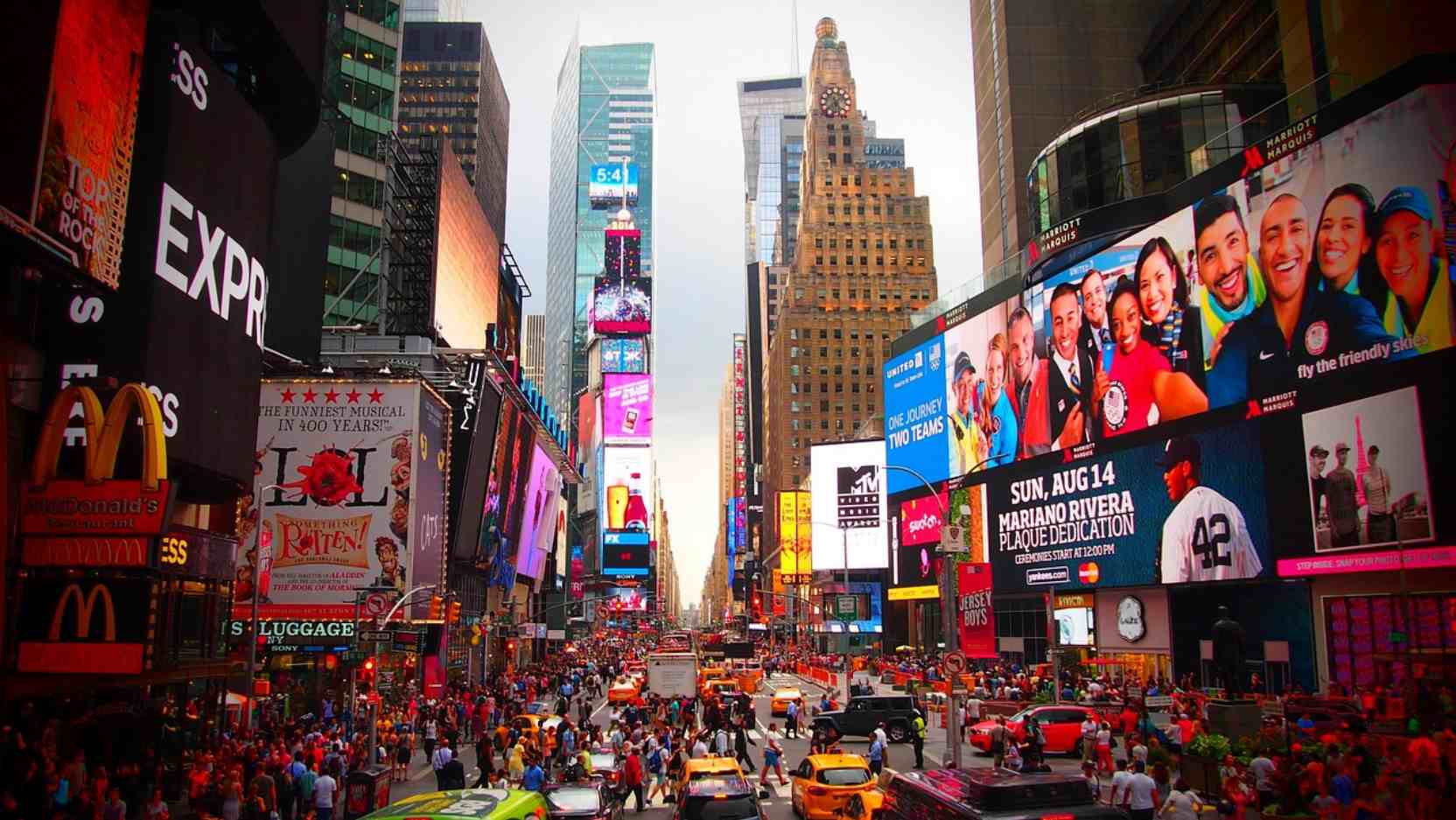
The New York metropolitan area contains some of the busiest and most interconnected airports in the world. Disruptions at JFK, LaGuardia and Newark frequently ripple across the national aviation system because airlines rely on these hubs for domestic and international connections.
Weather and Staffing Compound Disruptions
While summer thunderstorms regularly affect air travel in the northeastern United States, the impact was amplified by ongoing shortages of certified air traffic controllers. Reduced staffing limits the flexibility of air traffic management during periods of adverse weather, often resulting in longer delays and larger numbers of cancellations.
Airlines worked overnight to reposition aircraft and crews, although passengers continued to experience delays well after the storms had passed. Travellers were advised to monitor their flight status before leaving for the airport, as recovery from large-scale operational disruptions can take many hours.
The latest disruption once again highlights the vulnerability of one of the world’s busiest airspaces, where severe weather and staffing constraints continue to challenge airlines, airports and air traffic controllers during the peak summer travel season.