Amid one of the most severe disruptions to Middle Eastern aviation in years, many of the region’s key airports have been forced to suspend normal operations while a few have begun to reopen in limited capacities.
Regional airspace closures and airport shutdowns
The escalation of conflict involving the United States, Israel, and Iran has led to widespread airspace closures across much of the Middle East, grounding numerous flights and prompting mass cancellations.
Major close-downs have included:
- Dubai’s Dubai International Airport (DXB) and Dubai World Central (DWC), both of which were shut for more than 48 hours following airspace closure; only a limited number of flights have begun to resume with strict controls and confirmed bookings.
- Abu Dhabi’s Zayed International Airport (AUH), which saw suspensions of departures and limited flight resumption as authorities coordinate safe operations.
- Hamad International Airport (Doha, Qatar), previously closed as part of the wider airspace shutdown.
- Kuwait International Airport and Bahrain International Airport, also impacted by strikes and closures.
In many of these cases, airports remain non-operational for self-scheduled commercial travel, with services limited to emergency or special flights arranged by airlines or governments.
Airports gradually reopening and limited departures
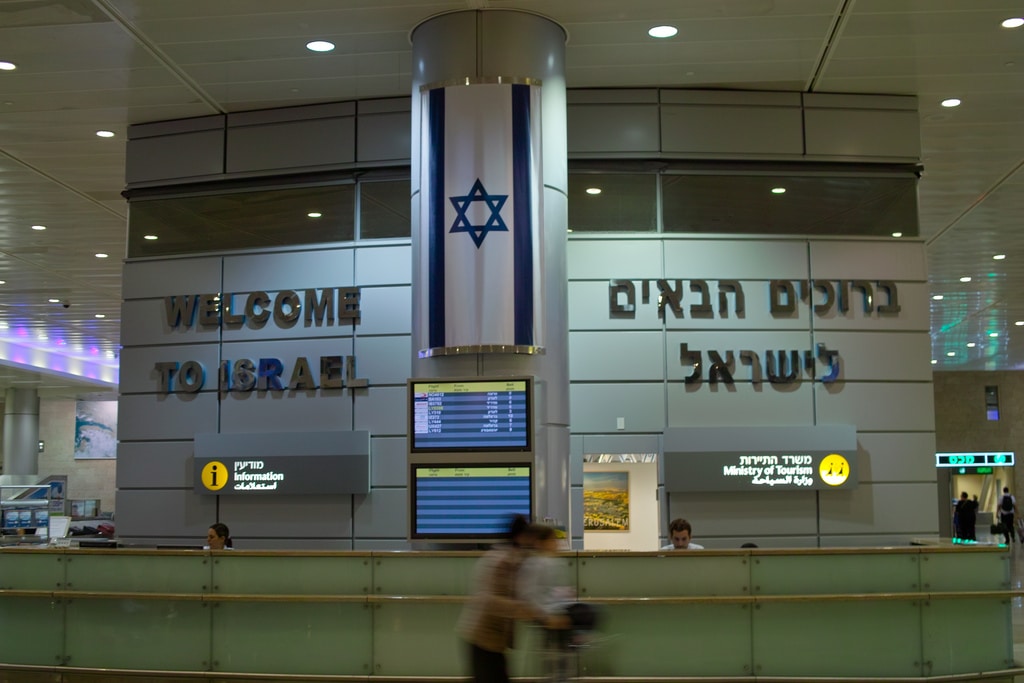
Ben Gurion Airport near Tel Aviv is scheduled to reopen in a highly restricted format, with initial operations conducted by local carriers and possible gradual expansion based on security conditions.
Dubai and Abu Dhabi airports have allowed a small number of flights to depart under controlled conditions; travelers are strongly advised not to travel to terminals unless contacted by their airline with confirmed flight details. Few Aeroflot, Emirates and FlyDubai flights departed today from DXB.
Authorities across the region continue to manage airspace and runway access carefully, with many restrictions still in place due to safety protocols.
Alternative routes and rerouting
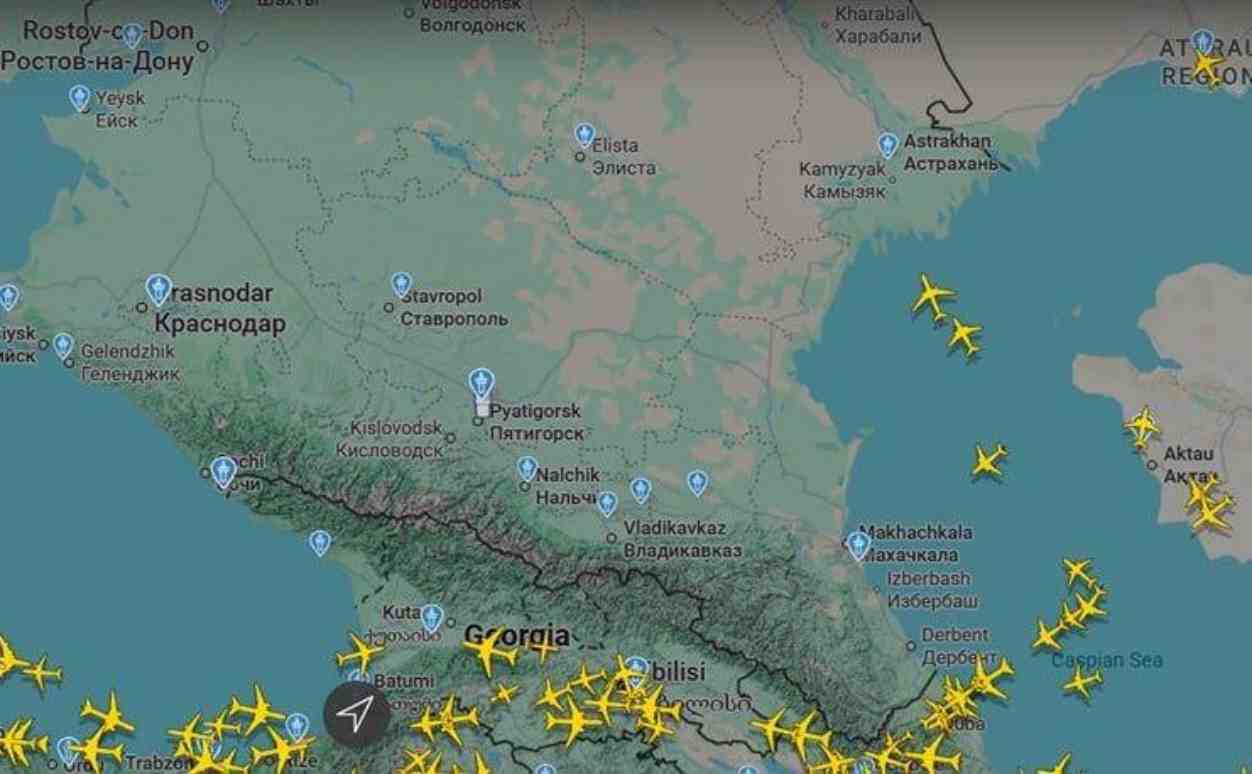
With significant portions of Middle Eastern skies closed or restricted, many international flights have been rerouted through northern corridors over Armenia, Georgia, and Azerbaijan to maintain connections between Europe and Asia.
Additionally, some carriers are bolstering services to alternative gateways such as Sharm el-Sheikh in Egypt, expanding flights to support repatriation and travel for passengers unable to transit through Gulf hubs.
With commercial routes disrupted elsewhere, executives stranded across the UAE and neighboring states are undertaking the roughly 10-hour drive from Dubai to Riyadh to access outbound flights.
In summary, while a handful of Middle Eastern airports are beginning to handle flights again, the region’s aviation network remains fragmented, with a combination of limited departures, suspended services, and rerouted traffic dominating the landscape.