Europe’s aviation safety framework is entering a new phase of complexity as geopolitical conflicts and emerging technologies begin to reshape the skies. The European Union Aviation Safety Agency (EASA) has issued a fresh warning over mounting risks to civil aviation, citing active conflicts and the rapid proliferation of drones as key factors forcing airlines into increasingly constrained flight paths.
The situation has intensified in recent weeks following the escalation of conflict involving Iran, which has already begun to disrupt traditional air routes between Europe and Asia. Airspace that once served as a critical transit corridor is now partially inaccessible, compelling airlines to reroute flights through alternative paths that are longer, more congested, and operationally demanding.
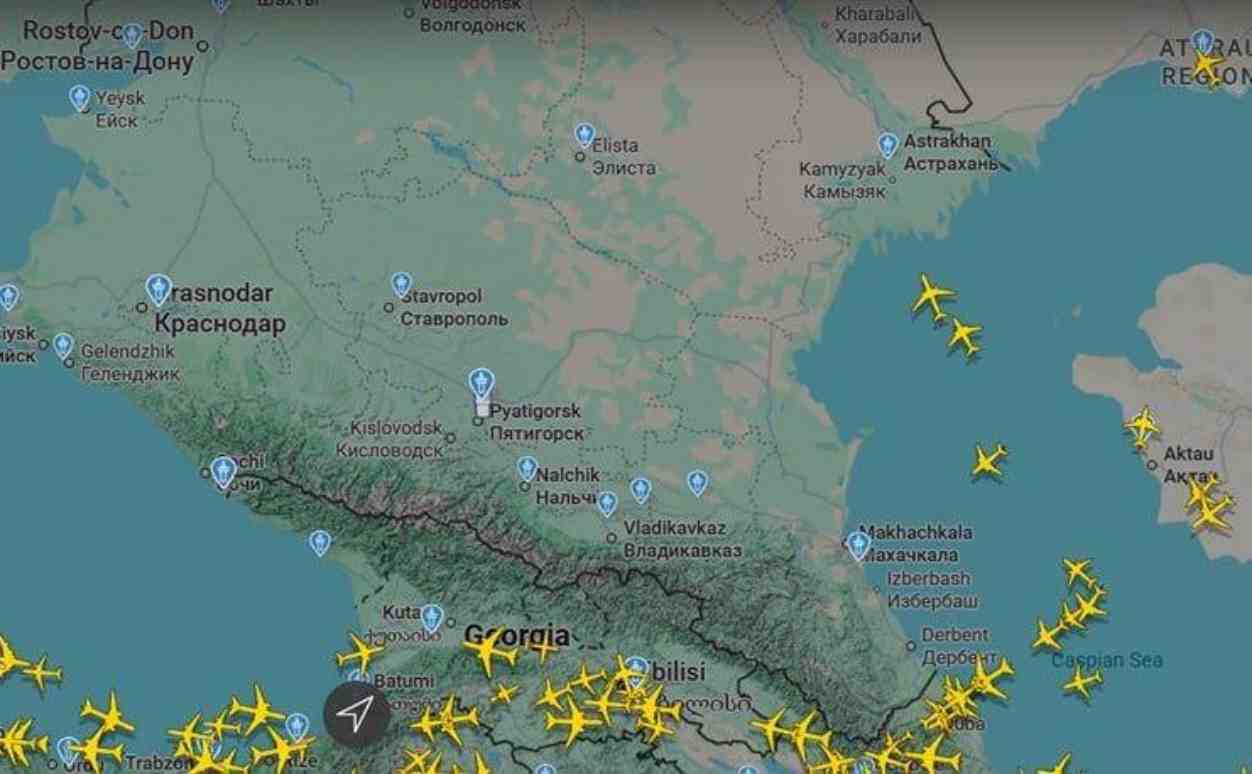
At the same time, the prolonged war between Russia and Ukraine continues to limit access to large portions of Eastern European airspace. Additional instability in regions such as the border areas between Pakistan and Afghanistan further complicates global flight planning. As a result, carriers are increasingly relying on narrower corridors, particularly those passing through Azerbaijan and parts of Central Asia, where traffic density is rising.
While pilots and air traffic controllers are trained to operate under elevated risk conditions, the margin for flexibility is shrinking. In some cases, the only viable response remains the closure of airspace or strict limitations on flight operations, adding pressure to an already strained global aviation system.
EASA, which represents 31 European countries, is now preparing updates to its aviation safety strategy in response to what it describes as a shifting threat landscape. Traditionally considered one of the safest modes of transport, aviation is now facing a convergence of risks that extend beyond conventional safety concerns.
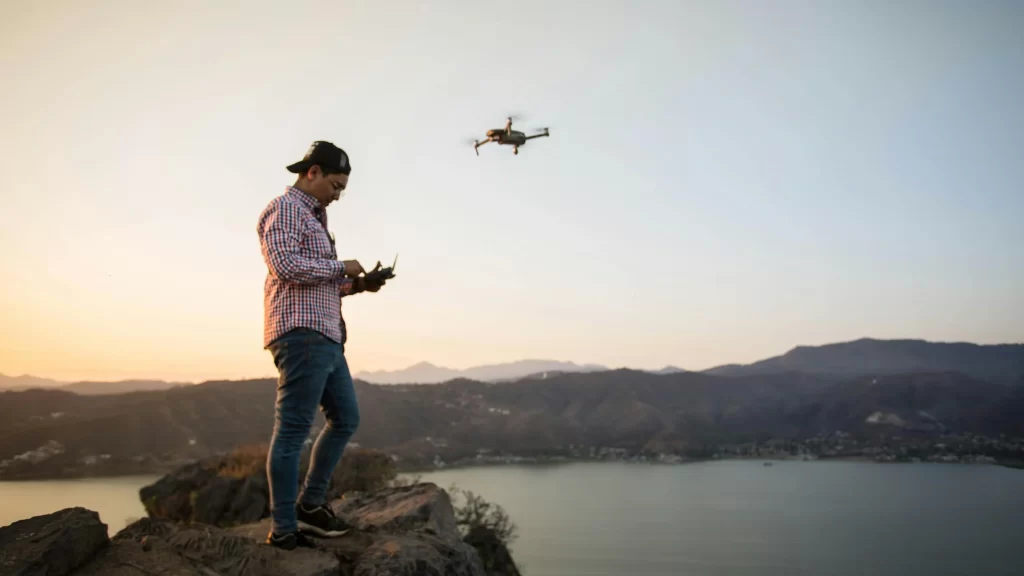
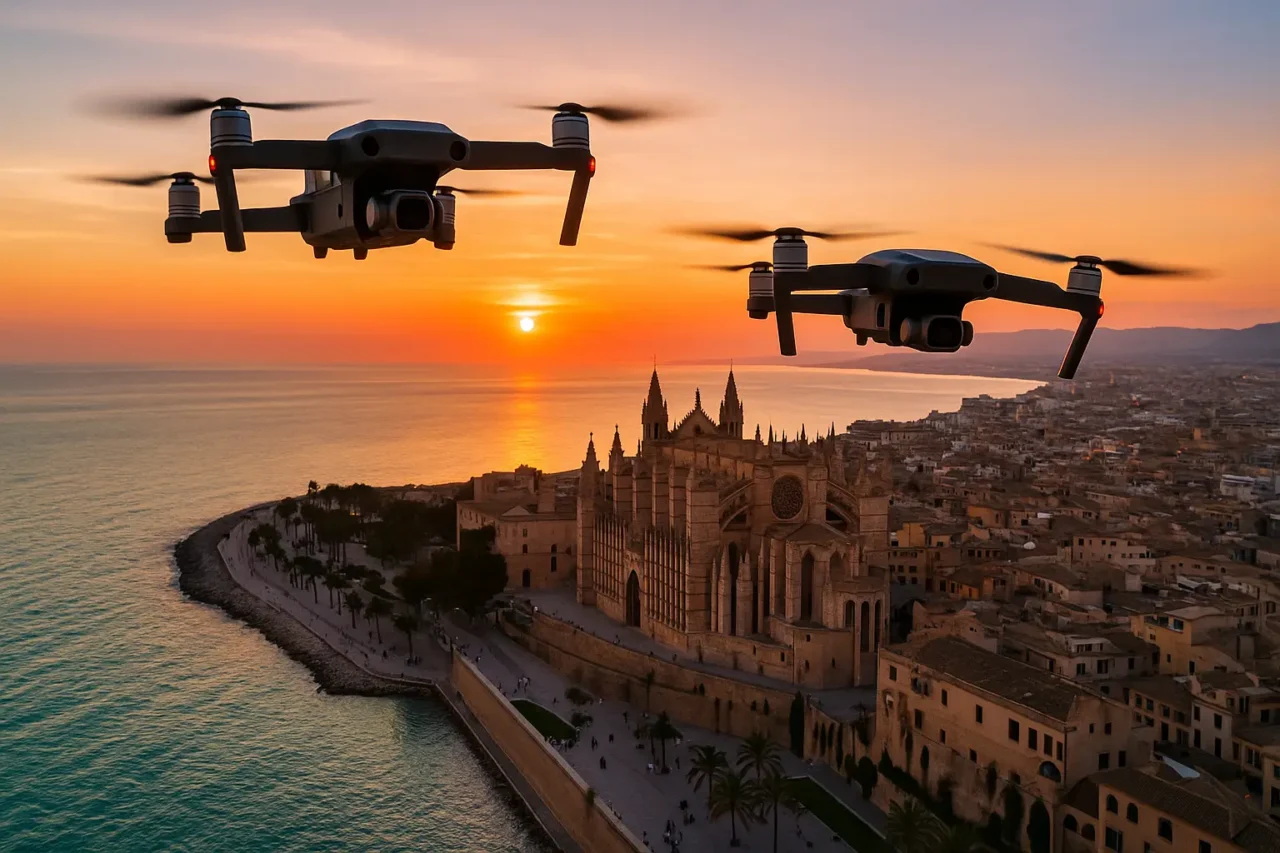
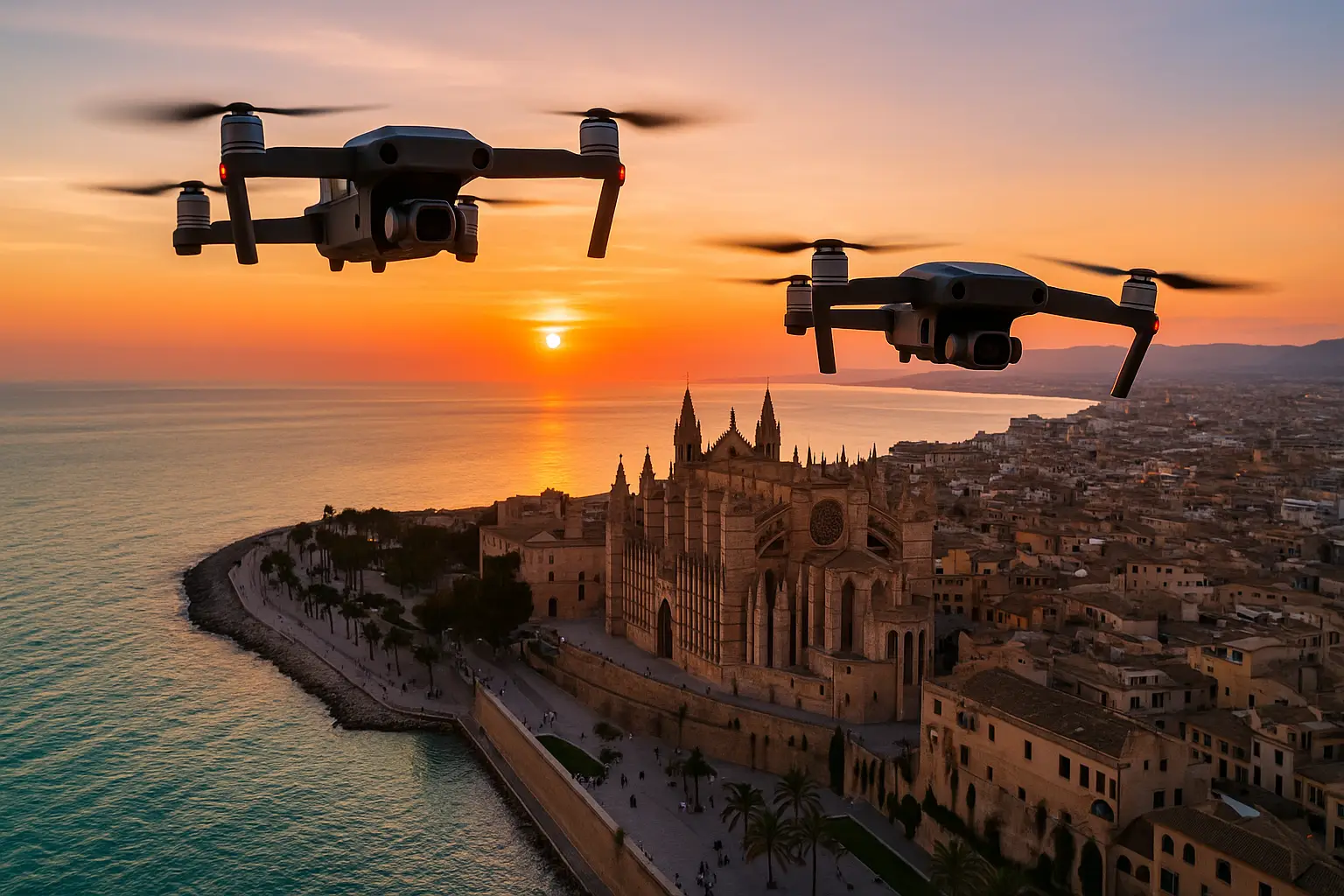
Among the most pressing issues is the increasing frequency of GPS signal interference, which can disrupt navigation systems and complicate flight operations, particularly during critical phases such as approach and landing. Alongside this, the rise in drone activity near civilian airports is emerging as a significant concern.
Incidents involving unmanned aerial vehicles are being reported more frequently across Europe, with airports from Stockholm to Munich experiencing temporary disruptions linked to drone sightings. Although direct links to military conflicts are not officially confirmed, experts suggest that some of these incidents may form part of broader hybrid warfare tactics, combining physical disruption with cyber and technological interference.
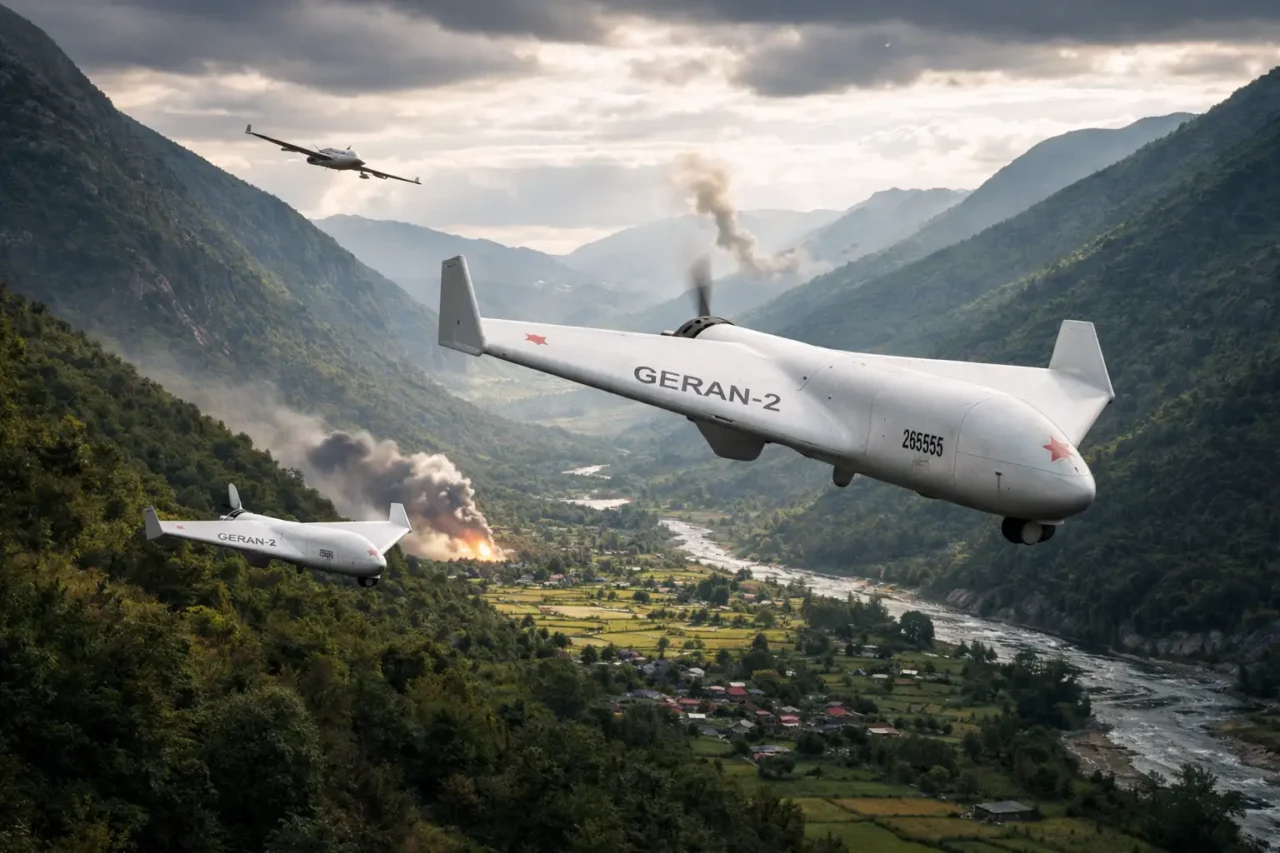
Since the full-scale invasion of Ukraine in 2022, drones have become a central element of modern warfare, accelerating their development and availability. This evolution is now spilling over into civilian environments, where the boundaries between military and non-military use are increasingly blurred.
In response to the evolving risks, EASA is advising airlines to avoid flying over Iran, Israel, and parts of the Persian Gulf until at least 10 April. The guidance reflects a precautionary approach aimed at minimizing exposure to rapidly changing and potentially volatile conditions.
As airlines adapt to this new reality, the industry is entering a period where operational resilience, real-time intelligence, and technological adaptation will become as critical as traditional safety protocols. The skies over Europe and beyond are no longer defined solely by geography, but by an increasingly complex web of geopolitical and technological challenges.