A sudden geopolitical shift has unlocked one of the world’s most critical maritime chokepoints – and with it, dozens of stranded cruise ships. But for travelers planning Mediterranean or Northern Europe cruises this year, the ripple effects are only just beginning.
In the early hours of April 17, a 10-day ceasefire between Israel and Lebanon came into force. Almost simultaneously, Iran reopened the Strait of Hormuz, allowing commercial vessels to exit the Persian Gulf for the first time in weeks. Within hours, cruise ships that had been effectively immobilized in ports across the UAE and Qatar began to move.
First ships break the standstill
Cruise operators had been preparing for this moment. After disembarking passengers weeks earlier, ships remained on standby, undergoing technical checks and even exploring the possibility of military escort.
The first to depart was Celestyal Discovery, operated by Celestyal Cruises, heading toward Muscat in Oman. It was quickly followed by Celestyal Journey, bound for the Omani port of Khasab.
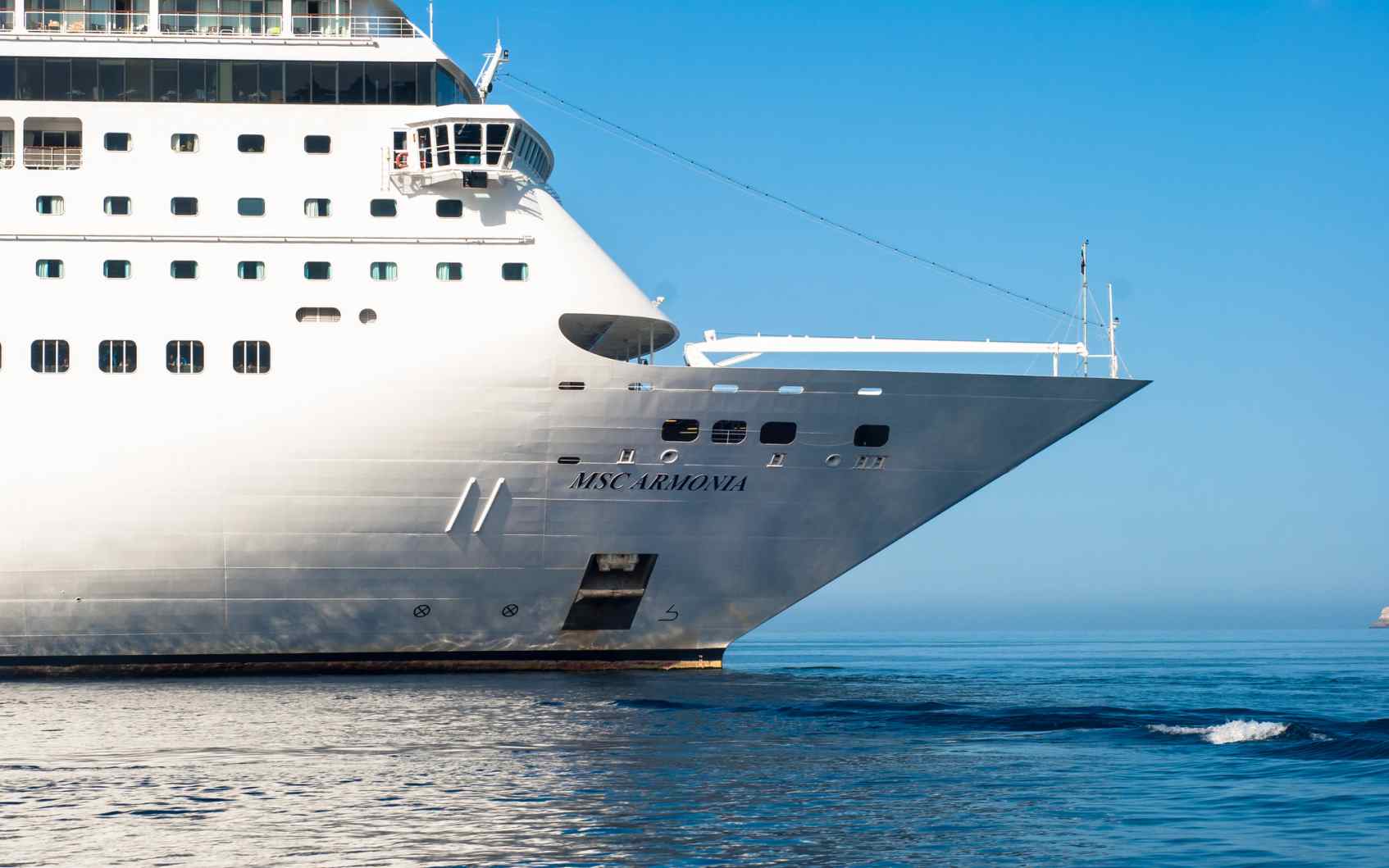
Soon after, Mein Schiff 5 from TUI Cruises and MSC Euribia from MSC Cruises joined the exodus. By the morning of April 18, Mein Schiff 4 had also left, later confirming Khasab as its destination. Only one vessel, Aroya, operated by Saudi Arabia’s Aroya Cruises, remained in the Gulf.
A maritime traffic jam in one of the world’s narrowest passages
Despite the rapid departures, leaving the Gulf proved far from straightforward.
The Strait of Hormuz – one of the busiest and narrowest shipping lanes in the world – quickly became congested. Commercial vessels had accumulated on both sides during the closure, creating a backlog that slowed progress for cruise ships.
While Celestyal Discovery successfully cleared the strait and is now heading toward the Suez Canal, several others – including MSC Euribia and ships from TUI Cruises – remain caught in heavy maritime traffic.
Insurance approvals, refueling logistics, and coordination with Iranian authorities added further complexity, even as operators moved quickly once clearance was granted.
Cruise cancellations hit Europe-bound itineraries
The disruption is now spreading into Europe’s cruise calendar.
Many of the affected ships were scheduled to reposition for spring and summer itineraries in the Mediterranean and Northern Europe. These include routes across the Greek islands, Turkey, and Norway’s iconic fjords.
Celestyal Cruises has already canceled sailings through the end of April. Operations are expected to resume in early May, with short cruises in Greece followed by longer itineraries covering Italy and Croatia.
MSC Cruises has canceled three Norwegian fjord sailings through May 17 – a significant blow for travelers. Demand for these routes had surged after Norway tightened environmental regulations in 2026, limiting access for diesel-powered ships in protected UNESCO fjords like Geiranger and Nærøyfjord.
MSC Euribia, powered by liquefied natural gas (LNG), was among the few ships still eligible to operate in these sensitive area, making its delays particularly impactful.
TUI Cruises is also restructuring schedules. A planned 20-day repositioning voyage from the UAE to South Africa was scrapped, and further adjustments are ongoing.
Persian Gulf cruise season effectively canceled
Beyond immediate disruptions, the long-term outlook for the region has shifted dramatically.
Several major cruise lines have already suspended their Persian Gulf programs for the upcoming 2026–2027 season. Among them are AIDA Cruises and Costa Crociere, which had already scaled back operations, as well as MSC Cruises and TUI Cruises.
The highly anticipated deployment of MSC World Europa in the region has been canceled, with the ship now set to operate in the southern Caribbean instead. Similarly, the planned debut of EXPLORA II by Explora Journeys in the Gulf will no longer take place, with itineraries redirected to the Mediterranean.
Aroya Cruises remains one of the few operators sticking to its original plans, including Mediterranean routes departing from Istanbul.
A fragile recovery – and cautious optimism
Cruise companies remain hopeful that the disruption will be temporary.
MSC Cruises has already signaled its intention to return MSC World Europa to the Middle East for the winter 2027–2028 season, underlining the strategic importance of the region.
For now, however, travelers are facing a reshaped cruise landscape – one defined by sudden route changes, limited availability, and growing demand in alternative destinations across Europe.
The ships may be moving again, but the industry is still navigating uncertain waters.