
The familiar sight of suitcases tightly wrapped in plastic film at European airports is set to disappear. The European Union has approved a decision to gradually ban the use of plastic stretch film for baggage wrapping as part of its wider effort to reduce excessive consumption of single-use plastics. The new rules will be introduced in stages, with a complete ban across all EU airports coming into force in 2028.
For many travellers, plastic wrapping has long been an inexpensive way to protect luggage from dirt, scratches or tampering. However, for airports and environmental regulators, the practice has increasingly been viewed as problematic.
One of the main drivers behind the ban is environmental impact. Every year, thousands of tonnes of thin plastic film are discarded after a single use, most of which ends up in landfills or incineration facilities. The material is difficult to recycle and contributes to long-term plastic pollution.
There are also operational concerns. Airports such as Hannover Airport and Kassel Airport have already restricted the use of plastic wrapping, citing technical issues. Loose film can interfere with baggage scanners, become entangled in conveyor belts and complicate customs inspections when bags need to be opened quickly for security checks.
As the ban approaches, aviation experts are encouraging passengers to switch to reusable and more sustainable alternatives that are already widely available.
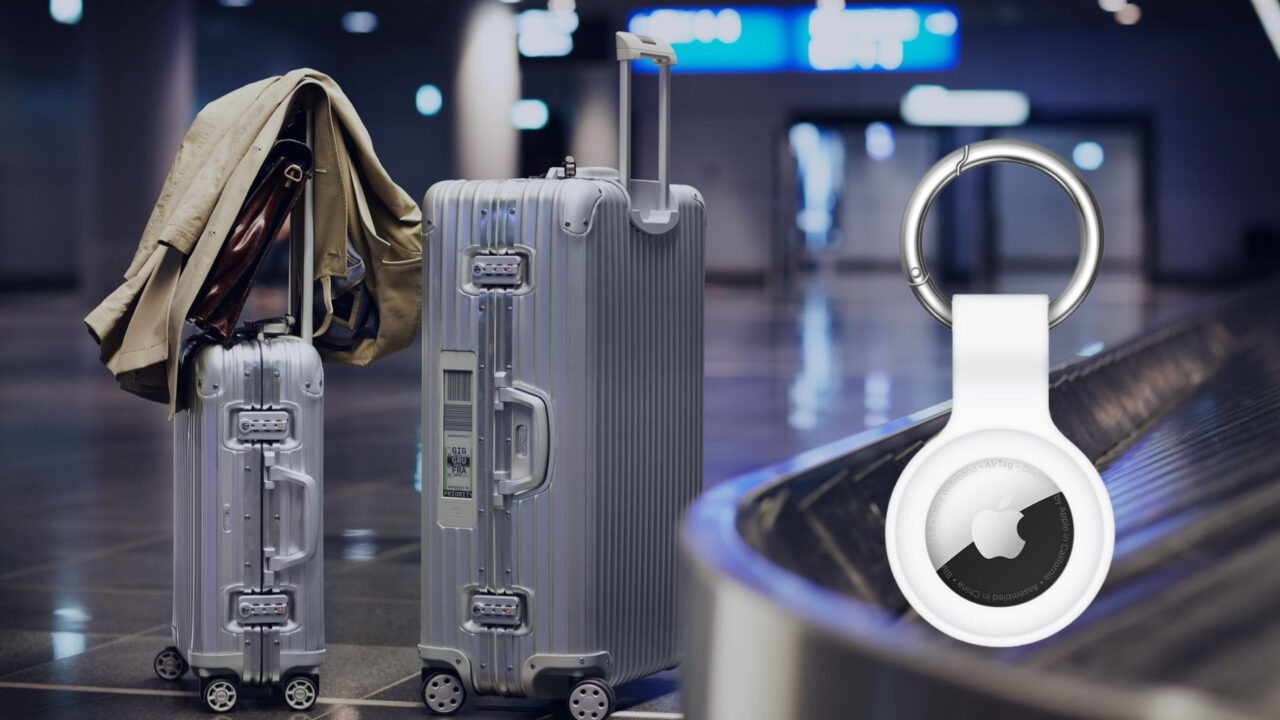
Textile luggage covers are emerging as one of the most popular options, offering protection against scratches and dirt while being washable and reusable over many years. Adjustable luggage straps are another solution, helping to keep suitcases securely closed and reducing the risk of accidental opening during handling.
At the same time, luggage manufacturers are increasingly focusing on durability. Built-in locks, reinforced shells and impact-resistant materials are becoming standard features, reducing the need for any additional external protection.
Some European airports are expected to withdraw plastic wrapping services entirely by the end of 2027, a year ahead of the EU-wide deadline, in order to prepare for the new regulations and adapt passenger services accordingly. The move marks another step in the bloc’s broader push to make air travel more sustainable without compromising safety or efficiency.